The Resilience of Digital Gold: Bitcoin Stands Firm Amid Global Turmoil

The Resilience of Digital Gold: Bitcoin Stands Firm Amid Global Turmoil
By
David Goldfarb
Last updated:
March 23, 2026
First Published:
March 23, 2026


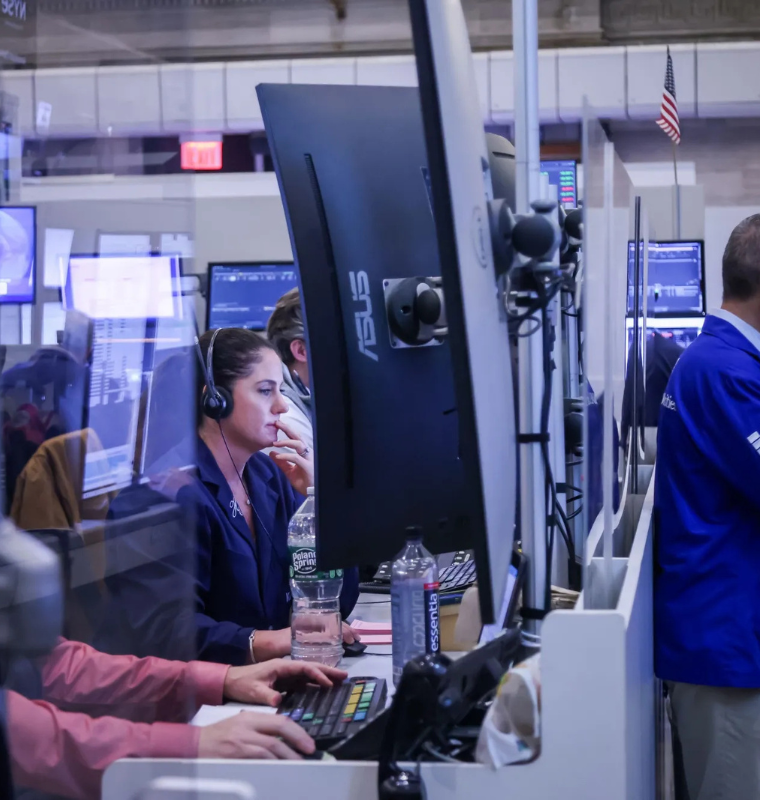
Photo: CryptoRank
As the global financial landscape faces a period of intense pressure, Bitcoin is once again proving its mettle, reinforcing its long-standing narrative as a form of digital gold. On March 23, 2026, the premier cryptocurrency is trading steadily around the $70,000 mark, showing remarkable stability despite a week characterized by significant fluctuations in traditional safe havens. While precious metals like gold have experienced their most volatile swings in decades, Bitcoin has remained largely resilient, successfully reclaiming key support levels and signaling a decoupling from the broader risk off sentiment that usually plagues the sector. This performance marks a turning point where institutional and retail participants are increasingly viewing the asset as a primary anchor during geopolitical uncertainty.
The current market dominance of Bitcoin has climbed to a significant 58.16%, a level that highlights its role as the undisputed leader in the digital asset space. This surge in dominance comes at a time when many alternative coins are struggling to find a clear direction, further solidifying the "Bitcoin Season" thesis for the first quarter of 2026. Analysts point to the fact that Bitcoin is now absorbing geopolitical shocks faster than any other asset class, recovering to higher lows with every successive wave of market turbulence. This structural resilience is not merely a result of speculative fervor but is deeply rooted in the maturation of the market and the entry of substantial institutional capital.
One of the most striking developments of the past few weeks is the way Bitcoin has outperformed traditional safe havens like gold and the S&P 500. Since the end of February, Bitcoin has seen a gain of roughly seven percent, while gold has trended lower and equity markets have shed a portion of their value. For the first time in a major geopolitical crisis, the 24/7 nature of the crypto market has allowed it to reprice events in real time while traditional exchanges remained closed for the weekend. This constant availability provides a liquidity release valve that legacy systems simply cannot match, making it an attractive destination for capital that needs to move quickly.
Institutional participation via spot ETFs has fundamentally changed the DNA of the Bitcoin market. Unlike previous cycles where retail panic would lead to massive selloffs, the current holder base is dominated by long term funds and corporate treasuries that are less prone to emotional trading. Major players like MicroStrategy continue to expand their holdings, with their treasury now accounting for over 3.6% of the circulating supply. This institutional floor creates a level of price stability that was absent in the early days of the industry, allowing Bitcoin to act as a store of value that builds and retains purchasing power across full market cycles.
The macroeconomic backdrop of March 2026 has been particularly challenging, with persistent inflation and a cautious Federal Reserve weighing on traditional investment sentiment. However, Bitcoin has managed to decouple from the US dollar in the short term, with its correlation coefficient near zero. This independence from sovereign credit and permissioned financial infrastructure is precisely what the "digital gold" thesis is built upon. As global wealth continues to pile up faster than the supply of gold can keep pace, the hard cap of twenty one million Bitcoins gives it a distinct mathematical edge over any physical commodity.
Furthermore, the technological progress of the network is enhancing its utility as a global settlement layer. The continued scaling of the Lightning Network has reduced the friction for moving value, making the asset more than just a static store of wealth. This combination of scarcity and utility is drawing a new wave of nation state interest, with discussions of strategic reserves becoming a central theme in global finance. As more countries look for ways to diversify their reserves away from the dollar, a decentralized and neutral asset like Bitcoin becomes a natural candidate for a modern sovereign portfolio.
Despite the positive momentum, some market participants remain cautious, pointing to the extreme fear levels currently present in the broader crypto sentiment index. This lingering trauma from previous market liquidations means that any upward move is met with a wall of skepticism. However, historical data suggests that periods of extreme fear often precede significant market expansions. The fact that Bitcoin is holding its ground while sentiment is so low indicates a strong underlying demand that is simply waiting for a catalyst to push the price toward new all time highs.
The resilience of Bitcoin is also a reflection of its role in a diversifying global economy. As investors move away from a one size fits all approach to portfolio management, digital assets are carving out a unique category that sits between high growth technology and traditional hard assets. This reclassification acknowledges the different risk return profiles and underlying value drivers that Bitcoin offers. By acting as a high volatility dollar risk in some scenarios and an exceptionalism asset in others, Bitcoin provides a versatile tool for the modern sophisticated investor.
Looking ahead, the next major milestone for the network will be the potential for a massive short squeeze as bearish positions begin to crowd the market. Data indicates that billions of dollars in short positions are currently at risk if the price breaks through the $75,000 resistance level. Such a move could catapult Bitcoin into a new phase of price discovery, fueled by the very traders who have been betting against its resilience. This dynamic of professional overcrowding often leads to a pain trade to the upside, which could be the spark that starts the next major rally.
The events of March 2026 are proving that the digital gold narrative is more than just a marketing slogan. It is a reality that is being tested and verified in the crucible of a global crisis. As the boundaries between traditional and decentralized finance continue to dissolve, Bitcoin stands as a beacon of stability and a testament to the power of decentralized innovation. For the community at Cryptoriaverse, the message is clear: the foundation is solid, the institutions are here, and the future of the digital gold thesis has never looked more promising.

Popular articles



Subscribe to unlock premium content
Disney’s Timeless Magic and How the Entertainment Giant Continues to Shape Culture and Innovation

Imran Khan’s Economic Missteps Amid Political Chaos in Pakistan

The Philippines’ Digital Shift How Remittances and BPO Are Fueling Growth

Disney’s Timeless Magic and How the Entertainment Giant Continues to Shape Culture and Innovation
Imran Khan’s Economic Missteps Amid Political Chaos in Pakistan
Disney’s Timeless Magic and How the Entertainment Giant Continues to Shape Culture and Innovation