Spot Bitcoin ETFs Drive Market Shift as BTC Begins Outpacing Federal Reserve Trends

Spot Bitcoin ETFs Drive Market Shift as BTC Begins Outpacing Federal Reserve Trends
By
Augusta Parker
Last updated:
April 5, 2026
First Published:
April 5, 2026


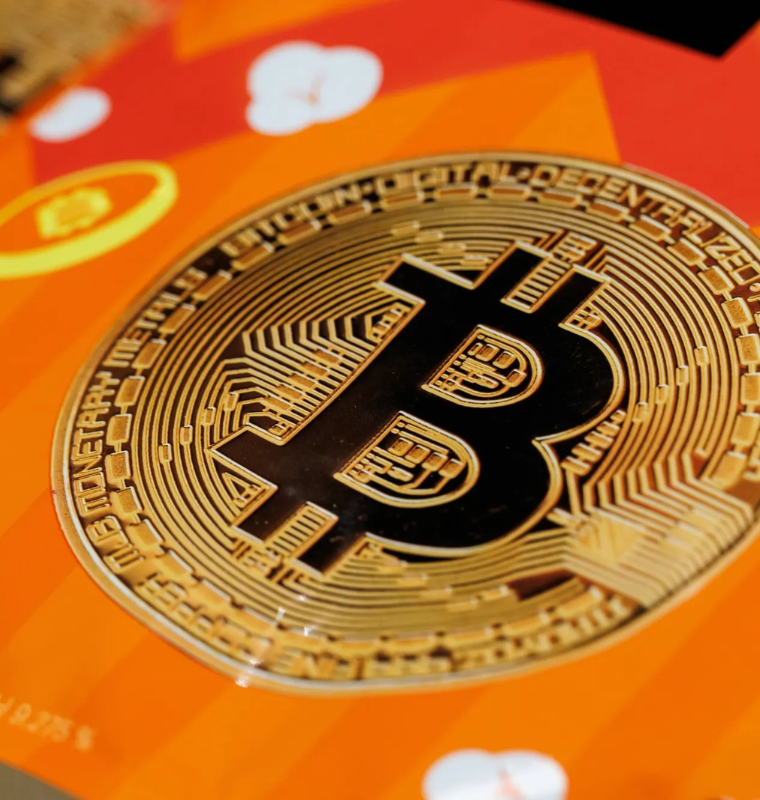
Photo: Decrypt
A significant transformation is unfolding in the cryptocurrency landscape as spot Bitcoin ETFs begin to exert a deeper influence on market dynamics. What was once considered a purely speculative asset driven by retail enthusiasm is now increasingly shaped by institutional capital flows. This shift is altering how Bitcoin responds to traditional macroeconomic indicators, particularly those linked to the Federal Reserve.
For years, Bitcoin’s price movements closely mirrored broader risk assets, reacting sharply to interest rate decisions and inflation data. When the Federal Reserve signaled tighter monetary policy, Bitcoin typically faced downward pressure as investors moved toward safer assets. However, recent patterns suggest that this relationship is beginning to weaken, marking a potential turning point in how the asset behaves.
The emergence of spot Bitcoin ETFs has introduced a new layer of demand that operates differently from conventional crypto trading activity. These financial instruments allow institutional investors to gain exposure to Bitcoin without directly holding the asset. As a result, large volumes of capital can enter the market in a more structured and regulated manner, reducing reliance on retail driven momentum.
This new influx of capital is not only increasing liquidity but also stabilizing price movements over time. Instead of reacting impulsively to macroeconomic headlines, Bitcoin is starting to reflect longer term investment strategies. Institutional players often operate with extended time horizons, focusing on portfolio diversification and strategic allocation rather than short term speculation.
One of the most notable consequences of this shift is Bitcoin’s growing independence from Federal Reserve signals. While traditional markets still respond strongly to policy changes, Bitcoin has shown moments of resilience, maintaining upward momentum even in the face of tightening financial conditions. This divergence suggests that the asset may be evolving into a distinct class with its own internal drivers.
The psychology of the market is also undergoing a transformation. Retail investors who once dominated trading activity are now sharing the stage with institutional participants who bring discipline and scale. This change is influencing market sentiment, making it less reactive and more measured. As a result, sudden price swings driven by panic or hype are becoming less frequent, though volatility still remains a defining feature.
Another key development is the transparency introduced by ETF flows. Analysts can now track inflows and outflows with greater accuracy, providing valuable insight into market direction. When ETFs record consistent inflows, it often signals growing confidence among large investors. Conversely, outflows can indicate caution or profit taking, offering early clues about potential trend reversals.
The broader financial ecosystem is also adapting to this evolution. Traditional asset managers are increasingly integrating Bitcoin into diversified portfolios, treating it as a legitimate component of modern investment strategies. This acceptance is further reinforcing Bitcoin’s position within global finance, bridging the gap between digital assets and conventional markets.
Despite these advancements, challenges remain. Regulatory uncertainty continues to influence how quickly institutional adoption can expand. Additionally, the long term impact of ETF dominance on decentralization is a topic of ongoing debate within the crypto community. Some argue that increased institutional control could alter the foundational principles of the market.
Looking ahead, the trajectory of Bitcoin will likely depend on how these competing forces interact. The balance between institutional influence and decentralized ethos will shape the next phase of growth. If current trends continue, Bitcoin may solidify its role as a hybrid asset that combines elements of both traditional finance and digital innovation.
In this evolving landscape, the influence of spot Bitcoin ETFs represents more than just a new investment vehicle. It marks a structural shift in how the market operates, signaling a future where Bitcoin is no longer defined solely by speculation but by its integration into the broader financial system.

Popular articles



Subscribe to unlock premium content
Disney’s Timeless Magic and How the Entertainment Giant Continues to Shape Culture and Innovation

Imran Khan’s Economic Missteps Amid Political Chaos in Pakistan

The Philippines’ Digital Shift How Remittances and BPO Are Fueling Growth

Disney’s Timeless Magic and How the Entertainment Giant Continues to Shape Culture and Innovation
Imran Khan’s Economic Missteps Amid Political Chaos in Pakistan
Disney’s Timeless Magic and How the Entertainment Giant Continues to Shape Culture and Innovation