South Korean Exchange Prepares for Crypto ETFs Despite Regulatory Standstill

South Korean Exchange Prepares for Crypto ETFs Despite Regulatory Standstill
By
Augusta Parker
Last updated:
January 8, 2026
First Published:
April 25, 2026


Photo: Finance Magnates
A Market Poised for Innovation
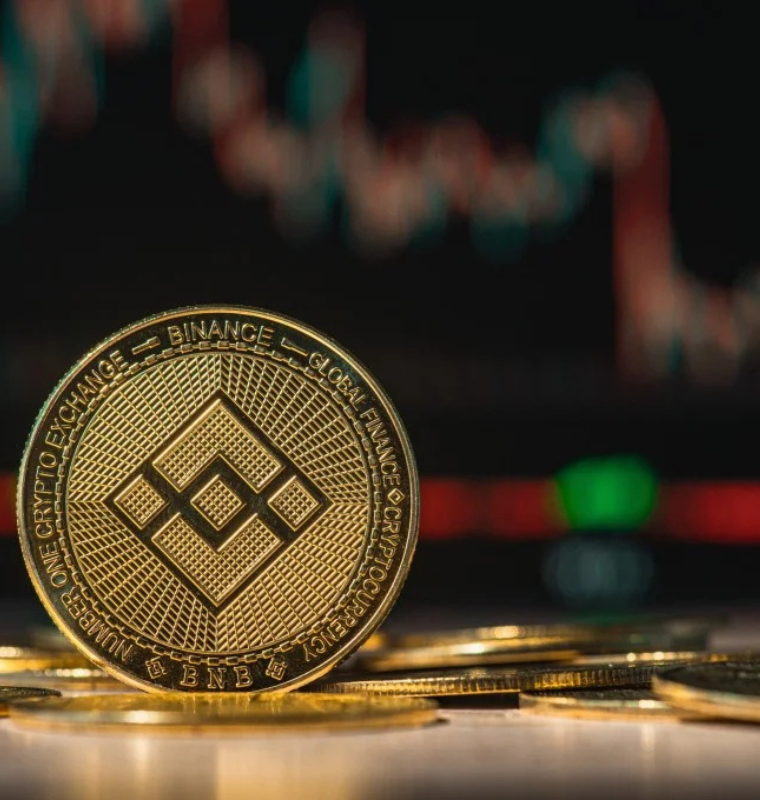
A major South Korean cryptocurrency exchange has announced readiness to launch exchange traded funds focused on digital assets, even as regulatory authorities have yet to finalize the approval framework. The initiative highlights both strong institutional demand and the challenges posed by regulatory uncertainty in one of Asia’s most active crypto markets.
Understanding Crypto ETFs
Exchange traded funds allow investors to gain exposure to a basket of assets without directly holding them. Crypto ETFs in particular provide a regulated vehicle for trading Bitcoin, Ethereum, and other major cryptocurrencies. They appeal to institutional investors seeking portfolio diversification while mitigating the operational risks of direct asset custody.
The Regulatory Standstill
Despite enthusiasm from market participants, South Korean regulators have not yet completed the necessary guidelines for approving crypto ETFs. The delay stems from concerns about market manipulation, investor protection, and liquidity issues. Until these issues are addressed, any official launch remains on hold, creating a cautious yet anticipatory market environment.
Institutional Interest Drives Preparation
The exchange has continued internal preparations by developing custody solutions, risk management systems, and investor reporting tools. These steps position the firm to respond quickly once regulatory approval is granted. Institutional interest has been a significant motivating factor, as investors increasingly demand regulated products that align with compliance requirements.
Implications for Retail Investors
Retail investors may also benefit from the eventual launch of crypto ETFs. These funds offer simplified access to digital assets, reduced counterparty risk, and professional management. While direct trading remains popular, ETFs provide a regulated pathway for broader adoption and can encourage confidence among new market participants.
Market Readiness and Education
To support adoption, exchanges are also focused on investor education regarding the mechanics, risks, and benefits of crypto ETFs. Understanding fund structure, volatility management, and reporting obligations is critical for both institutional and retail participants. This effort contributes to a more informed and resilient market ecosystem.
Potential Competitive Advantage
Exchanges that are fully prepared when regulations are finalized are likely to gain a competitive edge. Early movers can attract significant institutional flows, establish brand credibility, and shape market standards. This positioning also demonstrates South Korea’s growing sophistication in integrating traditional financial products with digital assets.
Global Comparisons
South Korea’s cautious approach contrasts with other markets where crypto ETFs have already launched, including Canada and parts of Europe. Observers are closely monitoring the country to see how balancing investor protection with innovation impacts market growth and regional competitiveness.
Challenges and Risks Ahead
Despite readiness, several risks remain. Regulatory approval timelines are uncertain, market volatility could affect ETF performance, and global macroeconomic factors may influence investor appetite. Exchanges must navigate these challenges carefully to ensure successful product launch and sustained adoption.
Looking Forward
Once approvals are granted, South Korean crypto ETFs are expected to catalyze institutional and retail participation, expand market liquidity, and contribute to the evolution of regulated digital asset investment. This initiative marks a significant step in the country’s journey toward integrating cryptocurrency into mainstream financial products.

Popular articles



Subscribe to unlock premium content
Imran Khan’s Economic Missteps Amid Political Chaos in Pakistan
The Philippines’ Digital Shift How Remittances and BPO Are Fueling Growth

Is the Era of Globalization Over or Just Evolving?
Imran Khan’s Economic Missteps Amid Political Chaos in Pakistan
The Philippines’ Digital Shift How Remittances and BPO Are Fueling Growth
Imran Khan’s Economic Missteps Amid Political Chaos in Pakistan