
SEC Signals New Blockchain Finance Rules as Crypto Market Value Approaches 2.7 Trillion Dollars

SEC Signals New Blockchain Finance Rules as Crypto Market Value Approaches 2.7 Trillion Dollars
By
Augusta Parker
Last updated:
May 11, 2026
First Published:
May 11, 2026

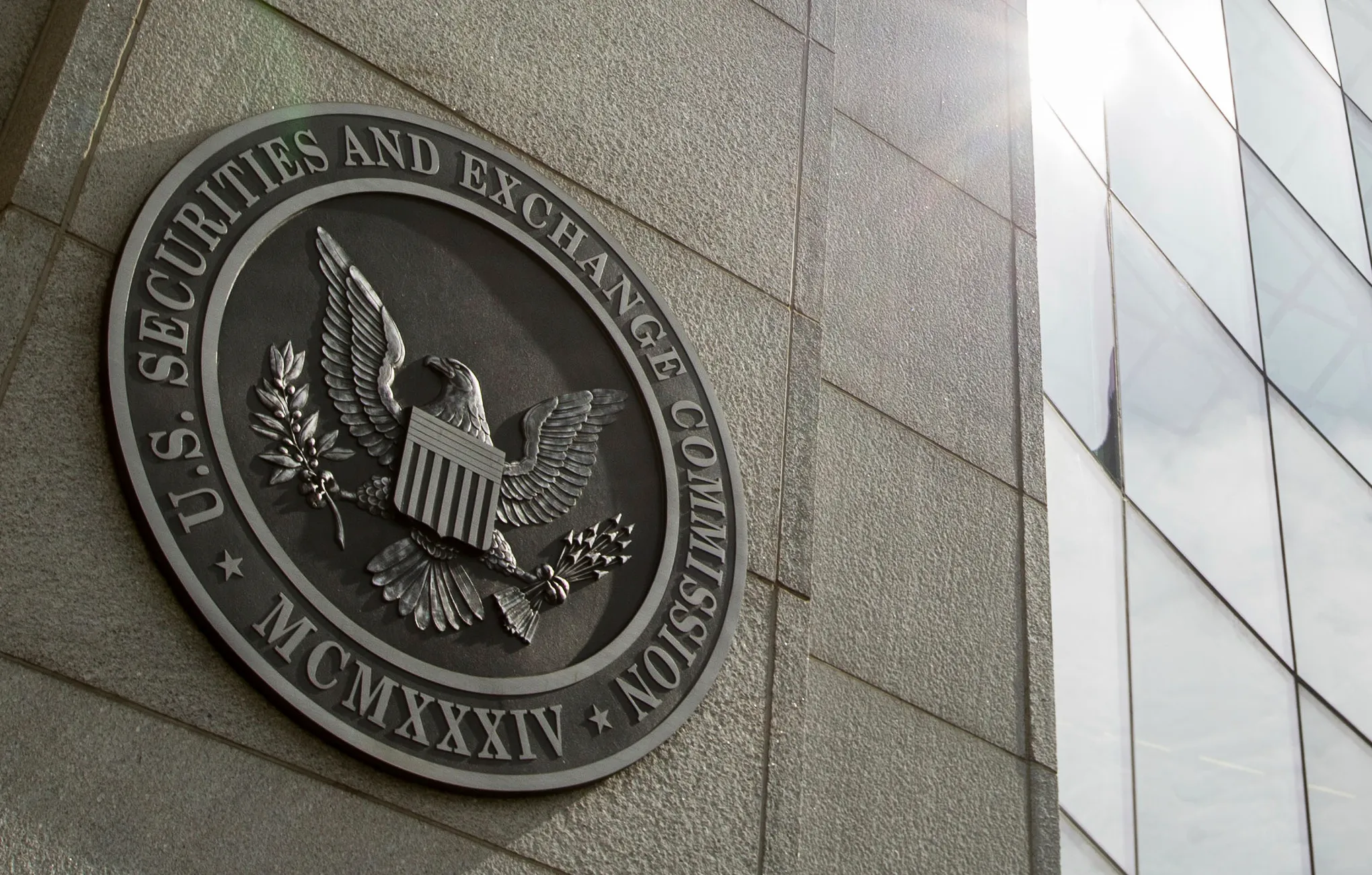
Photo: The Seattle Times
New Regulatory Direction Emerges From US Authorities
The United States Securities and Exchange Commission has recently indicated that it is preparing a new framework for blockchain finance systems. This development has drawn major attention from investors, exchanges, and financial institutions that have been operating in an environment of partial regulatory uncertainty for years. The proposed direction suggests a more structured approach toward digital assets rather than isolated enforcement actions.
Market participants interpret this move as a sign that regulators are beginning to recognize the long term importance of blockchain networks in global finance. Instead of treating crypto assets as purely speculative instruments, the discussion is gradually shifting toward how these technologies can be integrated into existing financial systems under clear compliance rules.
Crypto Market Value Moves Closer to 2.7 Trillion Dollars
At the same time, the total cryptocurrency market value has continued to rise, approaching the 2.7 trillion dollar level. This milestone reflects renewed investor confidence across major digital assets, including Bitcoin, Ethereum, and several large scale blockchain platforms. Increased trading activity and stronger institutional participation have contributed to this expansion.
The growth in total market value also highlights how diversified the crypto ecosystem has become. Beyond simple digital currencies, the industry now includes decentralized finance platforms, tokenized assets, infrastructure protocols, and blockchain powered payment networks. This diversification has helped broaden investor interest and reduce reliance on a single asset category.
Institutional Interest Strengthens Market Stability
One of the most important drivers behind the rising market value is continued institutional involvement. Large financial firms have increased their exposure to blockchain related investments through regulated funds and structured products. This participation has helped stabilize liquidity conditions and reduce extreme volatility during major market movements.
Institutional investors are also pushing for clearer compliance rules, as regulatory certainty is essential for long term capital allocation decisions. The expectation of a more defined regulatory environment from the Securities and Exchange Commission is therefore being welcomed by many large scale market participants.
Blockchain Finance Systems Gain Mainstream Attention
Blockchain finance systems are no longer viewed as experimental technology within niche communities. Banks, payment providers, and asset managers are actively exploring how distributed ledger systems can improve efficiency in settlement, clearing, and cross border transactions.
This shift has been gradual but consistent. Over the past few years, pilot programs and limited deployments have demonstrated that blockchain infrastructure can reduce operational friction in financial processes. As a result, regulators are now under increased pressure to design frameworks that accommodate innovation while maintaining investor protection.
Exchanges Prepare for Compliance Adjustments
Cryptocurrency exchanges are closely monitoring regulatory signals from the Securities and Exchange Commission. Many platforms are already adjusting internal compliance systems in anticipation of stricter reporting requirements and clearer classification standards for digital assets.
Some exchanges are investing heavily in legal infrastructure and monitoring tools to ensure alignment with potential new rules. These preparations reflect the growing expectation that digital asset trading will eventually operate under a more formalized regulatory structure similar to traditional financial markets.
Investor Sentiment Improves With Policy Clarity Expectations
Investor sentiment across the crypto market has improved as expectations of regulatory clarity increase. Uncertainty has historically been one of the biggest challenges for the industry, often leading to sudden price fluctuations and reduced institutional participation during ambiguous policy periods.
With the Securities and Exchange Commission signaling a more structured approach, many investors believe that the market could enter a more predictable phase of development. This perception has contributed to increased capital inflows and stronger demand for major digital assets.
Tokenized Assets Expand Financial Opportunities
Another major trend supporting market growth is the rise of tokenized real world assets. These include digital representations of traditional financial instruments such as bonds, real estate interests, and commodities. Blockchain technology enables fractional ownership and more efficient transfer mechanisms for these assets.
Financial institutions see tokenization as a way to increase liquidity in traditionally illiquid markets. As regulatory frameworks become clearer, the expansion of tokenized asset markets is expected to accelerate further, contributing to overall growth in the digital asset sector.
Global Competition in Blockchain Regulation Intensifies
While the United States considers new regulatory frameworks, other regions are also advancing their own approaches to blockchain governance. Countries in Europe and parts of Asia have already implemented structured digital asset regulations, aiming to attract blockchain companies and investment capital.
This global competition is influencing policy discussions in the United States. Regulators are aware that overly restrictive frameworks could push innovation and investment activity to other jurisdictions. As a result, there is growing emphasis on balancing oversight with innovation support.
Market Infrastructure Continues to Mature
The infrastructure supporting cryptocurrency markets has become significantly more advanced compared to earlier years. Improvements in custody solutions, trading platforms, risk management tools, and institutional grade security systems have helped build confidence among large investors.
These developments are essential for sustaining long term growth. As infrastructure becomes more reliable, it reduces operational risks and encourages participation from traditional financial institutions that require high standards of security and transparency.
Industry Enters a Critical Transition Phase
The combination of regulatory developments and rising market value suggests that the cryptocurrency industry is entering a critical transition phase. The sector is moving from early stage expansion toward structured integration with global financial systems.
If the Securities and Exchange Commission finalizes a clear and balanced framework, it could mark a turning point for digital assets in mainstream finance. Investors, companies, and governments are all closely watching how this regulatory evolution unfolds, as it will likely define the next stage of blockchain driven financial innovation.

Popular articles



Subscribe to unlock premium content
Imran Khan’s Economic Missteps Amid Political Chaos in Pakistan

The Philippines’ Digital Shift How Remittances and BPO Are Fueling Growth

Is the Era of Globalization Over or Just Evolving?
Imran Khan’s Economic Missteps Amid Political Chaos in Pakistan
The Philippines’ Digital Shift How Remittances and BPO Are Fueling Growth
Imran Khan’s Economic Missteps Amid Political Chaos in Pakistan


