Pakistan Opens Doors to Institutional Crypto Participation Through Regulatory Overhaul

Pakistan Opens Doors to Institutional Crypto Participation Through Regulatory Overhaul
By
David Goldfarb
Last updated:
December 31, 2025
First Published:
April 25, 2026

A Landmark Shift in Crypto Policy
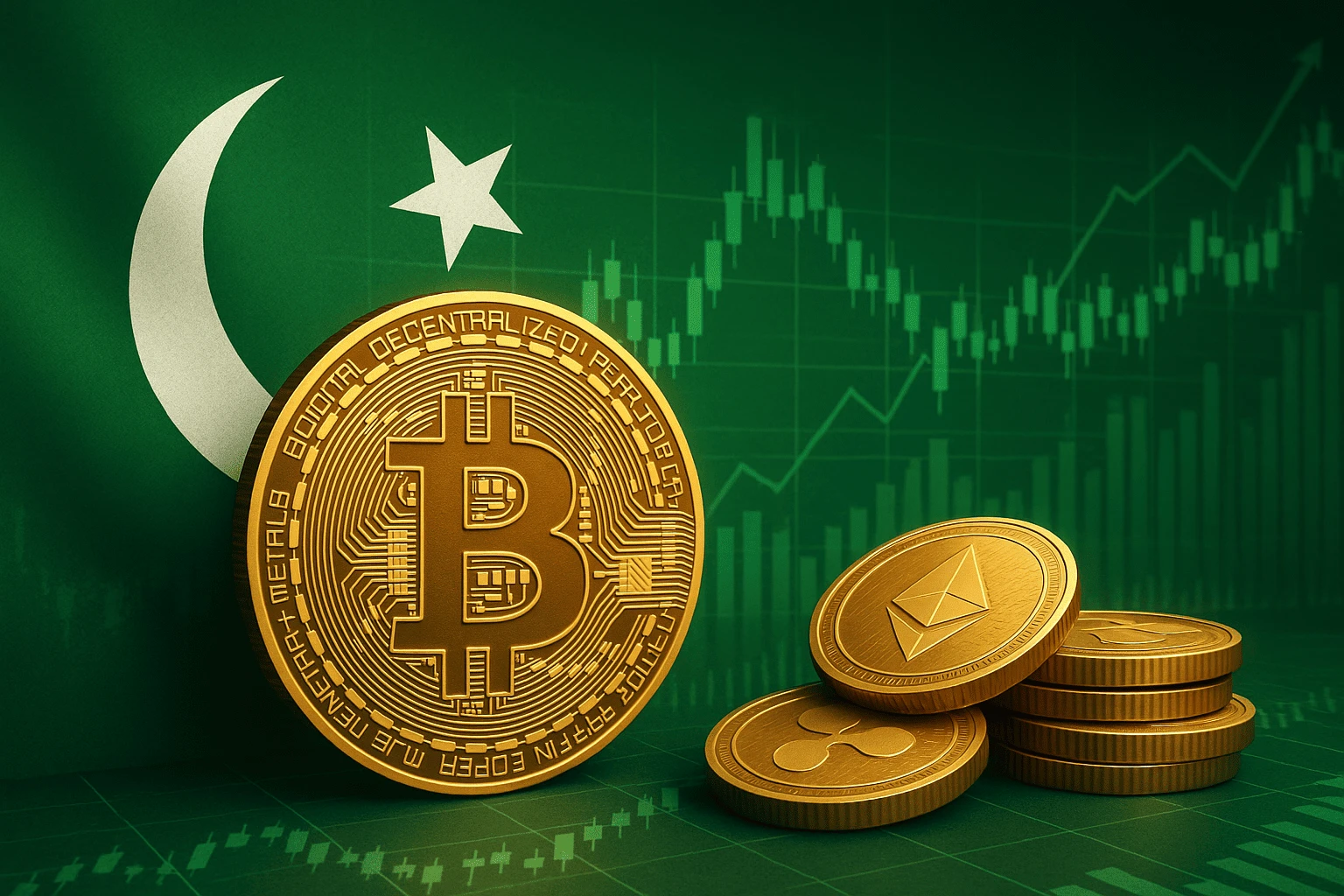
Pakistan has taken significant steps to establish a clear and structured framework for digital assets. The government’s regulatory overhaul is designed to provide clarity for investors, exchanges, and financial institutions. By defining licensing requirements, reporting standards, and operational protocols, the country is signaling that it wants to integrate cryptocurrency into its formal financial system.
Encouraging Institutional Engagement
One of the primary objectives of the regulatory reforms is to enable institutional participation. Previously, uncertainty around legality and compliance limited the ability of banks, investment funds, and large trading firms to enter the market. The new framework provides these institutions with a roadmap for safe and compliant involvement, potentially unlocking significant liquidity and capital inflows.
Licensing and Operational Standards
Under the new regulations, exchanges and digital asset service providers must obtain licenses to operate legally. Compliance involves regular reporting, risk management protocols, and adherence to anti‑money‑laundering measures. These standards aim to create a professional and secure trading environment, fostering trust among participants and reducing systemic risks.
Impact on Market Structure
With regulatory clarity, Pakistan’s crypto market is expected to become more organized. Exchanges can operate with confidence, and participants can transact without fear of sudden legal disruptions. This formalization is likely to attract both domestic and international players, contributing to market depth and maturity.
Investor Confidence and Protection
A key focus of the regulatory overhaul is investor protection. Clear rules around custody, disclosure, and dispute resolution enhance confidence in the market. By reducing uncertainty, the framework encourages longer term participation rather than speculative short term trading, aligning Pakistan’s market with global standards.
Technological and Compliance Implications
Exchanges and service providers will need to adopt advanced technological solutions for reporting, transaction monitoring, and secure custody. This pushes the industry toward greater operational sophistication. Companies that implement strong compliance technology gain competitive advantage and are better positioned to attract institutional clients.
Potential for Economic Growth
The reforms have broader implications beyond the crypto market itself. By creating a regulated environment, Pakistan opens the door to fintech innovation, job creation, and cross border investment. Digital assets can contribute to the formal economy through taxes, fees, and investment opportunities.
Integration With Global Standards
Pakistan’s approach mirrors trends in other emerging markets that seek to balance innovation with oversight. Aligning local regulations with international best practices ensures compatibility with global financial systems and reduces friction for cross border transactions.
Challenges and Considerations
While the regulatory framework is promising, challenges remain. Market participants must navigate compliance costs, technological requirements, and evolving interpretations of law. Ongoing engagement between regulators and industry will be critical to ensure rules remain practical and effective without stifling growth.
A New Chapter for Pakistan’s Crypto Market
The regulatory overhaul positions Pakistan as a potential hub for compliant digital asset activity in the region. By prioritizing transparency, institutional access, and investor protection, the country is laying the groundwork for a mature and sustainable market. The reforms signal a new era where digital assets are not just speculative instruments but integral components of the national financial ecosystem.

Popular articles


Subscribe to unlock premium content
Imran Khan’s Economic Missteps Amid Political Chaos in Pakistan
The Philippines’ Digital Shift How Remittances and BPO Are Fueling Growth

Is the Era of Globalization Over or Just Evolving?
Imran Khan’s Economic Missteps Amid Political Chaos in Pakistan
The Philippines’ Digital Shift How Remittances and BPO Are Fueling Growth
Imran Khan’s Economic Missteps Amid Political Chaos in Pakistan