“NYC Token” Faces Backlash After Sudden Crash Post Launch

“NYC Token” Faces Backlash After Sudden Crash Post Launch
By
David Goldfarb
Last updated:
January 13, 2026
First Published:
April 25, 2026

Getty Images
A Controversial Launch Sparks Concern
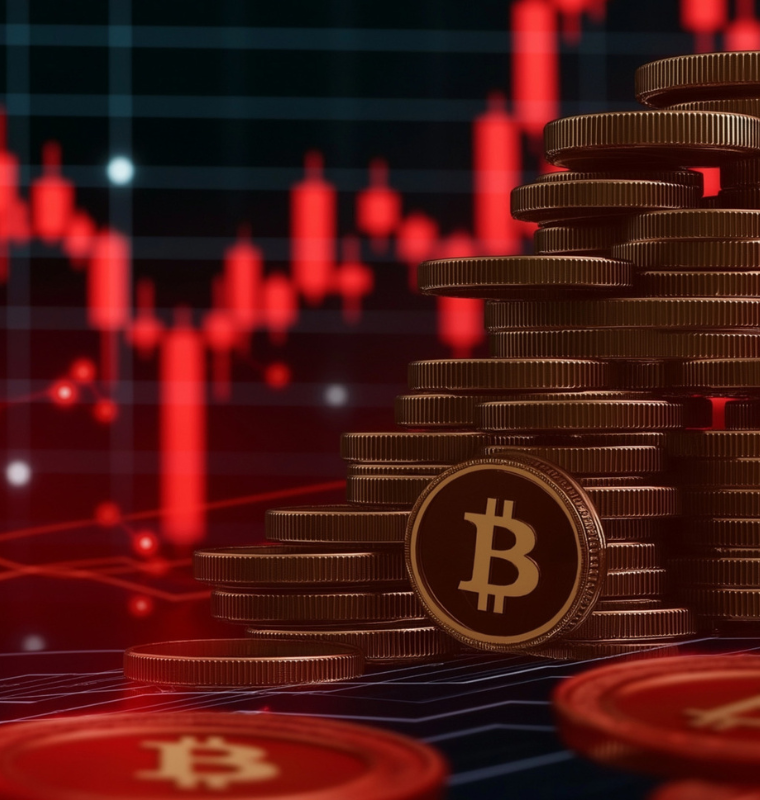
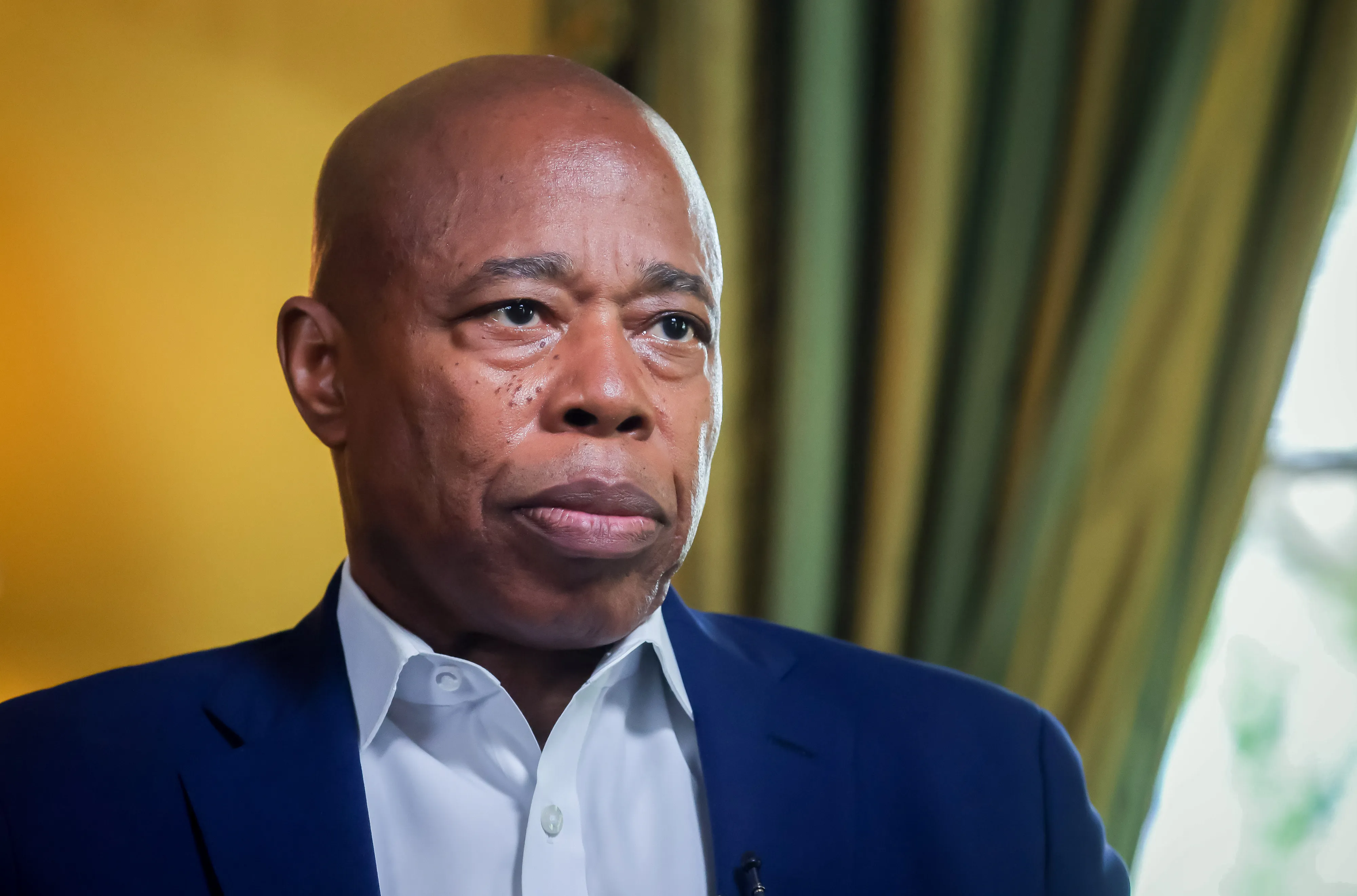
The recent release of the “NYC Token,” a cryptocurrency initiative associated with the former mayor of New York City, ended in controversy as its value plummeted shortly after launch. Investors and the public were taken aback by the rapid decline, raising questions about oversight, transparency, and the risks associated with politically affiliated digital assets.
Understanding the Token’s Purpose
The NYC Token was designed as a city‑branded digital asset intended to facilitate transactions and community engagement within the urban ecosystem. Its creators emphasized its potential for civic utility, such as local rewards programs and microtransactions. Despite these objectives, the token’s collapse has overshadowed its functional goals and drawn widespread scrutiny.
Market Reaction and Investor Sentiment
Within hours of trading, the token experienced extreme volatility, losing a significant portion of its initial value. Investors expressed concern over the lack of clear liquidity mechanisms, insufficient disclosures, and the absence of regulatory clarity. The sudden crash has led to widespread speculation that some market participants may have taken advantage of early price movements.
Allegations of Fraud and Mismanagement
The rapid decline triggered accusations of fraudulent practices. Critics argue that inadequate planning and insufficient safeguards contributed to the token’s failure. While there is no formal confirmation of intentional wrongdoing, the situation highlights the potential dangers of high profile cryptocurrency launches tied to political figures.
Implications for Political and Civic Tokens
The NYC Token incident underscores the risks of associating cryptocurrencies with political initiatives. While civic tokens may offer innovative applications, they also carry reputational and financial risks if not backed by clear regulatory compliance and robust technical infrastructure. The episode could discourage similar municipal experiments in the near term.
Regulatory Scrutiny Intensifies
Following the token crash, regulators have increased attention on political and civic cryptocurrencies. Agencies are examining whether such initiatives comply with securities and consumer protection laws. The incident may lead to stricter oversight and guidance for future city or government‑linked digital assets.
Impact on the Broader Crypto Market
Although the NYC Token is a niche asset, the publicized failure has affected broader market sentiment. Investors are reminded of the importance of due diligence, particularly when engaging with experimental or high profile tokens. The event may slow adoption of similarly branded or politically affiliated digital currencies.
Lessons for Investors
The rapid collapse highlights the importance of assessing project fundamentals, governance, and transparency. Investors are advised to exercise caution with new launches, especially those tied to high profile individuals or untested initiatives. Proper risk assessment remains essential in volatile and emerging markets like crypto.
The Role of Transparency and Communication
Clear communication and transparency from project teams are critical for maintaining trust. The NYC Token example demonstrates how insufficient disclosure and unclear operational mechanisms can quickly erode confidence. Effective investor engagement is necessary to prevent similar outcomes.
Looking Forward: Rebuilding Trust
Recovery from this incident will require careful attention to regulation, project integrity, and user education. The broader lesson for the crypto ecosystem is the need for credible frameworks, oversight, and realistic expectations when launching new digital assets. Future municipal or civic tokens must prioritize security, transparency, and utility to gain lasting acceptance.

Popular articles



Subscribe to unlock premium content
Imran Khan’s Economic Missteps Amid Political Chaos in Pakistan

The Philippines’ Digital Shift How Remittances and BPO Are Fueling Growth

Is the Era of Globalization Over or Just Evolving?
Imran Khan’s Economic Missteps Amid Political Chaos in Pakistan
The Philippines’ Digital Shift How Remittances and BPO Are Fueling Growth
Imran Khan’s Economic Missteps Amid Political Chaos in Pakistan