
North Korea Reports Record Year in Cryptocurrency Theft
By
Leah Rosenfeld
Last updated:
December 21, 2025
First Published:
April 25, 2026

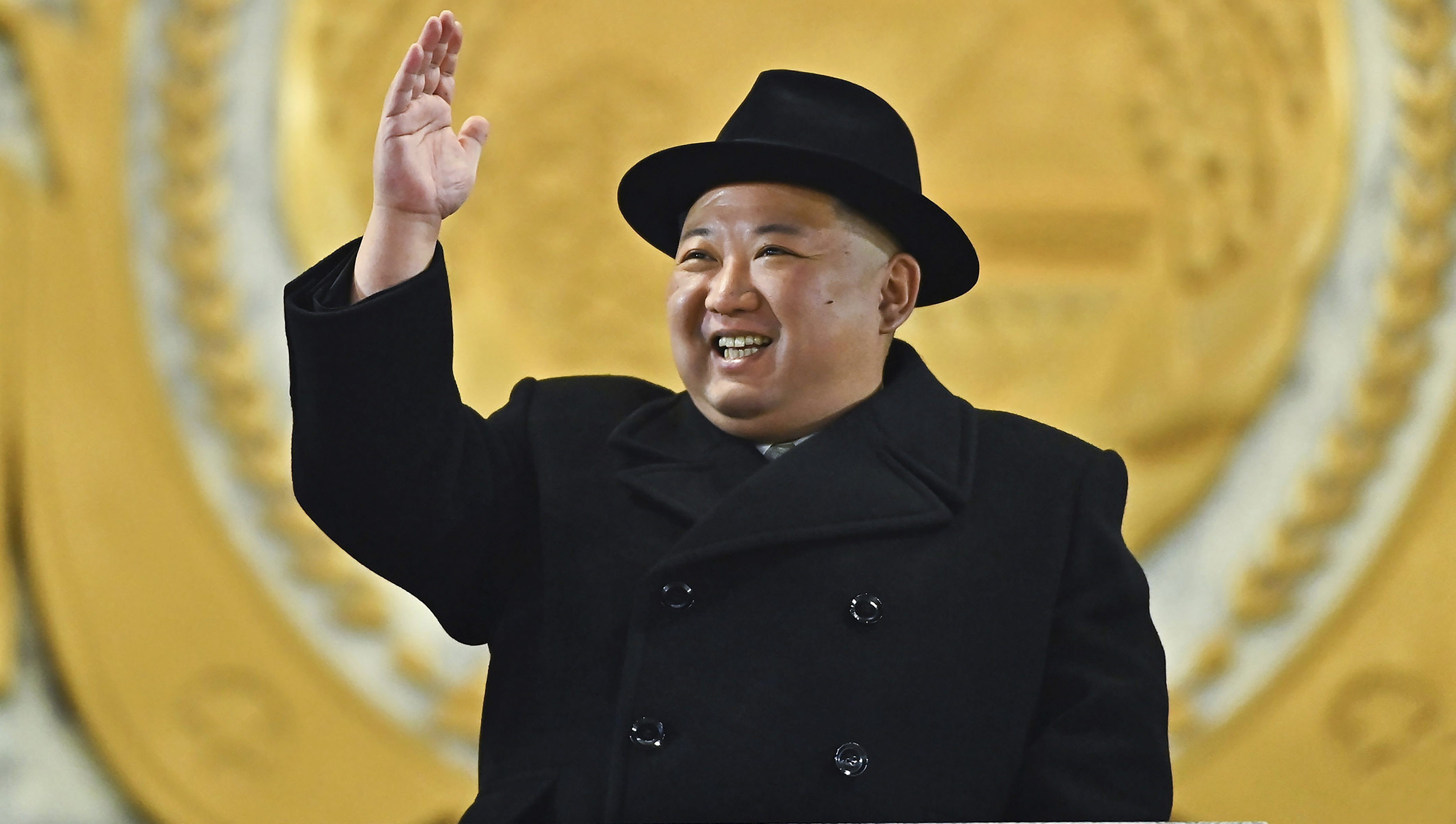
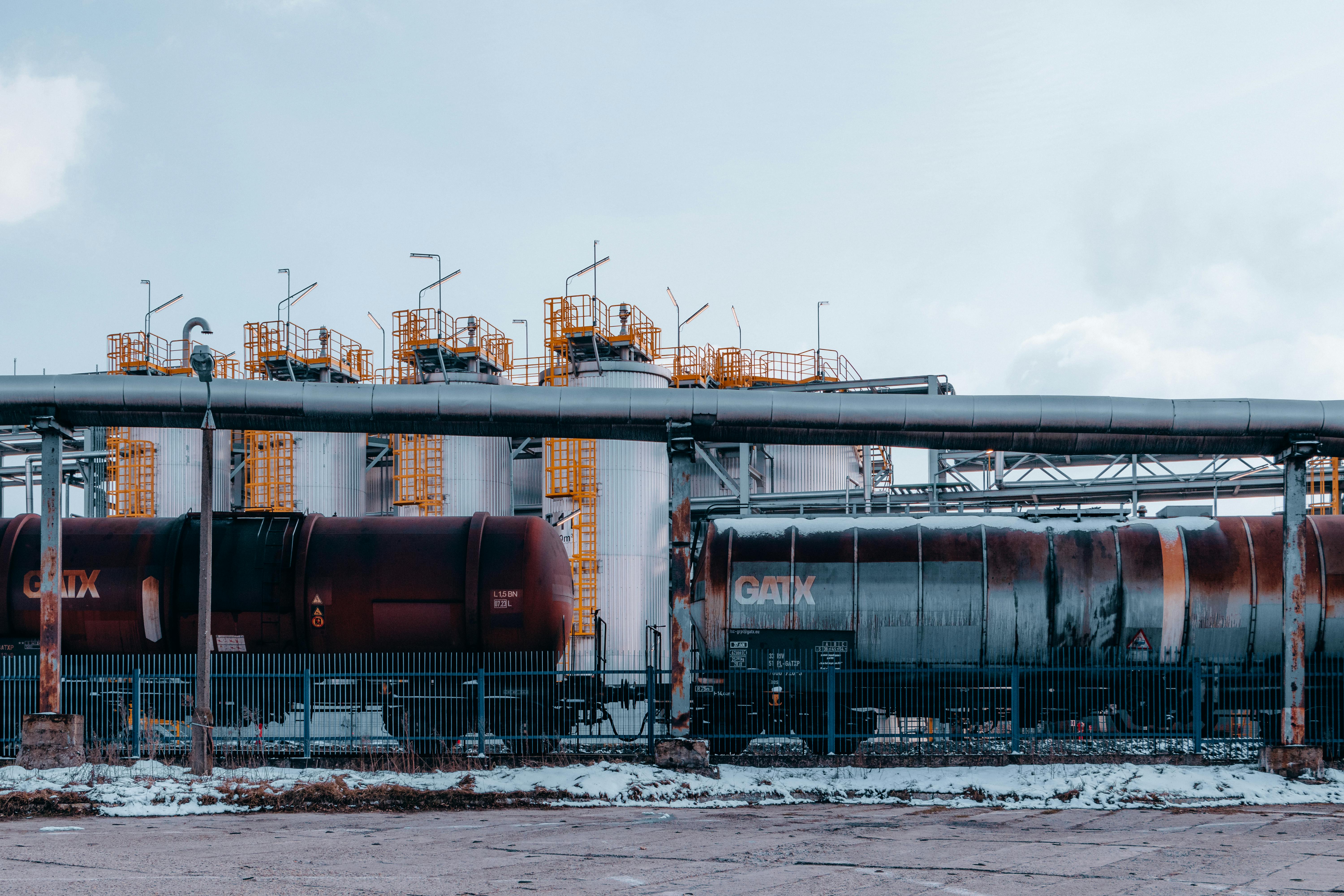
Photo: The Economist
A Surge in Illicit Crypto Activity
North Korea has reportedly experienced its largest year in cryptocurrency theft, highlighting the increasing sophistication of state linked cyber operations. Analysts note that the scale of these activities reflects a blend of technical capability, strategic targeting, and opportunistic exploitation of global crypto markets.
Targeting Exchanges and DeFi Platforms
The majority of illicit gains are believed to come from attacks on centralized exchanges and decentralized finance platforms. Vulnerabilities in smart contracts, security protocols, and operational oversight have provided openings for high value digital asset extractions. These actions demonstrate a calculated approach rather than random opportunism.
Cryptocurrency as a Geopolitical Tool
Digital assets are increasingly serving as instruments in geopolitical strategy. North Korea’s operations are aimed at funding national priorities and circumventing international sanctions. This use of cryptocurrency emphasizes the intersection between finance, technology, and state policy in the modern era.
Technical Sophistication in Hacking Campaigns
Reports indicate that cyber operations involve advanced persistent threats, coordinated malware deployments, and sophisticated social engineering. The ability to target both institutional and retail actors with precision illustrates a high degree of technical maturity in state supported hacking groups.
Global Financial Systems at Risk
These thefts underscore vulnerabilities in the global financial ecosystem. Even highly regulated exchanges are not immune to determined attackers. Market participants are increasingly aware that security, governance, and risk management are critical not only for compliance but also for survival in a high threat environment.
Response and Mitigation Efforts
International cybersecurity organizations and financial authorities are responding by enhancing monitoring, reporting standards, and cross border collaboration. Exchanges are upgrading security infrastructure, employing advanced analytics, and engaging in threat intelligence sharing to mitigate future risks.
Implications for Investor Confidence
The rise in state linked attacks has an impact on market sentiment. While institutional investors continue to view cryptocurrencies as strategic allocations, heightened awareness of cyber threats introduces caution and risk pricing into investment decisions. Confidence is now closely tied to the security posture of digital asset platforms.
Insurance and Custody Innovations
As a response to growing threats, the industry is innovating in digital asset insurance and custodial solutions. Multi layer security approaches, cold storage protocols, and blockchain analytics are increasingly standard for institutional investors seeking to protect capital.
The Role of Governance and Policy
National and international policy frameworks are evolving to address the intersection of cybercrime and digital assets. Coordinated sanctions, monitoring of suspicious activity, and legal enforcement are central to mitigating risk while maintaining the integrity of legitimate cryptocurrency operations.
Looking Ahead
North Korea’s record year in cryptocurrency theft highlights a critical reality: digital assets, while transformative, are also high value targets in global conflicts. The industry must adapt by combining technical innovation, regulatory compliance, and strategic security measures to protect both investors and the broader market ecosystem.
Popular articles


Subscribe to unlock premium content
Imran Khan’s Economic Missteps Amid Political Chaos in Pakistan
The Philippines’ Digital Shift How Remittances and BPO Are Fueling Growth

Is the Era of Globalization Over or Just Evolving?
Imran Khan’s Economic Missteps Amid Political Chaos in Pakistan
The Philippines’ Digital Shift How Remittances and BPO Are Fueling Growth
Imran Khan’s Economic Missteps Amid Political Chaos in Pakistan