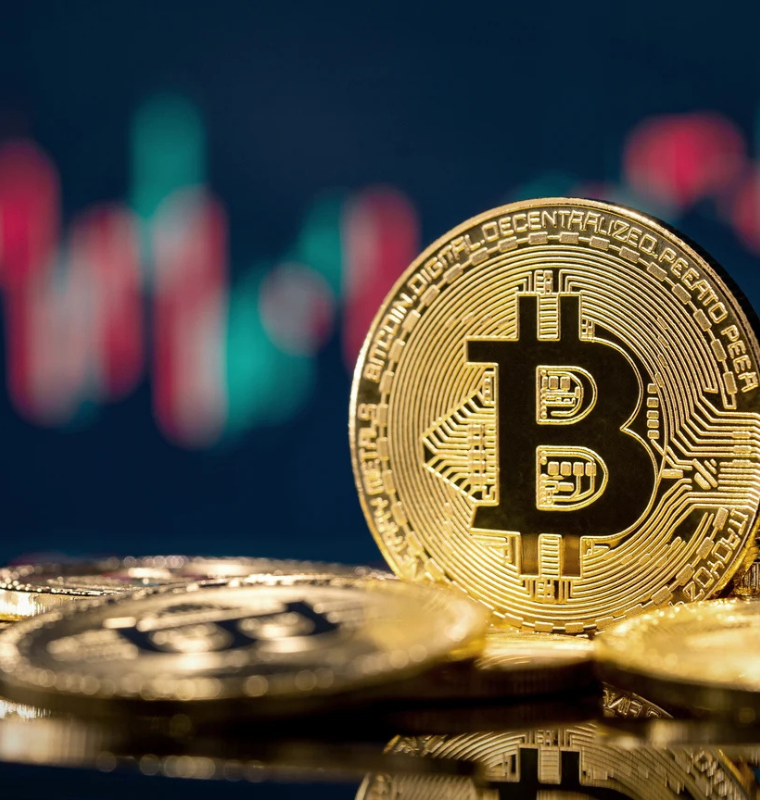
Major Cryptocurrencies Face Volatility Amid Deepening Market Uncertainty

Major Cryptocurrencies Face Volatility Amid Deepening Market Uncertainty
By
David Goldfarb
Last updated:
February 19, 2026
First Published:
February 19, 2026

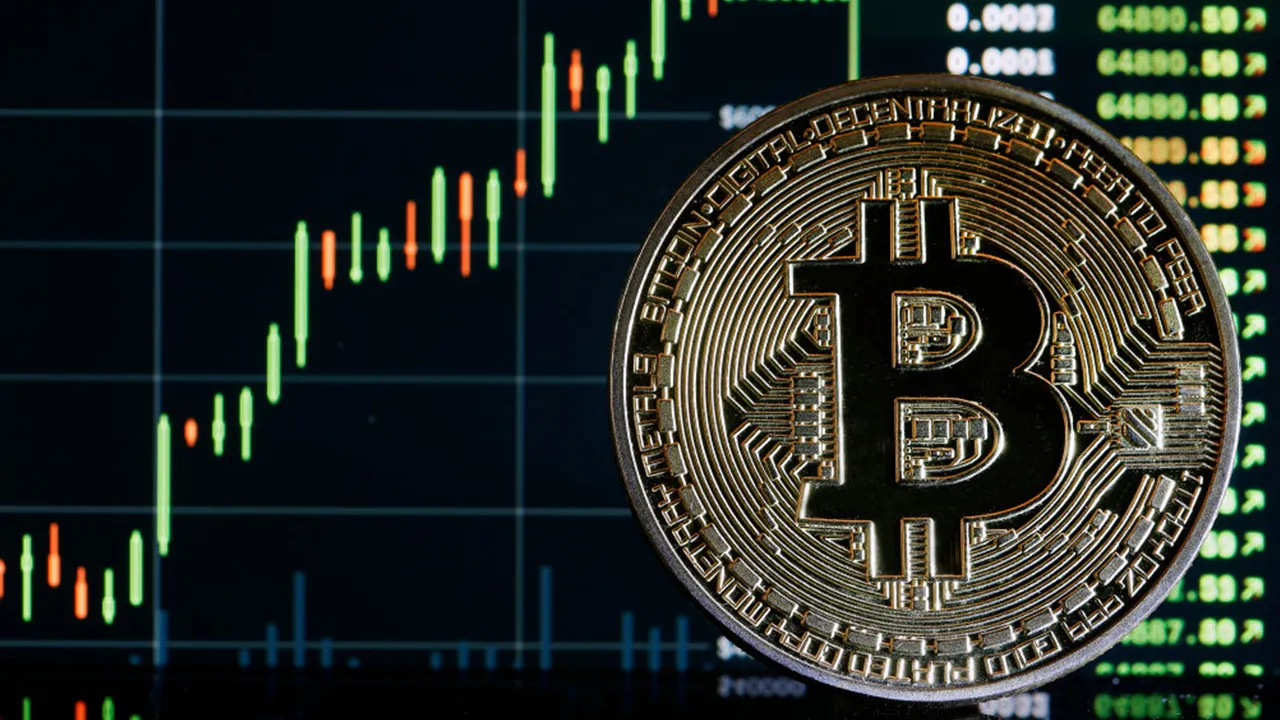
Photo: FOX 9
A Challenging Environment for Digital Assets
Bitcoin, Ethereum, and XRP have all experienced increased volatility, reflecting a broader climate of uncertainty across the cryptocurrency sector. Market participants are closely monitoring macroeconomic signals, regulatory developments, and liquidity dynamics as these factors continue to influence short term price behavior. This period highlights the ongoing maturation of digital assets and the sensitivity of crypto markets to external pressures.
Price Movements and Key Support Levels
Bitcoin recently struggled to maintain critical support around the 60000 mark, while Ethereum and XRP faced similar pressure near significant technical thresholds. These levels are being watched as indicators of market stability or potential further retracement. Traders and investors alike are evaluating order book depth, exchange flows, and long term holder behavior to anticipate potential turning points.
Macroeconomic Drivers of Volatility
Global economic conditions have exerted significant influence on cryptocurrency prices. Shifts in interest rates, currency fluctuations, and risk appetite across traditional markets affect capital allocation into speculative assets. As central banks adjust policy in response to inflation and economic growth metrics, digital assets often react sharply to these macro signals, amplifying volatility.
Institutional Influence on Market Dynamics
Institutional participants now represent a substantial portion of market activity. Hedge funds, asset managers, and corporate treasury strategies incorporate digital assets, creating feedback loops between sentiment and price. In periods of uncertainty, institutional rebalancing can magnify short term swings, while long term accumulation supports potential recovery if market conditions stabilize.
Regulatory Developments and Uncertainty
Regulatory clarity remains a pivotal factor shaping investor confidence. Debates over exchange operations, stablecoin frameworks, and taxation policies contribute to market sensitivity. Uncertainty around enforcement actions or evolving guidelines can trigger defensive positioning among both retail and professional investors, heightening short term volatility.
Liquidity Considerations and Market Resilience
Liquidity across exchanges influences the magnitude of price movements. High inflows can signal selling pressure, whereas sustained outflows indicate long term custody and potential accumulation. Monitoring these metrics provides insights into whether current fluctuations represent temporary dislocations or early signs of structural stress in the market.
Behavioral and Psychological Market Drivers
Investor psychology plays a prominent role during periods of heightened uncertainty. Fear, caution, and speculative optimism intersect to create complex trading dynamics. Sentiment indicators, social media trends, and search volume patterns reveal underlying behavioral shifts that often precede larger market moves.
Correlation Effects Across Crypto Assets
Bitcoin’s performance frequently sets the tone for broader cryptocurrency markets. When BTC experiences pressure, altcoins like Ethereum and XRP often follow with amplified movements. Understanding these correlations helps market participants assess systemic risk and identify opportunities for portfolio adjustments or hedging strategies.
Strategic Implications for Traders and Investors
Traders must navigate increased volatility with disciplined risk management and adaptive strategies. Stop loss mechanisms, position sizing, and diversification remain essential. Long term investors may view this environment as an accumulation opportunity, focusing on adoption metrics, network development, and macro trends rather than short term price swings.
Navigating Uncertainty in 2026
As 2026 unfolds, the cryptocurrency market continues to demonstrate both its resilience and susceptibility to external factors. BTC, ETH, and XRP’s current volatility underscores the need for strategic foresight, informed decision making, and attention to both technical and fundamental signals. While uncertainty persists, periods of turbulence often precede market maturation and long term structural growth.
Popular articles



Subscribe to unlock premium content
Disney’s Timeless Magic and How the Entertainment Giant Continues to Shape Culture and Innovation

Imran Khan’s Economic Missteps Amid Political Chaos in Pakistan

The Philippines’ Digital Shift How Remittances and BPO Are Fueling Growth

Disney’s Timeless Magic and How the Entertainment Giant Continues to Shape Culture and Innovation
Imran Khan’s Economic Missteps Amid Political Chaos in Pakistan
Disney’s Timeless Magic and How the Entertainment Giant Continues to Shape Culture and Innovation