
Major Altcoins Face Market Downturn Amid Heightened Volatility
By
Leah Rosenfeld
Last updated:
February 5, 2026
First Published:
February 5, 2026


Photo: VT Markets
Altcoins Struggle During Market Volatility
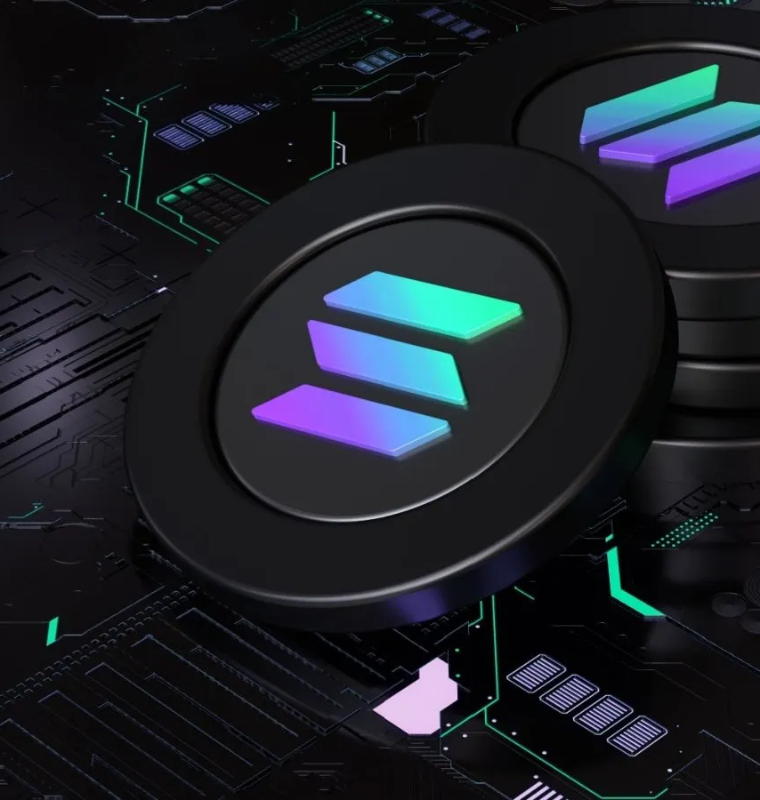
The cryptocurrency market has entered a period of heightened instability, with major alternative coins experiencing notable price declines. Solana, Litecoin, and several other prominent digital assets have faced sharp fluctuations, reflecting growing investor caution amid broader economic uncertainty. This recent downturn underscores the interconnectedness of crypto markets and the influence of global sentiment on asset performance.
Investor Sentiment Shifts Toward Caution
Traders and investors are increasingly adopting a cautious approach as volatility rises. Factors such as regulatory uncertainty, macroeconomic pressures, and global trade tensions have prompted a reevaluation of risk exposure. This shift in sentiment is particularly evident in altcoin markets, where liquidity is often lower and price swings are amplified compared to Bitcoin.
Solana Experiences Steep Decline
Solana, once celebrated for its fast transaction speeds and innovative smart contract ecosystem, has faced a significant drop in value. Market observers attribute this decline to both external macroeconomic conditions and profit taking by early investors. Despite strong network fundamentals, Solana’s price performance reflects the broader trend of risk aversion in cryptocurrency markets.
Litecoin and Other Established Altcoins Also Impacted
Litecoin and several other established altcoins have mirrored Solana’s downward trajectory. Litecoin, traditionally viewed as a “digital silver” complementing Bitcoin, has seen selling pressure as traders seek safer holdings or shift toward more liquid assets. These movements highlight the sensitivity of altcoins to investor psychology and market sentiment shifts.
Interconnected Nature of the Crypto Ecosystem
The performance of major altcoins is closely tied to Bitcoin and overall market trends. As Bitcoin faces periods of uncertainty, altcoins often experience amplified reactions. The decline in these assets demonstrates the chain effect that market sentiment can have across different cryptocurrency segments, emphasizing the systemic nature of price dynamics in digital markets.
Role of Speculation in Price Swings
Speculation continues to play a significant role in altcoin price movements. Rapid buy and sell decisions by traders seeking short term gains exacerbate volatility, particularly during periods of broader market uncertainty. This speculative activity can create sharp corrections even when underlying technology and adoption metrics remain strong.
Liquidity and Market Depth Influence Volatility
Lower liquidity in altcoin markets often leads to larger price swings compared to Bitcoin. During periods of market stress, even moderate sell orders can trigger significant declines, as market depth is unable to absorb the volume efficiently. This structural characteristic contributes to the pronounced fluctuations observed in recent trading sessions.
Impact on Long Term Investor Confidence
While short term volatility can be unsettling, many long term investors view these periods as opportunities for accumulation. Despite temporary declines, fundamental developments in network infrastructure, adoption, and utility continue to support the potential for future growth. Long term confidence, however, remains contingent on macroeconomic stability and market recovery.
Technological Developments and Market Perception
Ongoing improvements in blockchain networks like Solana and Litecoin help sustain market interest even during downturns. Upgrades in speed, scalability, and interoperability reinforce the platforms’ value propositions. Nevertheless, investor perception often reacts faster to market sentiment than to technological progress, creating temporary dislocations in price.
Outlook for Altcoin Market Stability
The altcoin sector is likely to remain sensitive to macroeconomic and market developments in the near term. Traders should anticipate continued volatility while monitoring broader market trends and regulatory news. Over time, sustained adoption and network improvements may stabilize these assets and attract renewed investor confidence.
Popular articles



Subscribe to unlock premium content
Disney’s Timeless Magic and How the Entertainment Giant Continues to Shape Culture and Innovation

Imran Khan’s Economic Missteps Amid Political Chaos in Pakistan

The Philippines’ Digital Shift How Remittances and BPO Are Fueling Growth

Disney’s Timeless Magic and How the Entertainment Giant Continues to Shape Culture and Innovation
Imran Khan’s Economic Missteps Amid Political Chaos in Pakistan
Disney’s Timeless Magic and How the Entertainment Giant Continues to Shape Culture and Innovation