

India Tightens Cryptocurrency Compliance Standards
By
Leah Rosenfeld
Last updated:
January 14, 2026
First Published:
April 25, 2026

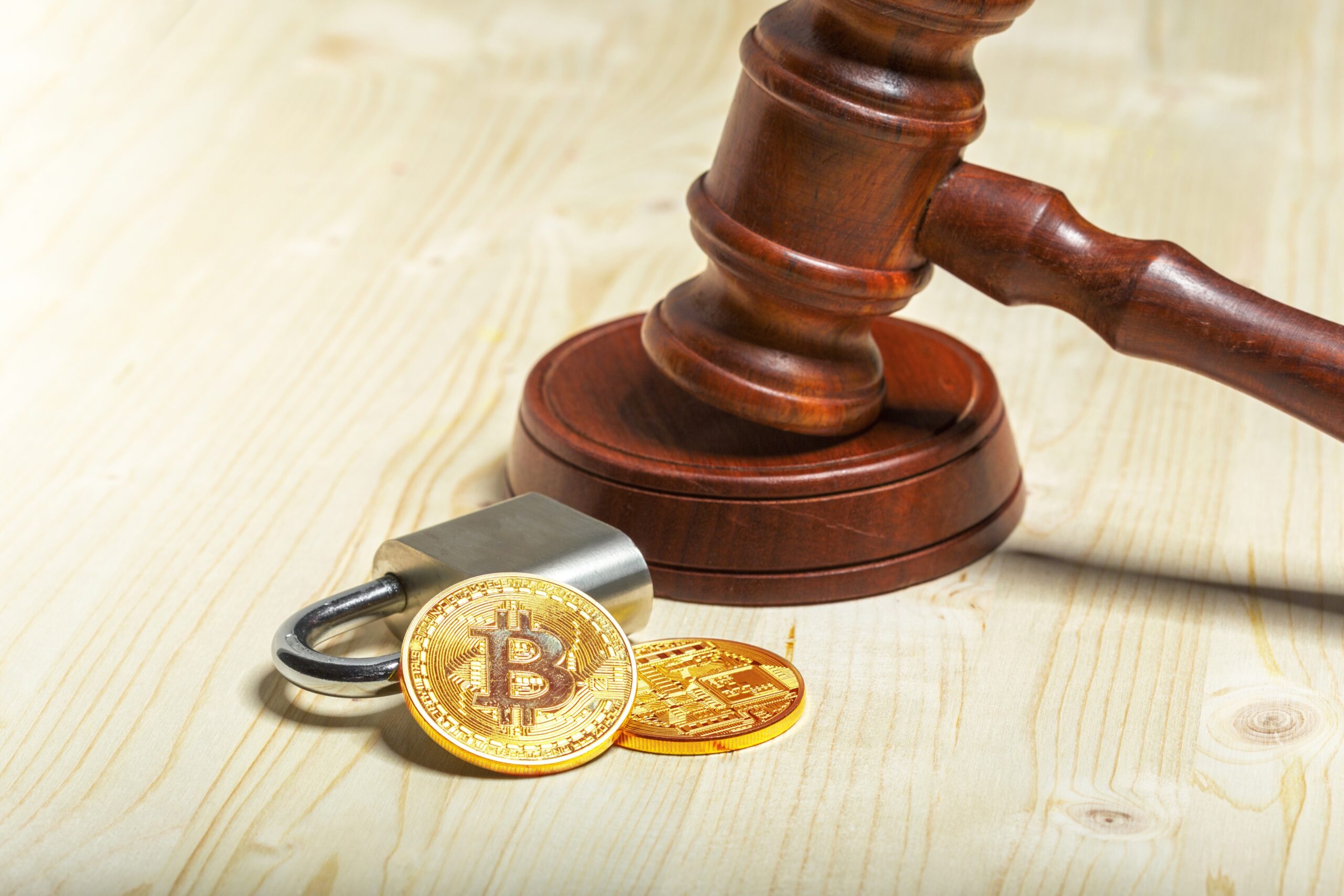
Photo: 99Bitcoins
India has taken a significant step toward strengthening oversight of the cryptocurrency sector by introducing stricter know your customer requirements. This move reflects the government’s intent to bring digital asset activities closer to traditional financial compliance standards. The decision has wide ranging implications for exchanges users and the broader crypto ecosystem.
Background of Crypto Regulation in India
For several years India’s approach to cryptocurrency regulation has evolved through taxation rules reporting obligations and anti money laundering directives. While crypto trading was never fully banned regulatory uncertainty persisted. The latest KYC measures indicate a transition from ambiguity to structured supervision.
Key Features of the New KYC Requirements
Under the updated framework crypto platforms are now required to implement enhanced identity verification processes. These include real time user verification and location based validation. Authorities aim to ensure that every transaction can be traced to a verified individual or entity.
Rationale Behind Stricter Verification
The primary motivation behind these measures is to curb illicit financial activity. Regulators are concerned about money laundering tax evasion and unauthorized cross border transfers. Enhanced KYC is seen as a necessary tool to align crypto activity with national financial security objectives.
Impact on Crypto Exchanges Operating in India
Exchanges must now invest heavily in compliance infrastructure and operational upgrades. While large platforms may adapt more easily smaller players could face increased costs. This may lead to industry consolidation as only well resourced firms manage to meet regulatory expectations.
User Experience and Privacy Considerations
From a user perspective stricter KYC may introduce additional onboarding steps. Some users have raised concerns about data privacy and security. Regulators and exchanges will need to ensure that sensitive information is protected to maintain public trust.
Effect on Trading Volumes and Market Activity
Historically tighter compliance requirements often lead to short term declines in trading volumes. Casual or speculative users may exit the market while long term participants remain. Over time a more compliant user base could result in a healthier and more stable market environment.
Alignment with Global Compliance Trends
India’s move mirrors a broader global trend toward stricter crypto oversight. Many countries are integrating digital assets into existing financial surveillance systems. This alignment may facilitate international cooperation and reduce regulatory arbitrage.
Opportunities for Institutional Adoption
Clear compliance standards can make the market more attractive to institutional investors. Banks asset managers and fintech firms often require strong regulatory frameworks before entering a market. Enhanced KYC could therefore support more formal participation in India’s crypto sector.
Challenges for Innovation and Startups
While regulation provides stability it can also create barriers for startups. Young companies may struggle with compliance costs and procedural complexity. Policymakers face the challenge of supporting innovation while enforcing necessary safeguards.
Long Term Implications for the Indian Crypto Ecosystem
In the long run stricter KYC requirements may contribute to a more transparent and resilient crypto market. Although growth may slow initially increased legitimacy could support sustainable expansion. India appears to be positioning crypto as a regulated financial activity rather than an informal alternative.
Conclusion on Regulatory Direction
India’s enhanced KYC framework represents a clear signal of regulatory intent. The government is prioritizing accountability and transparency over rapid expansion. How effectively this balance is managed will shape the future of cryptocurrency adoption in the country.

Popular articles



Subscribe to unlock premium content
Imran Khan’s Economic Missteps Amid Political Chaos in Pakistan
The Philippines’ Digital Shift How Remittances and BPO Are Fueling Growth

Is the Era of Globalization Over or Just Evolving?

Imran Khan’s Economic Missteps Amid Political Chaos in Pakistan
The Philippines’ Digital Shift How Remittances and BPO Are Fueling Growth
Imran Khan’s Economic Missteps Amid Political Chaos in Pakistan