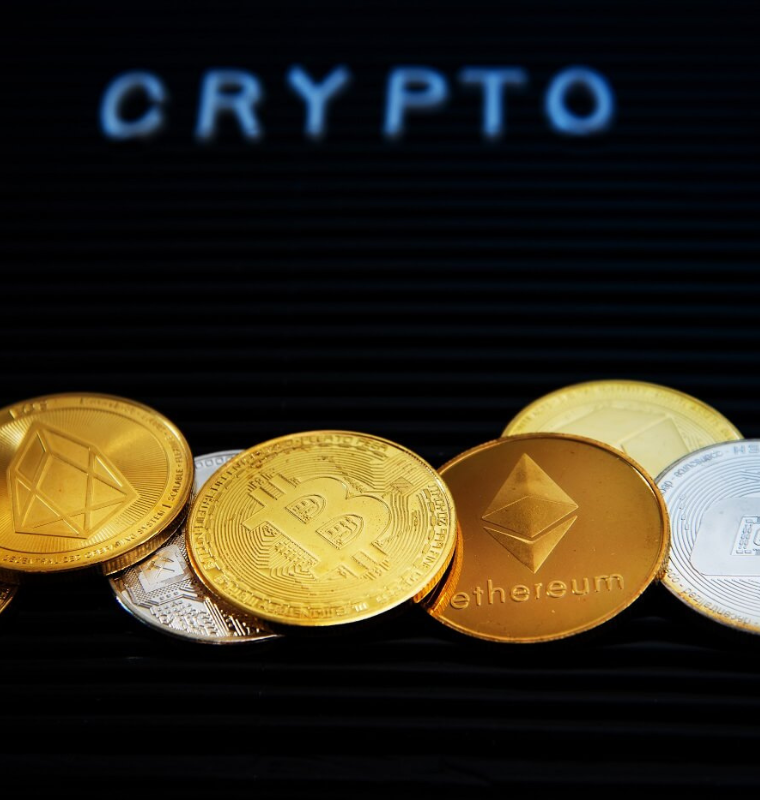
Global Stablecoin Regulations Enter a New Phase as Governments Intensify Oversight

Global Stablecoin Regulations Enter a New Phase as Governments Intensify Oversight
By
Alina Sinclair
Last updated:
June 8, 2026
First Published:
June 8, 2026


Photo: A-Team Insight
The stablecoin sector has become one of the most closely watched areas of the cryptocurrency industry as governments and financial regulators accelerate efforts to establish comprehensive regulatory frameworks. What began as a niche innovation designed to provide price stability within cryptocurrency markets has evolved into a rapidly growing segment of global finance that now attracts attention from central banks, lawmakers, financial institutions, and multinational corporations.
As stablecoins continue expanding beyond cryptocurrency trading into payments, remittances, settlements, and digital commerce, regulators are increasingly focused on ensuring that these assets operate within clear legal and financial standards. Recent discussions among policymakers in major economies demonstrate that stablecoin regulation is no longer viewed as a future issue. It has become an immediate priority for governments seeking to balance innovation with financial stability.
The growing emphasis on oversight reflects the increasing importance of stablecoins within the broader financial system and highlights how blockchain technology is becoming integrated into mainstream economic activity.
Why Stablecoins Have Captured Regulatory Attention
Stablecoins occupy a unique position within the digital asset ecosystem. Unlike traditional cryptocurrencies that experience significant price fluctuations, stablecoins are generally designed to maintain a consistent value by linking themselves to established currencies such as the United States dollar or other fiat assets.
This stability makes them attractive for practical financial applications. Businesses can use them for payments. Individuals can transfer value internationally. Financial institutions can explore settlement solutions built on blockchain technology.
Because stablecoins increasingly resemble financial products used in everyday economic activity, regulators believe they require a level of oversight similar to that applied to traditional financial services.
As adoption expands, ensuring trust and reliability has become a central objective for policymakers worldwide.
The Evolution of Regulatory Thinking
In the early years of cryptocurrency development, regulatory discussions often focused primarily on Bitcoin and speculative digital assets. Stablecoins occupied a relatively small portion of the market and attracted limited attention from lawmakers.
That situation has changed dramatically.
Today, stablecoins process billions of dollars in transactions and serve as essential infrastructure across large sections of the digital asset economy. Their growing influence has encouraged governments to develop more sophisticated approaches toward regulation.
Rather than attempting to restrict innovation, many regulators are now seeking frameworks that establish clear operating standards while allowing responsible growth.
This shift represents a significant evolution in how policymakers view blockchain based financial technologies.
Reserve Backing Remains a Central Issue
One of the most important regulatory concerns involves reserve management. Stablecoins derive much of their value from the assets that support them. Users must trust that issuers possess sufficient reserves to honor redemption requests and maintain stability.
As a result, regulators are increasingly focused on transparency requirements related to reserve holdings.
Policymakers want stablecoin issuers to provide clear information regarding the assets backing their digital currencies. Regular disclosures, independent verification, and reporting standards are becoming key elements of emerging regulatory frameworks.
These measures are designed to strengthen confidence among users while reducing uncertainty surrounding reserve management practices.
Redemption Rights Gain Importance
Another major area of regulatory focus involves redemption rights. Stablecoin holders generally expect to exchange their digital assets for the underlying currency whenever necessary.
Regulators are working to ensure that these expectations are supported by clear legal protections and operational procedures.
By establishing rules governing redemption processes, policymakers aim to enhance consumer confidence and reduce potential risks during periods of market stress.
Reliable redemption mechanisms are considered essential for maintaining trust in stablecoin systems and supporting their long term adoption.
As regulatory frameworks develop, redemption standards are expected to remain a central component of oversight efforts.
Financial Stability Concerns Drive Policy Discussions
The increasing scale of stablecoin activity has raised questions about broader financial stability. While stablecoins offer numerous advantages, regulators are evaluating how widespread adoption could affect traditional banking systems and payment networks.
Policymakers want to understand how large scale stablecoin usage might influence liquidity, capital flows, and financial market dynamics.
These discussions do not necessarily imply opposition to stablecoins. Instead, they reflect the responsibility regulators have to assess potential systemic risks before technologies become deeply integrated into national economies.
Understanding these implications is helping shape regulatory approaches across multiple jurisdictions.
Banks and Financial Institutions Support Clear Rules
Many financial institutions have welcomed the push for clearer stablecoin regulations. Banks, payment companies, and asset managers often prefer operating within environments that provide legal certainty and predictable compliance requirements.
Unclear regulations can create hesitation among organizations considering blockchain related initiatives.
By establishing defined standards, governments can encourage broader participation while ensuring that market participants understand their responsibilities.
This regulatory clarity may ultimately accelerate institutional adoption by reducing uncertainty and improving confidence throughout the industry.
For many organizations, clear rules are viewed as a catalyst for innovation rather than an obstacle.
International Coordination Becomes Increasingly Important
Stablecoins operate across borders, making international cooperation an important aspect of effective regulation. A transaction initiated in one country may involve users, institutions, and infrastructure located across multiple jurisdictions.
As a result, regulators are increasingly engaging in global discussions aimed at promoting consistency and interoperability.
While individual countries maintain their own legal frameworks, many policymakers recognize the benefits of coordinating key standards related to transparency, reserves, compliance, and consumer protection.
Greater international alignment could reduce regulatory fragmentation and support more efficient global adoption of stablecoin technologies.
Industry Participants Adapt to the New Environment
Stablecoin issuers and blockchain companies are actively preparing for a future characterized by increased oversight. Many organizations are investing in compliance systems, reporting capabilities, governance structures, and risk management frameworks.
This preparation reflects a growing understanding that regulatory engagement is becoming a permanent feature of the digital asset industry.
Companies that successfully adapt to evolving requirements may gain competitive advantages as institutional adoption continues expanding.
The ability to demonstrate transparency, accountability, and operational reliability is becoming increasingly valuable within a maturing market.
As regulations become more defined, compliance may emerge as a significant differentiator among industry participants.
Opportunities Created by Regulatory Clarity
Although regulatory discussions are sometimes portrayed as challenges, many observers see substantial opportunities emerging from clearer oversight.
Well designed regulations can strengthen trust, attract institutional investment, encourage innovation, and improve consumer confidence. They can also create a more stable environment for businesses seeking to develop blockchain based financial services.
By reducing uncertainty, policymakers may help accelerate the integration of stablecoins into mainstream economic activity.
This process could unlock new opportunities across payments, commerce, remittances, digital banking, and tokenized financial markets.
For the industry, effective regulation may ultimately support sustainable long term growth.
The Future of Stablecoins in a Regulated World
The stablecoin sector is entering a pivotal stage in its development. Governments and financial authorities are moving beyond theoretical discussions and toward practical frameworks designed to govern one of the most important innovations in modern finance.
As oversight increases, stablecoins are likely to become more deeply integrated into the financial system rather than pushed to its margins. Clear rules surrounding reserves, redemption rights, compliance, and consumer protections can provide the foundation necessary for broader adoption.
The transition will require cooperation among regulators, financial institutions, technology companies, and blockchain developers. However, the direction of travel is becoming increasingly apparent.
Stablecoins are evolving from experimental digital assets into regulated financial infrastructure capable of supporting a new generation of global payments and digital commerce.
Regulation Becomes a Defining Chapter for Stablecoin Growth
The growing focus on stablecoin regulation marks a significant milestone in the evolution of the cryptocurrency industry. What was once viewed primarily as a technology experiment is now being treated as an important component of the future financial landscape.
Governments around the world are working to establish frameworks that encourage innovation while protecting consumers and preserving financial stability. As these efforts continue, stablecoins may emerge stronger, more trusted, and more widely adopted than ever before.
For investors, businesses, and policymakers, the coming years will likely determine how stablecoins fit into the global economy. One thing is becoming increasingly clear: regulation is no longer a question of if but how, and its impact will shape the future of blockchain based finance for years to come.

Popular articles



Subscribe to unlock premium content
Imran Khan’s Economic Missteps Amid Political Chaos in Pakistan

The Philippines’ Digital Shift How Remittances and BPO Are Fueling Growth

Is the Era of Globalization Over or Just Evolving?
Imran Khan’s Economic Missteps Amid Political Chaos in Pakistan
The Philippines’ Digital Shift How Remittances and BPO Are Fueling Growth
Imran Khan’s Economic Missteps Amid Political Chaos in Pakistan