Ghana Legalises Cryptocurrency Trading
By
Alina Sinclair
Last updated:
December 23, 2025
First Published:
April 25, 2026

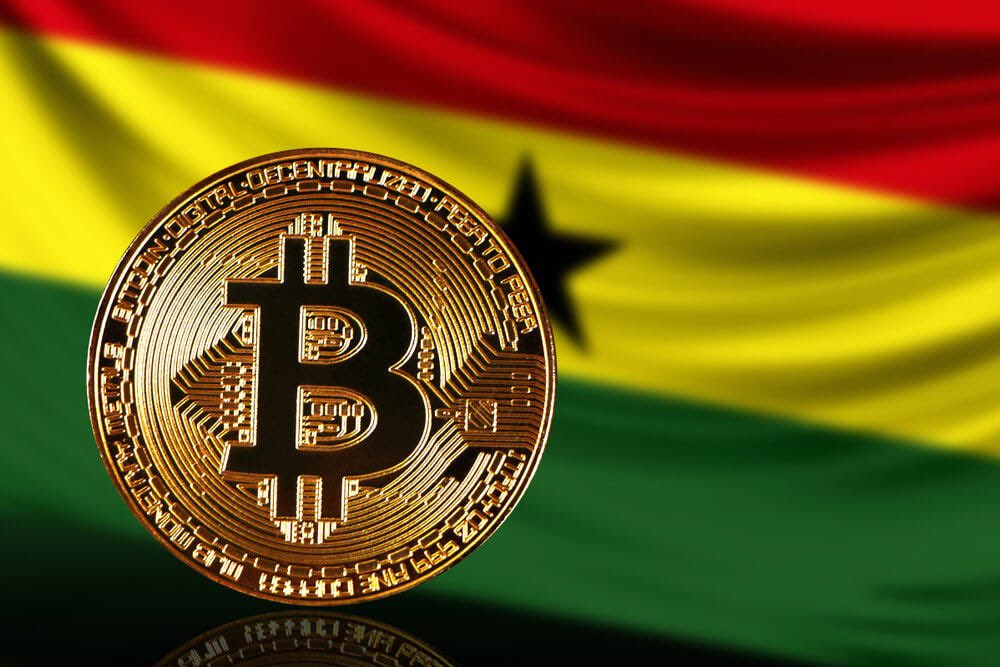
Photo: Our Crypto Talk
Introduction to a Landmark Decision
Ghana has taken a decisive step by formally legalising cryptocurrency trading, placing itself among a small but growing group of African nations that have chosen regulation over restriction. This decision reflects a broader recognition that digital assets are no longer a fringe phenomenon but an active part of modern financial participation for millions of citizens.
Context Behind the Policy Shift
For several years crypto usage in Ghana expanded rapidly through peer to peer platforms and informal channels. While adoption increased, the absence of clear rules created uncertainty for users businesses and regulators. The new legal framework is a response to this gap and aims to bring structure to an already active market rather than suppress it.
Role of the Central Bank and Lawmakers
The framework empowers the central bank to supervise virtual asset service providers while parliament defines the legal boundaries of crypto related activities. This shared oversight model ensures that innovation does not operate in isolation from national financial stability objectives. It also gives regulators tools to monitor risk without stifling growth.
What the Framework Covers
The law focuses on licensing exchanges custodians wallet providers and payment intermediaries. Compliance requirements emphasize transparency capital adequacy and consumer protection. By clearly defining who can operate and under what conditions the policy reduces ambiguity for both local startups and international firms considering entry into the Ghanaian market.
Impact on Retail Users and Investors
For everyday users legalisation provides reassurance that participating in crypto markets is no longer a legal gray area. Investors gain clearer protections against fraud and mismanagement while education and disclosure standards are expected to improve. This shift may encourage broader participation beyond early adopters.
Opportunities for Local Innovation
With regulatory clarity Ghanaian entrepreneurs can now build blockchain based products with greater confidence. Fintech firms can explore remittances savings platforms and tokenised services aligned with domestic economic needs. Legal certainty often acts as a catalyst for innovation capital and talent retention.
Regional Significance in West Africa
Ghana’s move carries weight beyond its borders. Neighboring countries closely observe policy experiments that balance control and openness. A functioning regulated crypto ecosystem in Ghana could influence regional standards and encourage harmonised digital asset policies across West Africa.
Balancing Risk and Growth
Authorities remain cautious about volatility money laundering and consumer harm. The framework addresses these concerns through reporting obligations and enforcement mechanisms. At the same time it acknowledges that excessive restriction would simply push activity underground which offers no protection at all.
Global Perception and Foreign Interest
International investors often view regulatory clarity as a prerequisite for engagement. Ghana’s decision signals openness to responsible participation in the global digital economy. This perception can strengthen the country’s standing as a fintech friendly jurisdiction in emerging markets.
Long Term Implications for the Financial System
Over time regulated crypto activity may integrate with traditional banking payments and capital markets. The law lays groundwork for future developments such as asset tokenisation and cross border digital payments. Rather than an endpoint this framework represents the beginning of a longer transformation.
Conclusion and Strategic Outlook
By legalising cryptocurrency trading Ghana has chosen a pragmatic path that recognizes reality while asserting oversight. The success of this approach will depend on enforcement education and continuous policy refinement. If executed well it could serve as a model for other developing economies navigating the rise of digital assets.

Popular articles



Subscribe to unlock premium content
Imran Khan’s Economic Missteps Amid Political Chaos in Pakistan

The Philippines’ Digital Shift How Remittances and BPO Are Fueling Growth

Is the Era of Globalization Over or Just Evolving?
Imran Khan’s Economic Missteps Amid Political Chaos in Pakistan
The Philippines’ Digital Shift How Remittances and BPO Are Fueling Growth
Imran Khan’s Economic Missteps Amid Political Chaos in Pakistan