

Federal Reserve Rate Cut Speculation Sparks Crypto Market Debate
By
Junia Wells
Last updated:
February 11, 2026
First Published:
February 11, 2026

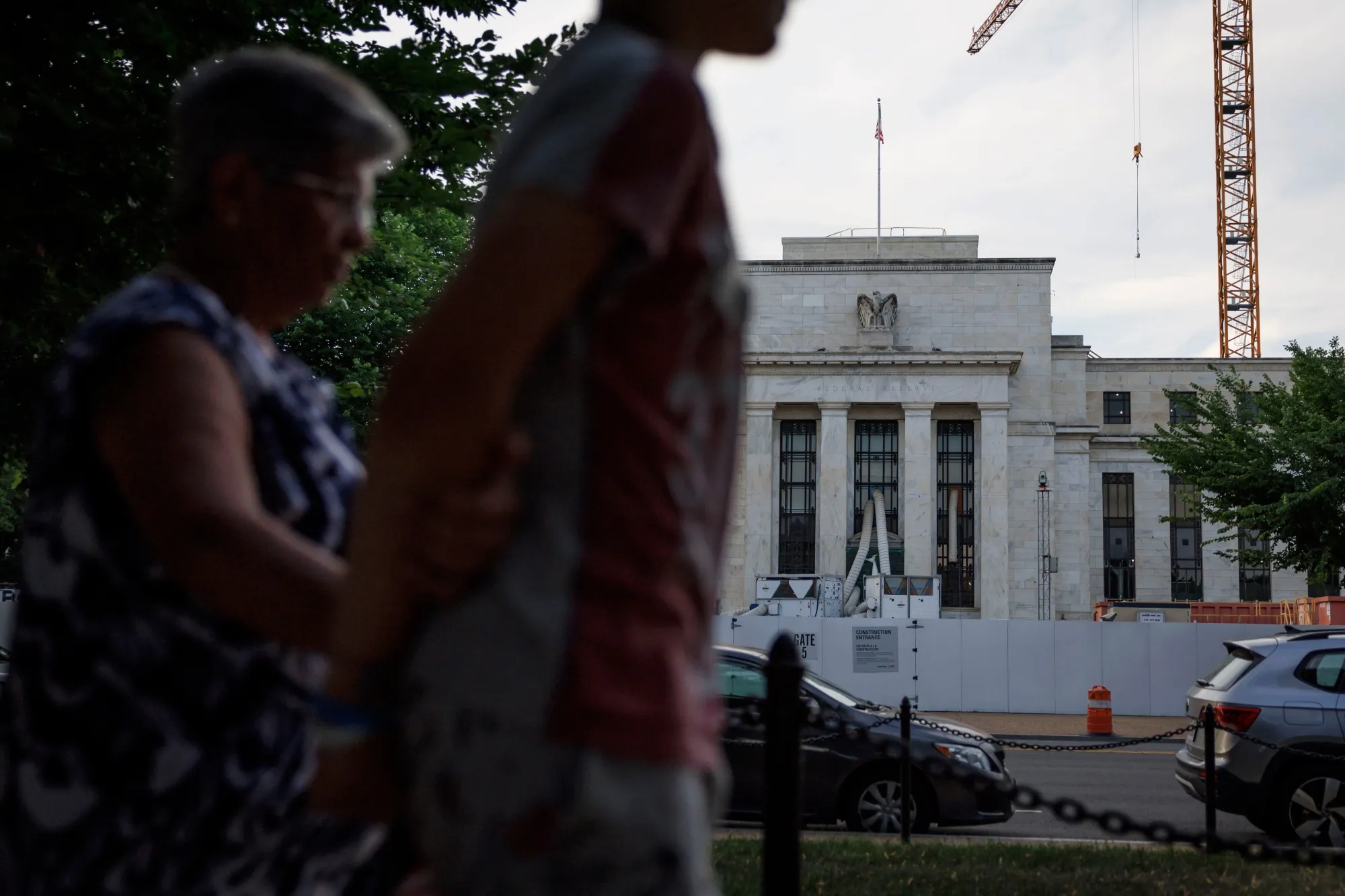
Photo: Bloomberg
Global Financial Markets Focus on Monetary Signals
The cryptocurrency sector is closely watching expectations surrounding a potential United States Federal Reserve rate cut. Monetary policy decisions from the world largest central bank often influence liquidity conditions, investor sentiment, and capital flow across global markets. As speculation grows, digital assets are experiencing renewed attention from both institutional and retail participants.
Understanding the Relationship Between Interest Rates and Crypto
Interest rate policy directly affects borrowing costs, liquidity expansion, and risk appetite. When rates decline, capital typically shifts toward growth oriented and alternative assets. Cryptocurrency markets often respond to such shifts as investors seek opportunities beyond traditional financial instruments. This connection makes monetary policy a powerful force shaping crypto market direction.
Dollar Weakness Narrative Gains Momentum
Analysts believe a rate cut could place downward pressure on the United States dollar. A softer dollar historically improves the appeal of scarce digital assets such as Bitcoin, which are viewed by some investors as a hedge against currency devaluation. Market participants are evaluating whether changing currency dynamics may strengthen long term crypto adoption.
Institutional Investors Monitor Liquidity Conditions
Large asset managers and institutional traders are tracking potential liquidity expansion that may follow monetary easing. Increased liquidity can stimulate trading activity and capital inflows into digital asset markets. Institutions often align their allocation strategies with macroeconomic signals, and policy changes may influence their positioning in Bitcoin and other major cryptocurrencies.
Volatility Expectations Rise Across Crypto Markets
Uncertainty surrounding monetary decisions often generates market volatility. Cryptocurrency prices tend to react quickly to macroeconomic developments, reflecting investor expectations and risk perception. Traders are preparing for possible price swings as financial markets interpret economic data and policy signals.
Macro Economics and Digital Asset Correlation Strengthens
The cryptocurrency sector has matured significantly, creating deeper connections with global macroeconomic trends. Inflation expectations, interest rate forecasts, and currency movement increasingly shape crypto valuation frameworks. This growing correlation reflects the evolution of digital assets into a recognized component of modern financial markets.
Bitcoin Position as a Monetary Alternative
Bitcoin continues to attract attention as a decentralized monetary asset independent of central bank control. During periods of monetary uncertainty, some investors view Bitcoin as a strategic reserve asset. Discussions surrounding rate policy reinforce Bitcoin role within broader debates about inflation, currency stability, and financial sovereignty.
Regulatory and Policy Environment Adds Complexity
Monetary policy is only one factor influencing crypto markets. Regulatory developments, institutional adoption, and technological progress also shape industry direction. Investors must evaluate multiple layers of financial and policy risk when responding to macroeconomic changes.
Market Participants Await Clear Policy Direction
While speculation drives short term sentiment, markets ultimately respond to confirmed policy action. Investors remain cautious as they await clearer signals from central bank communication, economic indicators, and global financial conditions. The outcome could influence capital distribution across both traditional and digital asset sectors.
Long Term Implications for Crypto Finance
The discussion surrounding potential rate cuts highlights the increasing integration of cryptocurrency within global finance. As macroeconomic awareness grows among digital asset investors, market behavior may become more structured and data driven. The evolving relationship between central bank policy and decentralized finance continues to shape the future of the cryptocurrency economy.
Popular articles



Subscribe to unlock premium content
Disney’s Timeless Magic and How the Entertainment Giant Continues to Shape Culture and Innovation

Imran Khan’s Economic Missteps Amid Political Chaos in Pakistan

The Philippines’ Digital Shift How Remittances and BPO Are Fueling Growth

Disney’s Timeless Magic and How the Entertainment Giant Continues to Shape Culture and Innovation
Imran Khan’s Economic Missteps Amid Political Chaos in Pakistan
Disney’s Timeless Magic and How the Entertainment Giant Continues to Shape Culture and Innovation