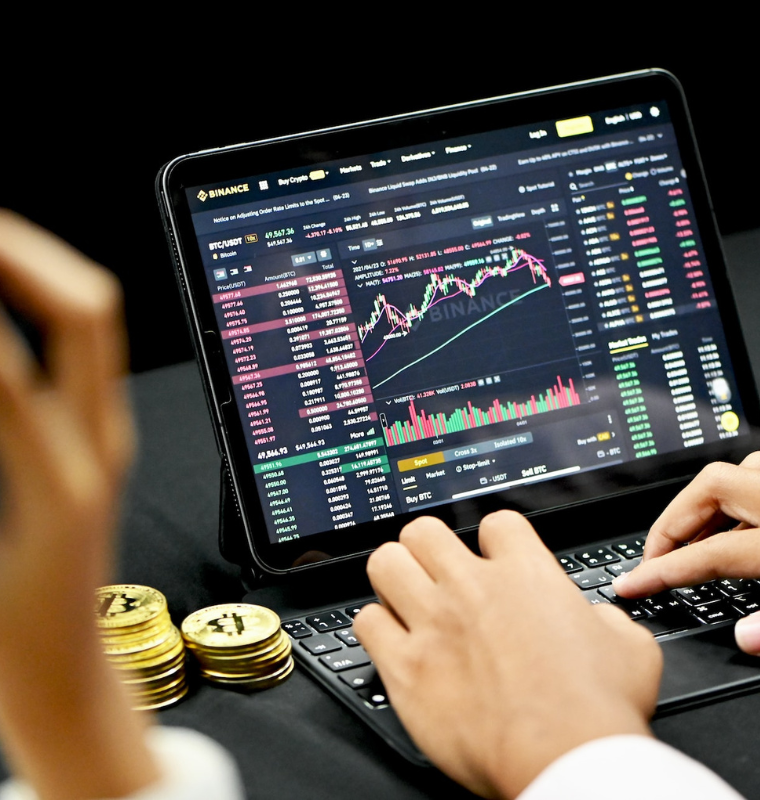
Extreme Fear Dominates Crypto Markets Despite Stable Bitcoin Support Levels

Extreme Fear Dominates Crypto Markets Despite Stable Bitcoin Support Levels
By
Augusta Parker
Last updated:
March 26, 2026
First Published:
March 26, 2026


Fear Returns Even Without Major Price Collapse
The cryptocurrency market is currently experiencing a surge in fear driven sentiment, yet this wave of anxiety is not being triggered by a dramatic collapse in prices. Bitcoin continues to maintain relatively stable support levels, creating a disconnect between market behavior and investor psychology. This contrast highlights how emotional responses can often outweigh rational analysis in digital asset markets.
Sentiment Indicators Reflect Deep Uncertainty
Market sentiment tools are signaling extreme fear, a condition typically associated with sharp downturns. However, the current environment is different. Prices have not fallen aggressively, yet confidence has weakened. This suggests that participants are reacting not just to price action but also to broader uncertainty surrounding the future of the crypto landscape.
Lingering Effects of Recent Volatility
The memory of previous corrections continues to influence investor behavior. Even minor fluctuations are being interpreted as potential warning signs of larger declines. This lingering caution is preventing strong upward momentum, as traders hesitate to commit capital in an environment that feels unpredictable.
Institutional Calm Versus Retail Anxiety
A clear divergence is emerging between institutional investors and retail participants. While institutions appear composed and focused on long term positioning, retail traders are more reactive. This imbalance is amplifying fear driven narratives, even as underlying market fundamentals remain relatively stable.
Stable Support Levels Provide a Hidden Safety Net
Despite widespread concern, Bitcoin’s ability to hold key support levels is acting as a stabilizing force. These levels represent areas where demand consistently absorbs selling pressure. This quiet strength often goes unnoticed during periods of fear, yet it plays a critical role in preventing deeper market declines.
Media Narratives Intensify Emotional Reactions
The way information is circulated within the crypto space is contributing to heightened fear. Headlines emphasizing risk and uncertainty tend to spread rapidly, shaping perception more than data driven analysis. This amplification effect can create a feedback loop where fear sustains itself regardless of actual market conditions.
Reduced Trading Activity Signals Hesitation
Trading volumes have shown signs of contraction, reflecting hesitation among participants. When fear dominates, investors often choose to remain on the sidelines rather than take positions. This reduction in activity further contributes to the sense of stagnation, reinforcing the overall cautious atmosphere.
Opportunities Hidden Within Market Anxiety
Historically, periods of extreme fear have often presented unique opportunities for strategic investors. When sentiment is heavily negative, assets may become undervalued relative to their long term potential. Experienced participants recognize this pattern and use such phases to gradually accumulate positions.
Broader Market Conditions Influence Confidence
External financial factors are also playing a role in shaping sentiment. Uncertainty in global markets, shifting economic policies, and fluctuations in traditional assets are all feeding into the cautious mood within crypto. Investors are increasingly viewing digital assets as part of a wider financial system rather than isolated instruments.
Psychological Cycles Remain Central to Crypto Behavior
The current phase reinforces the importance of psychological cycles in cryptocurrency markets. Fear and greed continue to alternate as dominant forces, often independent of fundamental changes. Understanding these cycles is essential for interpreting market movements and making informed decisions.
A Market Waiting for Clarity
Ultimately, the crypto market appears to be in a holding pattern, driven more by emotion than by structural weakness. Until a clear catalyst emerges, whether from economic developments, technological progress, or regulatory clarity, fear is likely to remain a defining feature. Yet beneath this uncertainty, the stability of key assets suggests that the foundation of the market remains intact.
Popular articles



Subscribe to unlock premium content
Disney’s Timeless Magic and How the Entertainment Giant Continues to Shape Culture and Innovation

Imran Khan’s Economic Missteps Amid Political Chaos in Pakistan

The Philippines’ Digital Shift How Remittances and BPO Are Fueling Growth

Disney’s Timeless Magic and How the Entertainment Giant Continues to Shape Culture and Innovation
Imran Khan’s Economic Missteps Amid Political Chaos in Pakistan
Disney’s Timeless Magic and How the Entertainment Giant Continues to Shape Culture and Innovation