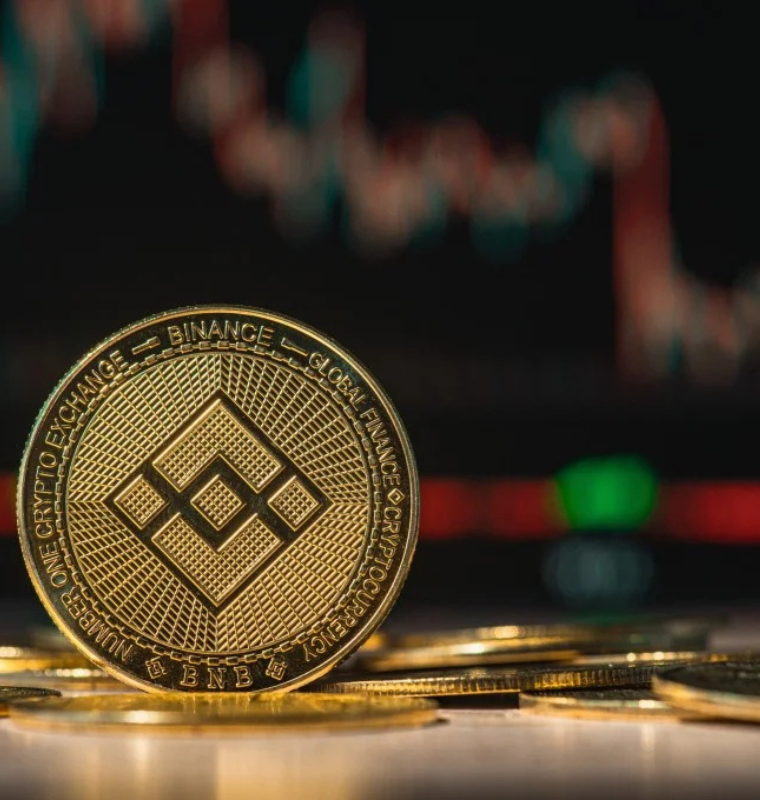
Ethereum Staking Surpasses Half Of Total Supply While Market Price Faces Pressure

Ethereum Staking Surpasses Half Of Total Supply While Market Price Faces Pressure
By
Leah Rosenfeld
Last updated:
February 18, 2026
First Published:
April 25, 2026


Photo: TechCrunch
A Milestone In Ethereum Network Participation
Ethereum has reached a remarkable milestone as more than half of its total circulating supply is now locked in staking. This achievement reflects growing trust in the network and strong participation from validators and long term holders. The scale of staked assets signals that a significant portion of the community is committed to supporting network security and stability.
Understanding The Growth Of Staking
Staking allows participants to lock their digital assets in order to validate transactions and maintain blockchain operations. In return participants earn rewards which incentivize long term holding rather than short term trading. The increasing share of staked Ethereum demonstrates a shift toward sustainability and network driven value creation.
Reduced Circulating Supply Changes Market Dynamics
With a large percentage of Ethereum locked in staking the available circulating supply in the open market has decreased. In theory reduced supply can create upward pressure on price when demand increases. However the current market environment shows that supply alone does not determine price movement highlighting the complexity of crypto market behavior.
Why Price Remains Under Pressure
Despite strong staking growth Ethereum price has struggled to gain momentum. Broader market uncertainty macroeconomic factors and cautious investor sentiment have all contributed to limited price expansion. Market participants are balancing long term optimism with short term risk awareness which has slowed upward price movement.
Long Term Confidence From Validators
Validators who stake Ethereum typically commit their assets for extended periods reflecting strong confidence in the network future. This long term perspective contrasts with short term market volatility. The growing validator base strengthens network decentralization and reinforces Ethereum position as a leading blockchain infrastructure.
Institutional Interest Continues To Expand
Institutional investors are increasingly exploring Ethereum staking as part of digital asset strategies. The ability to generate yield while supporting blockchain operations makes staking attractive for long term portfolios. Institutional participation also contributes to market maturity and improved credibility within the broader financial landscape.
Impact On Network Security And Stability
Higher staking participation enhances the security of the Ethereum network. A larger number of validators makes the system more resilient against attacks and operational risks. This security improvement is a key factor behind growing confidence from developers users and investors building on the Ethereum ecosystem.
Market Liquidity And Trading Behavior
As more Ethereum becomes locked in staking market liquidity dynamics evolve. Lower liquid supply can lead to sharper price reactions during periods of strong buying or selling activity. Traders are closely monitoring liquidity trends to understand how staking levels influence market volatility and price behavior.
Technological Progress Supports The Ecosystem
Ongoing improvements in scalability efficiency and user accessibility continue to strengthen Ethereum long term outlook. Developers are focused on optimizing network performance and reducing transaction costs which may support future demand growth. Technological advancement remains a critical driver behind sustained ecosystem expansion.
Balancing Short Term Volatility With Long Term Vision
The contrast between rising staking levels and subdued price performance highlights the difference between market sentiment and network fundamentals. While short term volatility remains part of the crypto environment the underlying strength of Ethereum infrastructure continues to grow. Many investors view current conditions as part of a broader maturation process.
Future Outlook Remains Constructive
If demand increases while a large portion of supply remains staked Ethereum could experience stronger price momentum in the future. The combination of network security institutional participation and technological progress provides a solid foundation for long term growth. The current phase may represent consolidation before the next stage of market expansion.

Popular articles



Subscribe to unlock premium content
Imran Khan’s Economic Missteps Amid Political Chaos in Pakistan

The Philippines’ Digital Shift How Remittances and BPO Are Fueling Growth

Is the Era of Globalization Over or Just Evolving?
Imran Khan’s Economic Missteps Amid Political Chaos in Pakistan
The Philippines’ Digital Shift How Remittances and BPO Are Fueling Growth
Imran Khan’s Economic Missteps Amid Political Chaos in Pakistan