Dogecoin Shows Signs of Consolidation as Market Adjusts
By
Leah Rosenfeld
Last updated:
March 2, 2026
First Published:
March 2, 2026

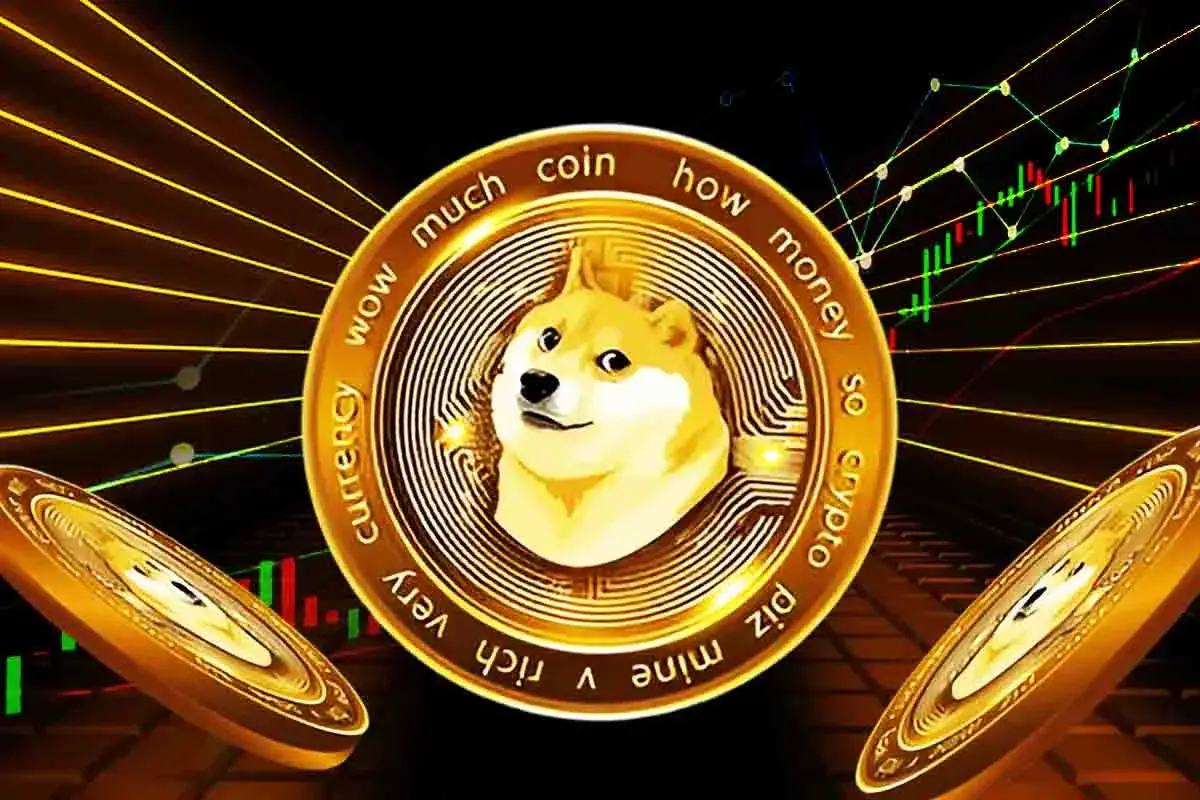
Photo: CoinGape
Dogecoin Bounces Near Key Support
On 3 March 2026, Dogecoin experienced a modest recovery of approximately 2.7 percent, signaling a period of consolidation after a recent downward move. The price action highlights a market adjusting to previous volatility while testing technical support levels near $0.10. Traders interpreted the bounce as a potential stabilization phase rather than a full trend reversal.
Technical Indicators Suggest Cautious Optimism
Technical metrics indicate that Dogecoin’s price has found temporary support. Relative strength indicators show a transition from oversold conditions, while moving averages provide dynamic resistance and support benchmarks. This combination of indicators suggests that the token may continue trading within a narrow range until clear directional momentum emerges.
Market Sentiment Reflects Investor Prudence
Investor sentiment appears balanced. While retail participants are cautiously optimistic, institutional attention remains limited compared to Bitcoin and Ethereum related assets. Social and trading metrics indicate moderate engagement, implying that buyers are testing the market’s strength without committing significant capital.
Correlation With Broader Crypto Trends
Dogecoin’s performance is closely linked to Bitcoin’s market behavior. During the recent rebound in Bitcoin, capital flows extended to smaller cap assets, providing temporary support. However, Dogecoin’s price movement is largely dependent on macro crypto sentiment, showing sensitivity to overall market trends rather than unique fundamentals.
Liquidity and Order Book Dynamics
Exchange order books show consistent support near the $0.10 level, with buy orders absorbing minor sell pressure. Liquidity depth at this range allows traders to enter positions without triggering substantial price swings. This structural stability contributes to the observed consolidation, providing a foundation for potential future moves.
Influence of Community and Media Attention
Dogecoin’s market is uniquely affected by social engagement and online community activity. Positive commentary or viral attention can drive rapid short term spikes, while decreased chatter tends to coincide with periods of price stagnation. The current consolidation phase reflects a period of lower social volatility, allowing technical factors to dominate.
Potential for Short Term Volatility
While consolidation suggests relative stability, small cap cryptocurrencies remain susceptible to rapid price swings. Any sudden influx of market orders, especially leveraged trades, could create temporary volatility. Traders are advised to monitor both technical levels and broader market signals before initiating positions.
Alternative Catalysts
Potential catalysts for Dogecoin include integration into payment networks, adoption in decentralized applications, or renewed interest from high profile market participants. While these factors are speculative, they can contribute to sudden demand surges, altering the current technical equilibrium.
Investor Strategy During Consolidation
During periods of price stabilization, traders may employ range trading strategies, capitalizing on predictable support and resistance levels. Risk management becomes particularly important as leverage or sudden market sentiment shifts could quickly disrupt short term positions. The current environment favors disciplined approaches over aggressive speculation.
The bounce observed on 3 March 2026 demonstrates Dogecoin’s current consolidation phase. Price stabilization near $0.10 reflects a temporary equilibrium between buyers and sellers, influenced by broader crypto market trends and technical support. While momentum remains limited, the market structure suggests a foundation for potential future movements if positive catalysts emerge.

Popular articles



Subscribe to unlock premium content
Disney’s Timeless Magic and How the Entertainment Giant Continues to Shape Culture and Innovation

Imran Khan’s Economic Missteps Amid Political Chaos in Pakistan

The Philippines’ Digital Shift How Remittances and BPO Are Fueling Growth

Disney’s Timeless Magic and How the Entertainment Giant Continues to Shape Culture and Innovation
Imran Khan’s Economic Missteps Amid Political Chaos in Pakistan
Disney’s Timeless Magic and How the Entertainment Giant Continues to Shape Culture and Innovation