
Cryptocurrency Gains Political Influence as Industry Funding Shapes Key US Senate Race

Cryptocurrency Gains Political Influence as Industry Funding Shapes Key US Senate Race
By
Alina Sinclair
Last updated:
March 17, 2026
First Published:
April 25, 2026


Getty Images
Crypto Moves into the Political Spotlight
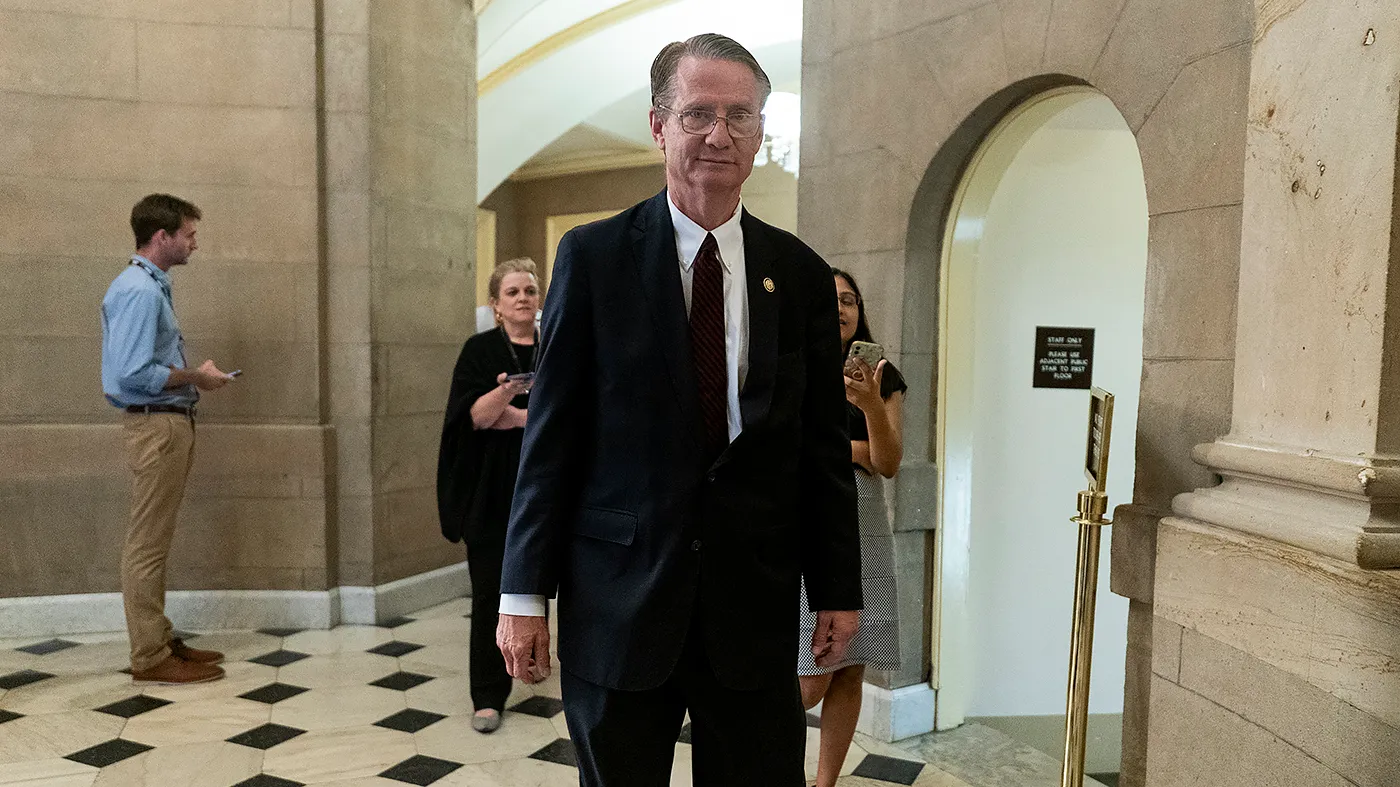
The cryptocurrency industry is asserting a growing presence in U.S. politics as campaign contributions and strategic funding from digital asset stakeholders begin influencing key Senate races. This development underscores the increasing intersection between technology-driven finance and governance, highlighting how crypto is no longer just a market phenomenon but a political force as well.
Funding and Influence in Elections
Industry participants, including blockchain companies, crypto exchanges, and individual investors, are contributing to political campaigns in ways that could shape legislative priorities. Contributions often support candidates who demonstrate understanding of digital finance or advocate for balanced regulation that encourages innovation. The infusion of funding allows the crypto sector to have a more direct voice in policymaking discussions.
Focus on Regulatory Clarity
One of the primary motivations for crypto industry involvement in politics is the desire for clear and fair regulatory frameworks. Companies and investors aim to mitigate uncertainty surrounding taxation, compliance, and operational rules. By influencing policymakers, the industry hopes to create an environment that supports growth while protecting participants and consumers.
Impact on Voter Perception
The presence of cryptocurrency in political campaigns also affects voter perception. Politicians who engage with digital finance topics are increasingly viewed as tech forward or aligned with innovation sectors. Conversely, candidates who ignore emerging technologies may be seen as less informed about the economic landscape, especially among younger and tech savvy voters.
Political Strategy and Industry Goals
Industry funding is often targeted toward Senate races where policy decisions could significantly affect the growth of digital assets. By concentrating resources in competitive states, stakeholders can maximize influence while advocating for regulatory approaches that encourage investment, technological development, and financial inclusion.
Broader Implications for Policy
The involvement of crypto in politics may extend beyond campaign contributions. Candidates who receive support from the sector could prioritize legislation that fosters blockchain adoption, encourages institutional investment, and protects the rights of decentralized finance users. This engagement could accelerate the integration of crypto into mainstream financial systems.
Challenges and Criticisms
Despite its benefits, industry funding also faces scrutiny. Critics argue that large contributions may create conflicts of interest or favor special interest groups. Transparency and accountability in how funds are allocated and how policy is shaped remain key concerns. The industry must balance influence with public trust to maintain credibility.
Integration with Traditional Finance
The growing political engagement mirrors the broader trend of crypto integrating with traditional finance. Just as institutional investors are entering the market, the sector is becoming an active participant in the political arena. This dual integration strengthens the legitimacy of digital assets while highlighting the interconnectedness of finance, technology, and governance.
Opportunities for Voters and Investors
For voters, the increasing role of crypto in politics provides an opportunity to evaluate candidates’ understanding of innovation and financial technology. For investors, political developments can signal potential changes in the regulatory landscape, guiding strategic decisions and portfolio allocations. Awareness of these shifts is becoming increasingly important for market participants.
Looking Ahead
As the cryptocurrency industry continues to expand its political footprint, the coming election cycles may serve as a benchmark for how effectively the sector can influence policy while maintaining transparency and ethical standards. The intersection of digital finance and politics is shaping the future of both markets and governance, with implications for investors, innovators, and the broader economy.
Popular articles



Subscribe to unlock premium content
Imran Khan’s Economic Missteps Amid Political Chaos in Pakistan
The Philippines’ Digital Shift How Remittances and BPO Are Fueling Growth

Is the Era of Globalization Over or Just Evolving?

Imran Khan’s Economic Missteps Amid Political Chaos in Pakistan
The Philippines’ Digital Shift How Remittances and BPO Are Fueling Growth
Imran Khan’s Economic Missteps Amid Political Chaos in Pakistan