Crypto Rules Enter a New Era
By
Alina Sinclair
Last updated:
January 7, 2026
First Published:
January 7, 2026

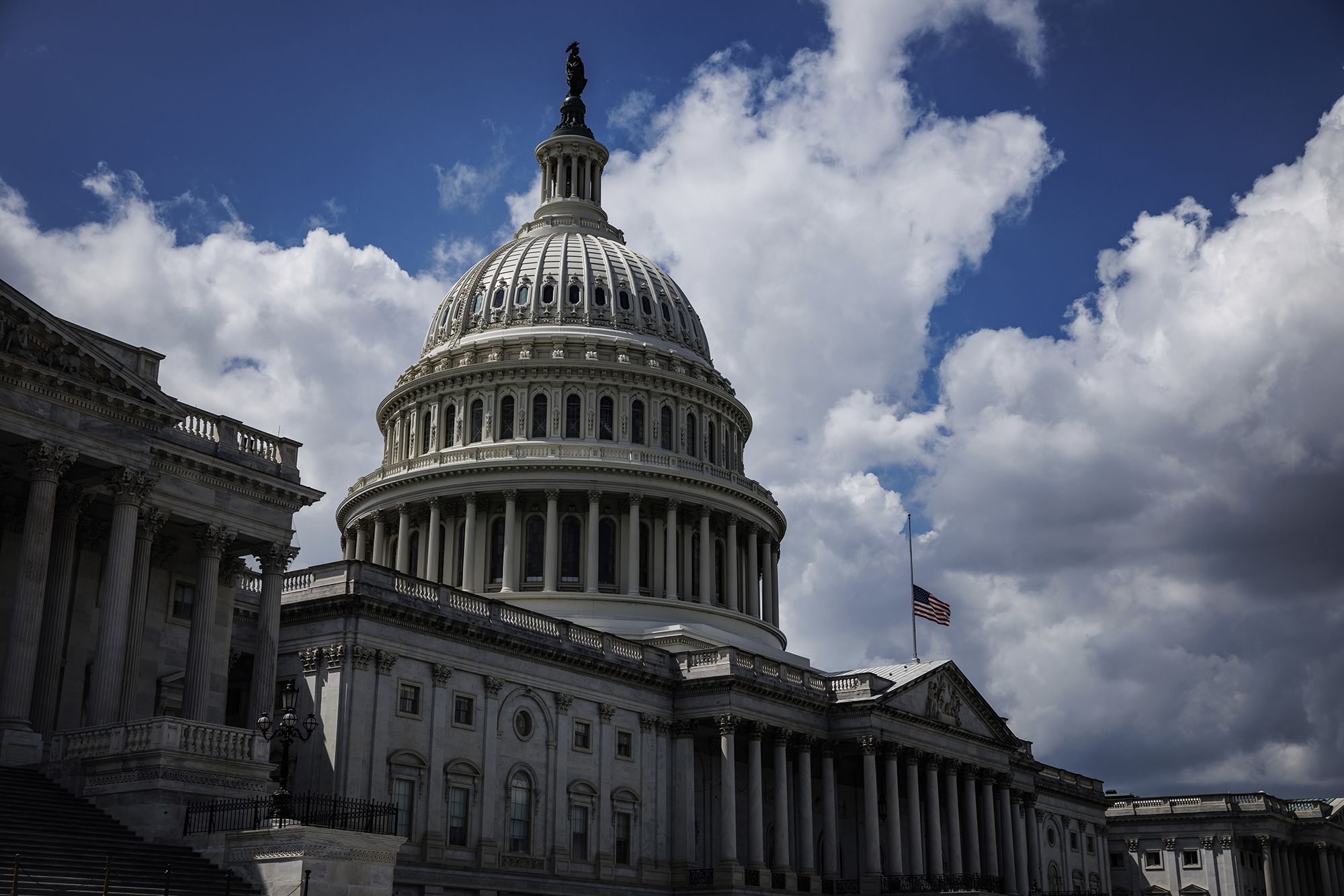
Photo: CNN
Regulatory Foundations Finally Take Shape
The global cryptocurrency industry has spent years operating in a space defined by uncertainty and fragmented oversight. Recently that phase has begun to close as governments and regulators across major economies have introduced clearer frameworks for digital assets. These rules are not perfect but they establish long awaited definitions for tokens exchanges custody and compliance. For the first time the industry is no longer asking whether regulation will arrive but how it will be applied in real world conditions.
From Conceptual Policies to Daily Operations
The arrival of regulatory clarity signals a transition from theory to practice. Exchanges developers and service providers must now integrate compliance into everyday operations rather than treating it as a future concern. Licensing requirements reporting standards and consumer protection measures are becoming part of routine business processes. This shift challenges crypto companies to mature operationally while maintaining the innovation that defined their early growth.
Institutional Confidence Begins to Solidify
Clearer rules have started to change how traditional financial institutions view crypto markets. Banks asset managers and payment firms are showing renewed interest because regulatory expectations are easier to evaluate and manage. With reduced legal ambiguity institutions can design products and services that meet compliance standards without fear of sudden enforcement surprises. This gradual return of institutional confidence could reshape market liquidity and stability.
Compliance as a Competitive Advantage
In the new environment compliance is no longer just a defensive measure. Firms that invest early in governance transparency and risk controls are gaining a strategic edge. Users are increasingly drawn to platforms that demonstrate accountability and regulatory alignment. Over time compliance focused companies may capture larger market share as trust becomes a decisive factor in user choice.
The Evolving Role of Blockchain Innovation
Regulation does not signal the end of innovation but rather a refinement of it. Blockchain developers are now designing protocols with regulatory compatibility in mind including features for auditability identity verification and asset tracking. This evolution encourages more sustainable innovation that can integrate with existing financial systems while preserving the core benefits of decentralization.
Global Differences Still Shape the Landscape
Despite progress regulatory approaches still vary widely across regions. Some jurisdictions prioritize strict oversight while others emphasize innovation friendly frameworks. Companies operating internationally must navigate these differences carefully balancing local compliance with global scalability. This patchwork environment ensures that regulatory strategy remains a central consideration for any serious crypto enterprise.
Market Stability Takes Center Stage
With rules in place regulators are focusing on market integrity and systemic risk. Measures addressing reserve transparency custody practices and trading conduct aim to reduce volatility driven by hidden leverage or poor governance. While price swings will always exist stronger oversight may limit extreme disruptions that undermine long term confidence in digital assets.
Consumer Protection Moves Into Focus
One of the most significant impacts of new rules is improved protection for everyday users. Disclosure requirements clearer risk communication and safeguards around asset custody are becoming standard. These measures help users make informed decisions and reduce exposure to fraud or mismanagement. Over time stronger consumer protection can expand adoption beyond early adopters and speculative traders.
Enforcement Defines the Next Phase
Rules alone are not enough without consistent enforcement. Regulatory agencies are now testing their frameworks through audits approvals and penalties. How fairly and predictably these rules are enforced will shape industry behavior. Transparent enforcement builds credibility while uneven actions risk reviving uncertainty and resistance.
A Maturing Industry Steps Forward
The crypto industry is entering a phase defined by execution rather than experimentation. Success will depend on how effectively participants implement rules while continuing to innovate responsibly. Two thousand twenty six is shaping up to be the year when crypto proves it can operate at scale within defined boundaries. This maturation may not be as exciting as the early days but it is essential for long term legitimacy and growth.

Popular articles



Subscribe to unlock premium content
Disney’s Timeless Magic and How the Entertainment Giant Continues to Shape Culture and Innovation

Imran Khan’s Economic Missteps Amid Political Chaos in Pakistan

The Philippines’ Digital Shift How Remittances and BPO Are Fueling Growth

Disney’s Timeless Magic and How the Entertainment Giant Continues to Shape Culture and Innovation
Imran Khan’s Economic Missteps Amid Political Chaos in Pakistan
Disney’s Timeless Magic and How the Entertainment Giant Continues to Shape Culture and Innovation