Crypto Markets Face Volatility as Global Tensions and Policy Uncertainty Shake Investor Confidence

Crypto Markets Face Volatility as Global Tensions and Policy Uncertainty Shake Investor Confidence
By
Augusta Parker
Last updated:
March 29, 2026
First Published:
March 29, 2026


Photo: StocksToTrade
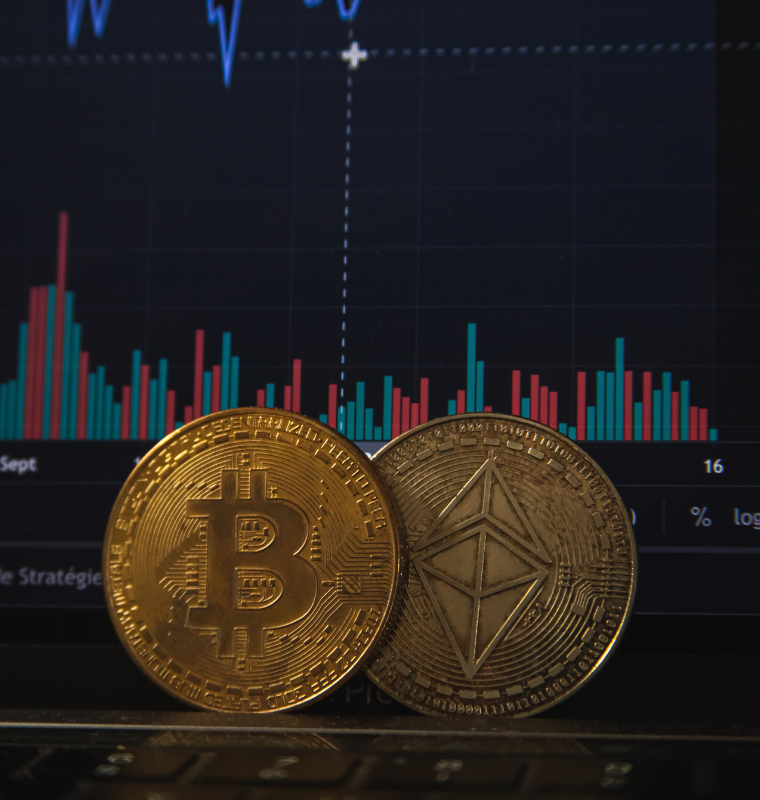
The cryptocurrency market entered a period of heightened volatility on March 30, 2026 as global tensions and policy uncertainty began to weigh heavily on investor sentiment. Prices across major digital assets fluctuated rapidly, reflecting a market that is increasingly sensitive to external forces. What initially appeared to be a temporary reaction soon revealed deeper structural concerns about how cryptocurrencies interact with global financial and political developments.
A Sudden Shift in Market Sentiment
Investor sentiment changed abruptly as uncertainty surrounding international relations and economic policy intensified. Traders who had been expecting a continuation of bullish momentum were forced to reassess their positions. The market quickly moved from optimism to caution, with many participants choosing to reduce exposure rather than risk further losses in an unpredictable environment.
Geopolitical Tensions Create Instability
Ongoing tensions in key global regions have become a major driver of market behavior. Unlike earlier periods when crypto markets operated somewhat independently, current conditions show a clear connection between geopolitical developments and digital asset performance. Investors are now reacting to headlines related to conflicts, diplomatic actions, and economic sanctions, all of which contribute to increased volatility.
Policy Uncertainty Adds Pressure
In addition to geopolitical risks, uncertainty around government policies has further complicated the market landscape. Discussions around tighter regulations, taxation frameworks, and central bank digital currencies have created hesitation among investors. The lack of clear direction from policymakers has made it difficult for market participants to confidently plan long term strategies.
Institutional Behavior Signals Caution
Institutional investors have responded to the uncertain environment with increased caution. While these entities continue to play a significant role in the crypto ecosystem, their approach has become more defensive. Some institutions have reduced exposure or paused new investments, contributing to lower liquidity and amplifying price swings during periods of market stress.
Retail Traders React Emotionally
Retail participants have also been heavily impacted by the volatile conditions. Rapid price movements have triggered emotional responses, including panic selling and impulsive buying. Many traders find themselves reacting to short term fluctuations rather than following structured strategies, which further intensifies market instability.
Liquidity Fluctuations Increase Risk
One of the key challenges during this period is the inconsistency in market liquidity. As participants enter and exit positions more frequently, order books become thinner, making prices more susceptible to sharp movements. This environment increases the risk for all traders, particularly those using leverage or short term trading strategies.
Technical Indicators Show Mixed Signals
From a technical perspective, the market presents a complex picture. Some indicators suggest potential recovery, while others point to continued weakness. The lack of clear directional signals has made it difficult for analysts to establish a consensus outlook. This uncertainty reinforces the cautious approach adopted by many investors.
The Evolving Role of Cryptocurrency
The current situation highlights an important shift in how cryptocurrencies are perceived. Once viewed primarily as an alternative financial system, digital assets are now deeply integrated into the broader economic framework. This integration means that crypto markets are increasingly influenced by the same factors that impact traditional assets.
Opportunities in a Volatile Market
Despite the challenges, volatility can create opportunities for experienced investors. Price fluctuations allow for strategic entry and exit points, particularly for those who understand market cycles and risk management principles. However, capitalizing on these opportunities requires discipline and a clear understanding of the risks involved.
Looking Ahead
As the market continues to navigate uncertainty, attention will remain focused on geopolitical developments and policy decisions. Any signs of stability or clarity could help restore confidence and reduce volatility. Until then, the crypto market is likely to remain highly reactive, with rapid changes in sentiment shaping price movements.
The current phase of volatility underscores the growing complexity of the cryptocurrency market. It is no longer driven solely by internal dynamics but is increasingly shaped by global events and policy frameworks. For investors, adapting to this evolving environment will be essential, as the ability to interpret macro signals becomes just as important as understanding blockchain technology itself.

Popular articles



Subscribe to unlock premium content
Disney’s Timeless Magic and How the Entertainment Giant Continues to Shape Culture and Innovation

Imran Khan’s Economic Missteps Amid Political Chaos in Pakistan

The Philippines’ Digital Shift How Remittances and BPO Are Fueling Growth

Disney’s Timeless Magic and How the Entertainment Giant Continues to Shape Culture and Innovation
Imran Khan’s Economic Missteps Amid Political Chaos in Pakistan
Disney’s Timeless Magic and How the Entertainment Giant Continues to Shape Culture and Innovation