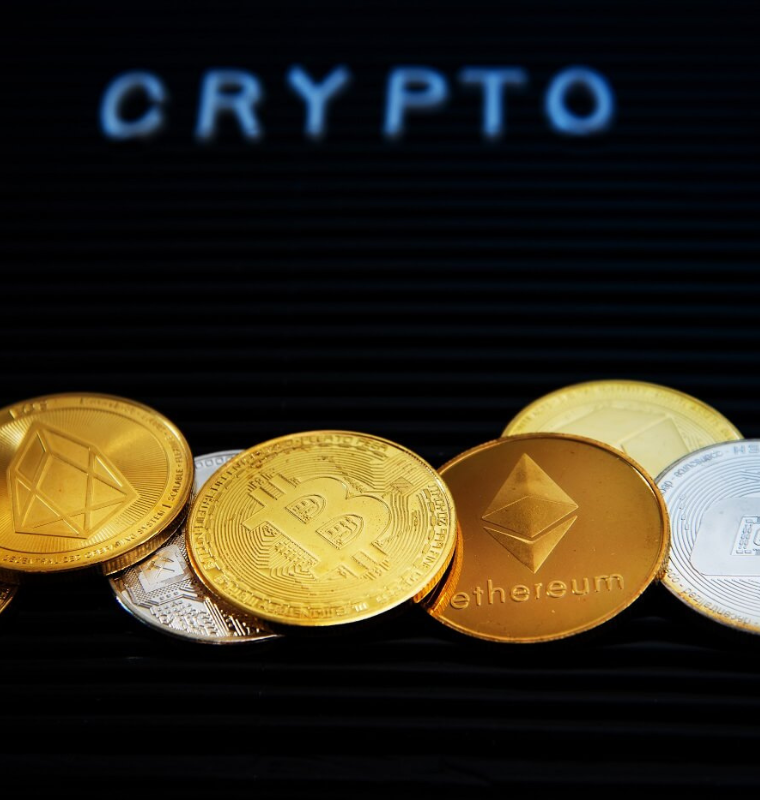
Crypto Markets Face New Competition as Investor Capital Flows Toward Major IPO Opportunities

Crypto Markets Face New Competition as Investor Capital Flows Toward Major IPO Opportunities
By
David Goldfarb
Last updated:
June 8, 2026
First Published:
June 8, 2026


Photo: Money Magpie
The cryptocurrency industry is entering a period of heightened competition for investor capital as several highly anticipated public offerings capture attention across global financial markets. While digital assets have traditionally attracted investors seeking growth opportunities outside conventional finance, a new wave of major initial public offerings is creating fresh alternatives that could influence how capital is allocated in the months ahead.
The development comes at an important time for the cryptocurrency sector. Following years of expansion, institutional adoption, and growing mainstream recognition, digital assets have become an established part of many investment portfolios. However, investors operate with finite resources, and whenever new opportunities emerge, decisions must be made regarding where capital can potentially generate the strongest returns.
As excitement surrounding upcoming public listings grows, analysts are closely examining whether these offerings could temporarily reduce investment flows into cryptocurrencies and reshape short term market dynamics.
The Battle for Investor Capital
Financial markets are constantly competing for attention. Investors evaluate a wide range of opportunities including stocks, bonds, commodities, real estate, private equity, and digital assets. Each asset class offers a unique combination of risk, reward, liquidity, and growth potential.
When major companies prepare to enter public markets, they often attract significant interest from institutional and retail investors alike. High profile offerings can generate substantial excitement because they provide access to businesses that may have previously been available only to private investors.
As anticipation builds around these listings, some investors may choose to redirect funds from other markets, including cryptocurrencies, in order to participate in public offerings they believe possess strong growth potential.
This shift does not necessarily indicate declining confidence in digital assets. Instead, it reflects the reality that investors continuously seek the most attractive opportunities available at any given time.
Why Major IPOs Generate So Much Interest
Initial public offerings represent a unique moment in a company's development. For investors, they provide an opportunity to participate in a business during a transformative stage of growth and public market expansion.
Companies preparing for public listings often possess strong brand recognition, impressive revenue growth, innovative technologies, or dominant positions within emerging industries. These characteristics naturally attract attention from investors searching for future market leaders.
The excitement surrounding major public offerings can become particularly intense when companies operate within sectors experiencing rapid innovation. Investors may perceive these opportunities as rare chances to gain exposure to businesses that could shape the future economy.
As a result, substantial amounts of capital can move toward newly listed companies during periods of heightened IPO activity.
Cryptocurrency Markets Feel the Impact
Digital asset markets are highly sensitive to changes in capital flows. While cryptocurrency adoption continues expanding globally, short term price movements often reflect shifts in investor sentiment and liquidity.
When investors allocate funds toward public offerings, those resources become temporarily unavailable for other investments. This dynamic can reduce demand across various asset classes, including cryptocurrencies.
Market analysts have observed that periods of strong IPO activity occasionally coincide with slower capital inflows into digital assets. The effect is not always dramatic, but it can influence market momentum and contribute to temporary periods of consolidation.
For cryptocurrency investors, understanding these broader market relationships is essential because digital assets increasingly operate within a larger and more interconnected financial ecosystem.
Institutional Investors Face Allocation Decisions
Institutional investors play a central role in today's cryptocurrency market. Asset managers, hedge funds, pension related investment vehicles, and corporate treasuries collectively represent a significant source of capital within the digital asset sector.
These organizations often follow strict portfolio allocation strategies designed to balance risk and reward across multiple asset categories. When attractive public offerings emerge, institutions may adjust their allocations to take advantage of new opportunities.
Such decisions can affect investment flows into cryptocurrencies, particularly during periods when institutions seek to preserve liquidity for upcoming transactions.
Although these adjustments are often temporary, they highlight the growing integration between digital assets and traditional financial markets.
The Evolution of Investor Behavior
The investment landscape has changed dramatically over the past decade. Investors now have access to an unprecedented variety of opportunities spanning both traditional and emerging sectors.
Cryptocurrencies were once viewed as a niche market operating independently from mainstream finance. Today, however, digital assets compete directly with stocks, private investments, technology companies, and other growth oriented opportunities.
This evolution reflects the increasing sophistication of modern investors. Rather than concentrating capital within a single sector, many seek diversified exposure across multiple industries and asset classes.
As a result, cryptocurrencies must increasingly compete on the basis of risk adjusted returns, innovation, utility, and long term growth potential.
Why This Does Not Signal a Crypto Weakness
Some observers may interpret capital flowing toward public offerings as a negative development for digital assets. However, many analysts view the situation differently.
Competition for investment capital is a normal feature of healthy financial markets. Strong public offerings do not necessarily diminish the long term attractiveness of cryptocurrencies. Instead, they simply provide investors with additional choices.
In many cases, capital may eventually return to digital assets once IPO related excitement subsides. Investors frequently rebalance portfolios based on market conditions, valuation levels, and evolving opportunities.
The cryptocurrency industry has repeatedly demonstrated its ability to attract capital during periods of innovation, adoption growth, and technological advancement.
Therefore, temporary shifts in investment flows should be viewed within a broader context.
The Importance of Market Maturity
One notable aspect of the current situation is what it reveals about the maturity of cryptocurrency markets. The fact that digital assets are now discussed alongside major public offerings highlights their growing significance within global finance.
A decade ago, cryptocurrencies operated largely outside institutional investment discussions. Today, they are routinely compared with stocks, technology companies, and other established investment categories.
This integration represents an important milestone for the industry. It suggests that cryptocurrencies have become a recognized asset class capable of competing for attention within mainstream investment portfolios.
While competition may create short term challenges, it also reflects the sector's progress and increasing legitimacy.
Long Term Drivers Remain Intact
Despite potential short term capital shifts, the fundamental drivers supporting cryptocurrency adoption remain largely unchanged. Blockchain innovation continues advancing across multiple industries. Institutional infrastructure continues improving. Regulatory frameworks are gradually becoming clearer in many regions.
At the same time, interest in decentralized finance, tokenization, digital payments, and blockchain based applications remains strong.
These developments provide a foundation for continued growth beyond temporary market cycles. Investors who focus on long term trends often view such periods as normal fluctuations within a larger adoption story.
As technology and financial systems continue evolving, cryptocurrencies are expected to remain an important component of future investment discussions.
What Investors Should Watch Moving Forward
The relationship between public offerings and cryptocurrency markets will remain an important area of observation throughout the year. Investors should monitor capital flows, institutional allocation trends, market sentiment, and liquidity conditions.
Strong IPO performance could attract additional investor interest toward public equities. Conversely, if cryptocurrency markets deliver compelling returns or major adoption milestones, capital may quickly shift back toward digital assets.
Market conditions rarely remain static for long. Successful investors often focus on understanding these evolving dynamics rather than reacting solely to short term developments.
Maintaining a balanced perspective can help participants navigate periods of uncertainty while remaining focused on broader opportunities.
A New Era of Competition Across Financial Markets
The growing competition between cryptocurrency investments and major public offerings reflects the changing nature of modern finance. Investors now operate in an environment filled with diverse opportunities spanning traditional and emerging asset classes.
While upcoming IPOs may temporarily attract capital away from digital assets, the situation should be viewed as evidence of a maturing investment ecosystem rather than a threat to cryptocurrency adoption. Both sectors offer distinct advantages and appeal to different investment objectives.
For the cryptocurrency industry, this evolving landscape presents both challenges and opportunities. Success will depend on continued innovation, expanding utility, and the ability to demonstrate lasting value within an increasingly competitive global marketplace.
As investors evaluate where to deploy capital next, cryptocurrencies remain firmly positioned as one of the most influential and closely watched sectors in modern finance.

Popular articles



Subscribe to unlock premium content
Imran Khan’s Economic Missteps Amid Political Chaos in Pakistan

The Philippines’ Digital Shift How Remittances and BPO Are Fueling Growth

Is the Era of Globalization Over or Just Evolving?

Imran Khan’s Economic Missteps Amid Political Chaos in Pakistan
The Philippines’ Digital Shift How Remittances and BPO Are Fueling Growth
Imran Khan’s Economic Missteps Amid Political Chaos in Pakistan