Crypto Market Sentiment Turns to Extreme Fear as Volatility Returns to Digital Assets

Crypto Market Sentiment Turns to Extreme Fear as Volatility Returns to Digital Assets
By
Leah Rosenfeld
Last updated:
March 12, 2026
First Published:
March 12, 2026

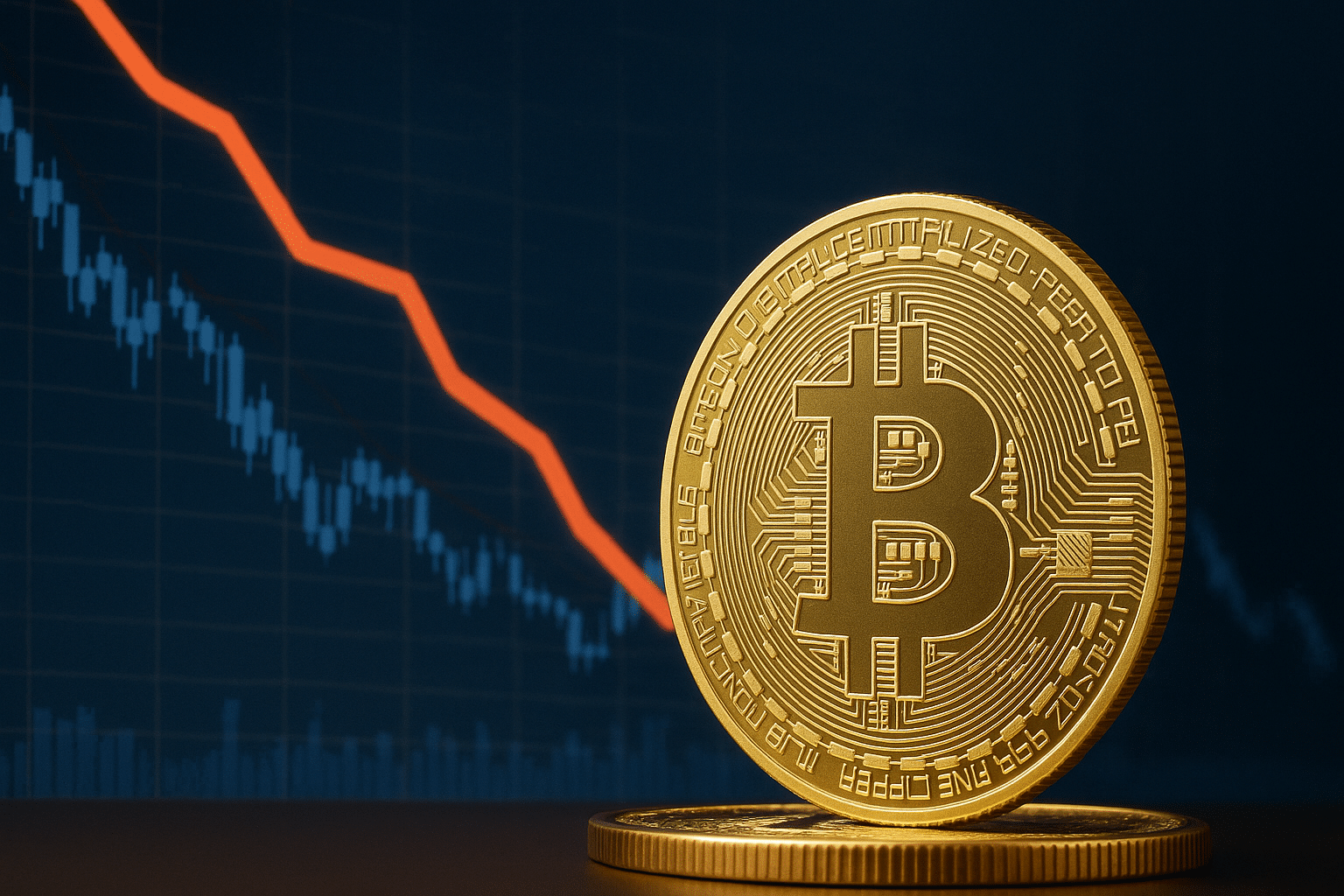
Photo: Observer Voice
The cryptocurrency market has recently entered a phase of heightened uncertainty, with sentiment indicators signaling extreme fear among investors. After a period of steady gains, digital assets are now experiencing renewed volatility that has shaken confidence in both major coins and smaller altcoins. Extreme fear in the market often reflects a combination of macroeconomic pressures, regulatory concerns, and short term speculative movements, and it can influence the decisions of both institutional and retail investors.
Factors Driving Market Anxiety
Several factors have contributed to the sudden shift in market sentiment. Global economic instability, concerns over rising interest rates, and recent geopolitical developments have created an environment where investors are cautious about riskier assets. Cryptocurrencies, known for their sensitivity to news and investor psychology, often react strongly in such conditions. Market participants are closely watching Bitcoin and Ethereum, as movements in these major assets tend to set the tone for the broader crypto ecosystem.
Volatility and Its Effects on Investors
Volatility can have a profound effect on market behavior. Extreme fluctuations in price make it difficult for traders to predict short term movements and can trigger panic selling. Retail investors who have seen rapid gains may be inclined to secure profits, while institutional players may adjust positions to manage risk. The combination of these actions can amplify price swings, creating feedback loops that intensify market fear.
Fear and the Role of Market Indicators
Indicators like the Crypto Fear and Greed Index are used to measure investor sentiment and can highlight periods of extreme fear or greed. Currently, these measures point toward widespread caution, suggesting that many market participants are hesitant to take on additional risk. Such sentiment often precedes either sharp corrections or sudden recoveries, depending on how news and trading dynamics unfold.
Impact on Bitcoin and Major Cryptocurrencies
Bitcoin, the largest cryptocurrency by market capitalization, is often considered a barometer of overall market health. Recent price fluctuations and investor caution have caused Bitcoin to trade within a narrower range, while altcoins have experienced more pronounced volatility. Investors are monitoring support levels closely, as significant breaks below key price points could exacerbate negative sentiment.
Regulatory Developments and Their Influence
Regulatory actions have a significant influence on cryptocurrency markets, and recent announcements from global authorities have contributed to the uncertainty. While regulation is necessary for long term stability, the timing and scope of new rules often trigger short term market reactions. Investors are particularly attentive to policy developments related to taxation, securities classifications, and compliance requirements for exchanges.
The Psychological Aspect of Market Fear
Market psychology plays an important role in the behavior of cryptocurrency traders. Fear can spread quickly through social media, online forums, and news outlets, influencing both individual and institutional decisions. During periods of extreme fear, even minor negative news can trigger outsized reactions, amplifying downward pressure on prices and creating a cautious trading environment.
Opportunities Amid Uncertainty
Although fear dominates sentiment indicators, some investors view these periods as potential opportunities. Lower prices may allow long term investors to accumulate assets at favorable valuations. Analysts often suggest maintaining a balanced approach by assessing fundamentals, diversification, and risk tolerance rather than reacting purely to short term market swings.
The Role of Institutional Players
Institutions play a stabilizing role during volatile periods. Their trading strategies and long term outlook can mitigate some of the panic that pervades retail markets. By providing liquidity and maintaining significant holdings, institutional investors can help smooth price movements and restore confidence over time.
Looking Forward in a Volatile Market
As the cryptocurrency market navigates this period of extreme fear, traders and investors are closely monitoring both macroeconomic indicators and blockchain specific developments. Volatility is likely to continue in the short term, but periods of fear often set the stage for subsequent recovery and growth. Understanding market sentiment and maintaining disciplined investment strategies remain crucial for participants seeking to navigate the dynamic landscape of digital assets.
The return of market volatility highlights both the risks and opportunities inherent in the cryptocurrency ecosystem. Investors who approach these conditions with knowledge, patience, and strategic planning may benefit from the long term potential of digital assets while mitigating the impact of short term fear.

Popular articles



Subscribe to unlock premium content
Disney’s Timeless Magic and How the Entertainment Giant Continues to Shape Culture and Innovation

Imran Khan’s Economic Missteps Amid Political Chaos in Pakistan

The Philippines’ Digital Shift How Remittances and BPO Are Fueling Growth

Disney’s Timeless Magic and How the Entertainment Giant Continues to Shape Culture and Innovation
Imran Khan’s Economic Missteps Amid Political Chaos in Pakistan
Disney’s Timeless Magic and How the Entertainment Giant Continues to Shape Culture and Innovation