Crypto Market Remains Range Bound as Institutional Flows Turn Inconsistent Across Major Assets

Crypto Market Remains Range Bound as Institutional Flows Turn Inconsistent Across Major Assets
By
Leah Rosenfeld
Last updated:
April 5, 2026
First Published:
April 5, 2026

Getty Images
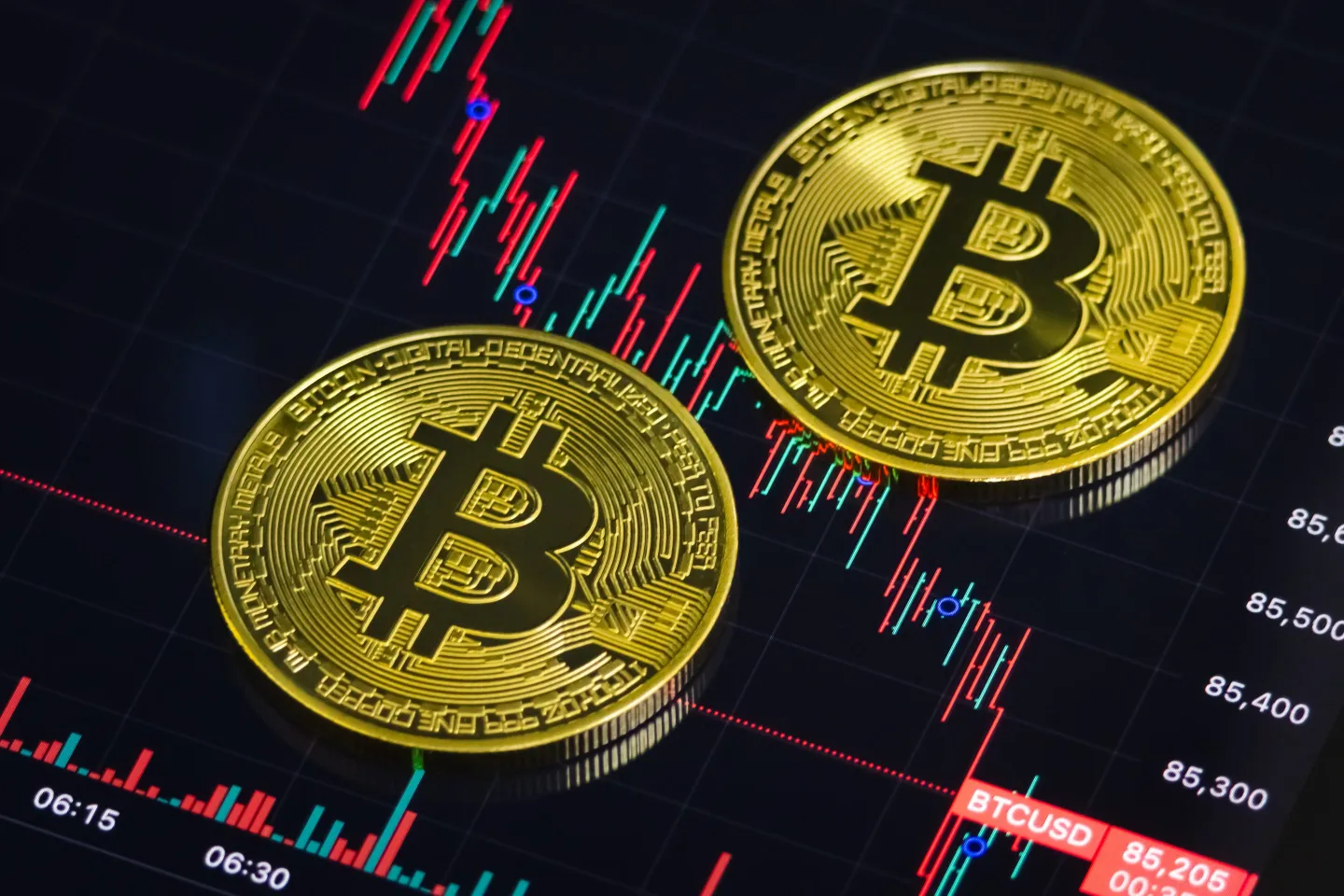
The cryptocurrency market is currently navigating a phase of consolidation, with Bitcoin, Ethereum, and other major digital assets trading within relatively tight ranges. Analysts describe this period as range bound, reflecting a balance between buying and selling pressures. While volatility has not disappeared entirely, market participants are showing signs of restraint as they await clearer directional cues.
Institutional involvement appears to be a major factor in this evolving landscape. Large investors and funds continue to move capital strategically, but flows have become inconsistent in recent weeks. In some cases, inflows into Bitcoin ETFs and other regulated vehicles have supported upward momentum, while withdrawals in other segments have contributed to temporary pressure on prices.
The current consolidation phase is also linked to broader macroeconomic factors. Investors are closely monitoring central bank policies, interest rate expectations, and global economic indicators. Although crypto markets have started to decouple from traditional risk assets to some degree, macroeconomic sentiment still influences risk appetite and trading behavior.
Technical analysts point to key support and resistance levels that are defining the current trading ranges. For Bitcoin, these levels are serving as important decision points where accumulation by long term holders meets profit taking by short term traders. Ethereum and other altcoins show similar patterns, highlighting a market that is balancing between optimism and caution.
One notable aspect of this range bound behavior is its impact on market psychology. Traders often respond to uncertainty by reducing exposure, waiting for decisive signals before committing capital. This cautious approach can limit extreme volatility, but it also slows the formation of strong trends, creating a sideways market that can persist for weeks or months.
Liquidity patterns have added another layer of complexity. While institutional flows introduce stability, the irregular nature of these movements means that markets can react unpredictably to sudden changes in buying or selling pressure. This creates moments of sharp price fluctuations within the otherwise narrow ranges, keeping traders attentive and adaptive.
The influence of retail investors remains relevant despite the growing role of institutions. Social sentiment, online discourse, and exchange activity continue to reflect the collective mood of smaller participants. Although retail trading volumes are lower than during previous speculative cycles, their behavior can still amplify short term swings, particularly in less liquid altcoins.
Emerging narratives around adoption and technology upgrades are also shaping the current environment. Developments such as Ethereum network improvements, Layer 2 scaling solutions, and increased institutional integration signal long term potential. However, these positive fundamentals are currently tempered by uncertainty, maintaining the range bound condition.
Market analysts emphasize that this consolidation phase can be healthy for the ecosystem. By providing time for accumulation and reducing impulsive trading, range bound periods can strengthen the market structure, preparing it for eventual breakout moves. Investors with a long term perspective often view these periods as opportunities to build positions in quality assets.
Ultimately, the crypto market’s present state reflects a combination of cautious optimism, strategic institutional flows, and ongoing macroeconomic observation. While short term price movements remain muted, the underlying dynamics suggest that the market is positioning itself for a more decisive trend in the near future. Traders and investors who understand these forces are better equipped to navigate the current phase with patience and strategic insight.

Popular articles



Subscribe to unlock premium content
Disney’s Timeless Magic and How the Entertainment Giant Continues to Shape Culture and Innovation

Imran Khan’s Economic Missteps Amid Political Chaos in Pakistan

The Philippines’ Digital Shift How Remittances and BPO Are Fueling Growth

Disney’s Timeless Magic and How the Entertainment Giant Continues to Shape Culture and Innovation
Imran Khan’s Economic Missteps Amid Political Chaos in Pakistan
Disney’s Timeless Magic and How the Entertainment Giant Continues to Shape Culture and Innovation