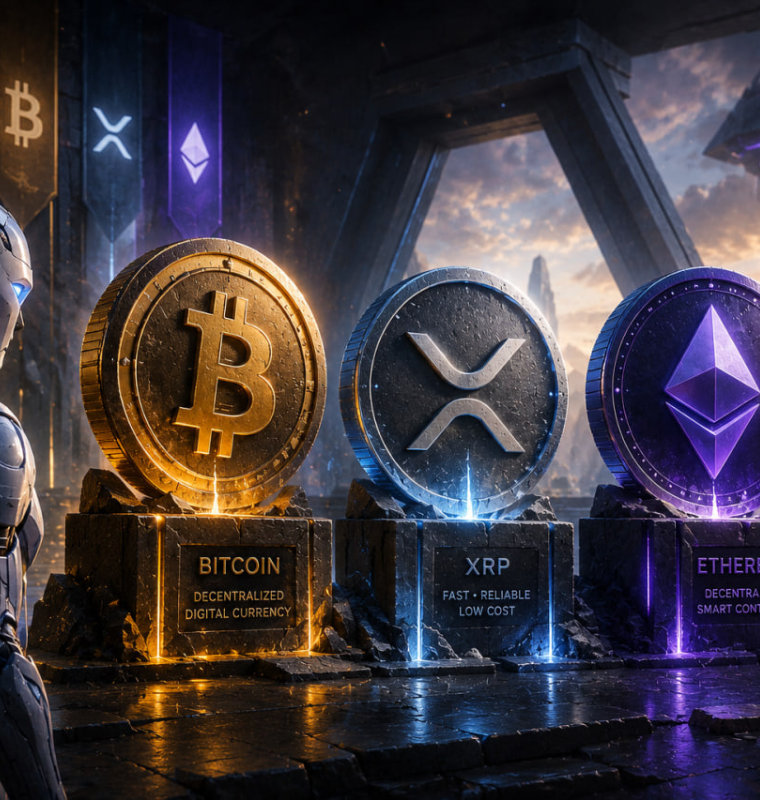
Crypto Market Recovery Slows as Investors Await Fresh Institutional Catalysts

Crypto Market Recovery Slows as Investors Await Fresh Institutional Catalysts
By
Leah Rosenfeld
Last updated:
May 24, 2026
First Published:
May 24, 2026

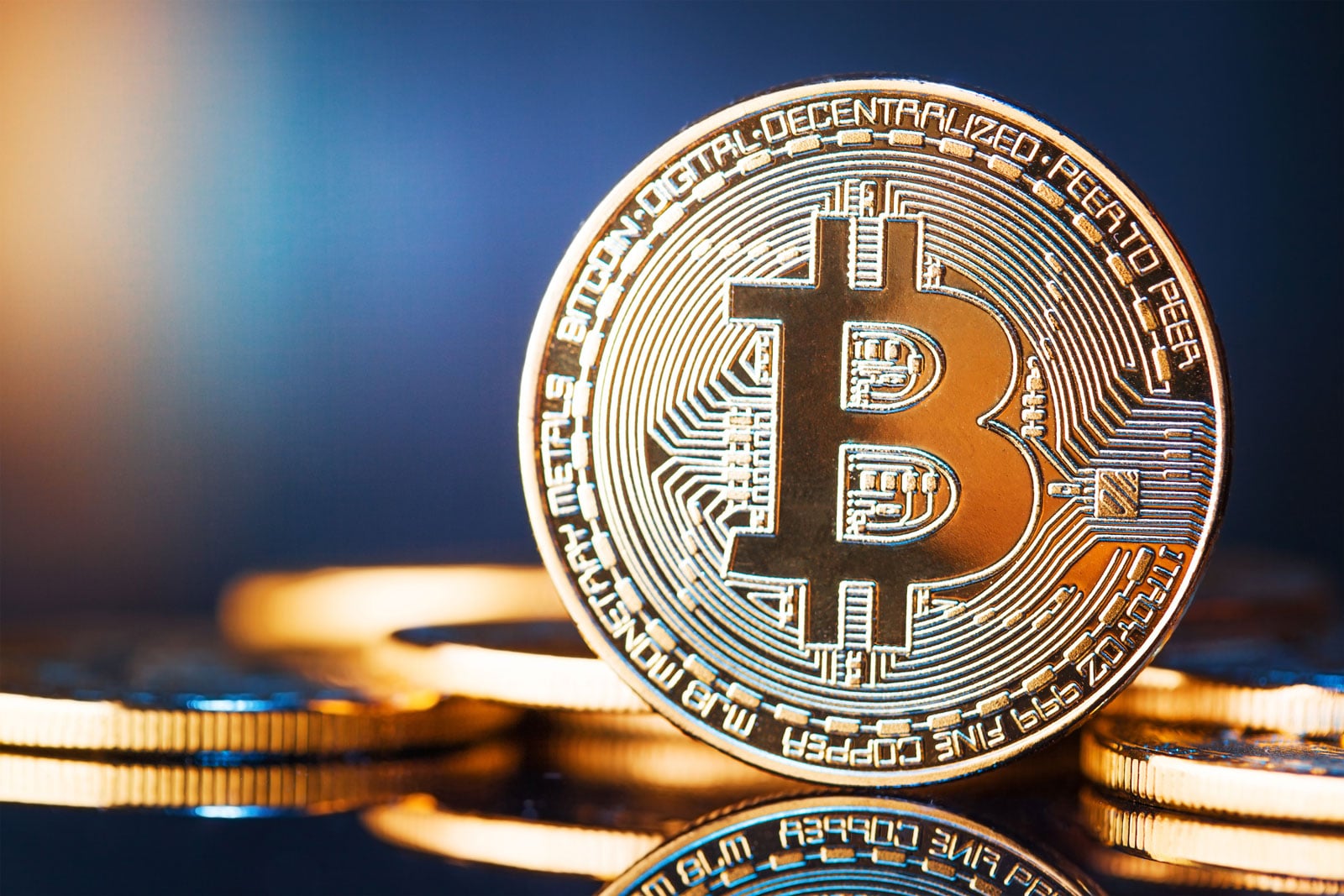
Photo: Daily News Egypt
The cryptocurrency market has experienced a remarkable transformation over the past several months, recovering from earlier periods of uncertainty and rebuilding investor confidence across multiple sectors. However, despite the progress achieved during the recovery phase, recent market activity suggests that momentum may be slowing as investors wait for new institutional catalysts capable of driving the next stage of growth.
While major cryptocurrencies continue to trade at relatively strong levels compared to previous market cycles, the pace of gains has moderated significantly. Traders, analysts, and institutional participants are now evaluating whether the market is entering a temporary consolidation period or preparing for another major upward movement. The answer may depend largely on the emergence of fresh developments capable of attracting substantial capital into the digital asset ecosystem.
The Recovery Phase Has Reached a Critical Point
Market recoveries rarely move in a straight line. After extended periods of strong gains, financial markets often enter phases where investors reassess valuations, analyze risks, and determine whether current prices accurately reflect future growth expectations.
The cryptocurrency industry appears to be experiencing such a phase. Following impressive rallies across Bitcoin, Ethereum, and several alternative digital assets, market participants have become more cautious. Trading activity remains healthy, but the enthusiasm that fueled earlier advances has become more measured.
This shift does not necessarily indicate weakness. Instead, it reflects a market searching for its next source of inspiration before committing to another significant move.
Institutional Investors Remain a Key Focus
One of the most important developments in modern cryptocurrency markets has been the growing involvement of institutional investors. Asset managers, investment funds, financial institutions, and publicly traded companies have increasingly recognized digital assets as a legitimate component of diversified investment strategies.
Institutional participation has brought greater liquidity, improved market credibility, and increased public awareness. As a result, many investors now view institutional activity as one of the primary forces capable of influencing market direction.
The current slowdown in recovery momentum has led market participants to closely monitor institutional behavior. New investment products, large scale capital allocations, and strategic corporate initiatives could provide the catalyst needed to reignite stronger growth.
Investor Sentiment Has Become More Selective
During the early stages of a market recovery, investors often display broad enthusiasm that lifts numerous assets simultaneously. As markets mature, however, participants typically become more selective regarding where they allocate capital.
This trend is increasingly visible throughout the cryptocurrency industry. Investors are placing greater emphasis on project fundamentals, technological innovation, ecosystem development, and long term utility rather than purely speculative opportunities.
As a result, capital is flowing more strategically across the market. Projects capable of demonstrating meaningful adoption and sustainable growth are attracting attention, while weaker initiatives face greater scrutiny.
This selective approach has contributed to the slower pace of overall market expansion.
Bitcoin Continues to Set the Tone
Bitcoin remains the dominant force within the cryptocurrency ecosystem and continues to serve as a benchmark for broader market sentiment. The asset's performance often influences investor confidence across alternative cryptocurrencies and blockchain related investments.
Recent price stability has been viewed positively by many analysts. However, some investors believe that stronger momentum from Bitcoin may be necessary to trigger a broader market acceleration.
Historically, periods of Bitcoin consolidation have often preceded significant market movements. Whether the current environment follows a similar pattern remains one of the most important questions facing investors today.
The Search for New Narratives
Every major cryptocurrency market cycle is typically influenced by powerful narratives that capture investor attention and attract fresh capital. Previous cycles were driven by decentralized finance, nonfungible tokens, blockchain gaming, and metaverse related projects.
Today, artificial intelligence, tokenized real world assets, decentralized infrastructure, and blockchain integration within traditional finance are emerging as potential growth themes.
Investors are actively evaluating which narratives possess the strongest long term potential. The absence of a clearly dominant trend has contributed to the market's slower pace, as participants wait for stronger signals regarding future opportunities.
Once a compelling narrative gains widespread acceptance, it could become a significant catalyst for renewed growth.
Market Liquidity Remains an Important Factor
Liquidity plays a crucial role in determining the speed and sustainability of market movements. When capital flows freely into financial markets, assets often experience stronger price appreciation and increased trading activity.
Current liquidity conditions remain supportive but not overwhelmingly bullish. Investors continue to deploy capital, yet many are maintaining a cautious approach while waiting for greater clarity regarding economic conditions and regulatory developments.
This balanced environment has helped stabilize prices but has also limited the aggressive buying activity often associated with explosive market rallies.
Regulatory Developments Influence Market Expectations
Regulation remains one of the most important factors affecting institutional participation in cryptocurrency markets. Financial institutions generally require clear legal frameworks before committing substantial resources to emerging asset classes.
Recent progress in various jurisdictions has improved confidence regarding the future of digital assets. However, investors continue to monitor regulatory developments closely, particularly in major financial markets.
Positive regulatory announcements could serve as a powerful catalyst for increased institutional involvement. Conversely, uncertainty or restrictive policies may slow the pace of adoption and investment.
As a result, regulation remains a central consideration for market participants evaluating future growth prospects.
Technology and Infrastructure Continue to Advance
Despite slower market momentum, innovation throughout the blockchain industry remains strong. Developers continue building scalable networks, improving security frameworks, and expanding the capabilities of decentralized applications.
Advancements in blockchain infrastructure often occur independently of short term market cycles. These improvements create the foundation necessary for future adoption and growth.
Institutional investors frequently evaluate technological progress when assessing long term opportunities. Continued innovation could therefore play an important role in attracting additional capital once market conditions become more favorable.
The ongoing development of blockchain technology suggests that industry fundamentals remain considerably stronger than in previous market cycles.
Why Investors Are Remaining Patient
Patience has become an increasingly common strategy among experienced market participants. Rather than chasing short term price movements, many investors are focusing on broader trends that could shape the future of the cryptocurrency industry.
This approach reflects the growing maturity of digital asset markets. Participants are paying closer attention to adoption metrics, institutional engagement, technological development, and regulatory progress.
By waiting for stronger catalysts before making major commitments, investors aim to reduce risk while positioning themselves for future opportunities.
This cautious optimism has become one of the defining characteristics of the current market environment.
Potential Catalysts That Could Reignite Momentum
Several developments could potentially accelerate market growth in the coming months. Increased institutional investment, major corporate adoption announcements, new financial products, regulatory clarity, and technological breakthroughs all represent possible catalysts.
Additionally, broader economic conditions may influence investor appetite for alternative assets. Improvements in global market sentiment could encourage greater capital flows into cryptocurrencies and blockchain related investments.
The cryptocurrency market has historically responded strongly to positive developments, particularly when they involve large scale institutional participation.
Looking Ahead
The current slowdown in recovery momentum does not necessarily indicate a reversal of the broader trend. Instead, it reflects a market undergoing a period of evaluation and consolidation following substantial gains.
Investors remain optimistic about the long term future of digital assets, but many are waiting for fresh catalysts capable of supporting the next phase of expansion. Institutional participation continues to be viewed as one of the most important drivers of future growth.
As new developments emerge, market sentiment could shift rapidly, creating opportunities for both investors and blockchain innovators.
The cryptocurrency market's recovery has reached an important stage where enthusiasm remains present but momentum has become more measured. Investors are increasingly focused on institutional catalysts, regulatory developments, and emerging technological trends that could shape the next chapter of industry growth.
While the pace of gains has slowed, the underlying foundations of the digital asset ecosystem remain strong. Continued innovation, growing institutional interest, and expanding adoption suggest that the market's long term trajectory remains positive. The coming months may determine whether the current consolidation phase serves as a pause before renewed expansion or the beginning of a more gradual period of growth.

Popular articles



Subscribe to unlock premium content
Imran Khan’s Economic Missteps Amid Political Chaos in Pakistan

The Philippines’ Digital Shift How Remittances and BPO Are Fueling Growth

Is the Era of Globalization Over or Just Evolving?
Imran Khan’s Economic Missteps Amid Political Chaos in Pakistan
The Philippines’ Digital Shift How Remittances and BPO Are Fueling Growth
Imran Khan’s Economic Missteps Amid Political Chaos in Pakistan