Crypto Hacking Losses Drop Sharply as Security Standards Mature

Crypto Hacking Losses Drop Sharply as Security Standards Mature
By
David Goldfarb
Last updated:
January 1, 2026
First Published:
April 25, 2026


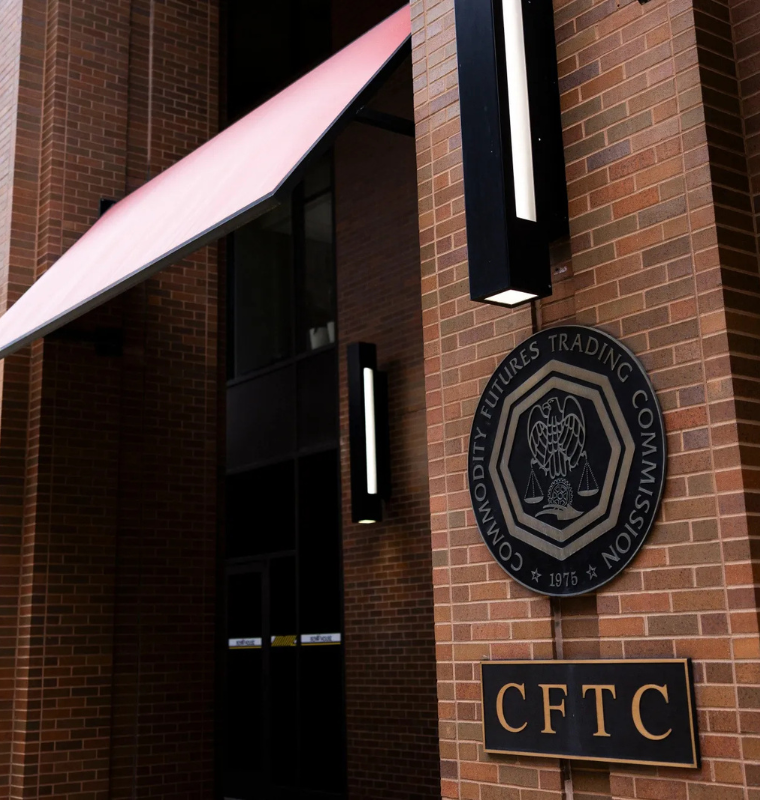
Photo: Tom's Hardware
An Industry Long Defined by Security Breaches
For much of its history the cryptocurrency industry struggled with frequent and costly hacking incidents. Major exchange breaches wallet exploits and smart contract vulnerabilities shaped public perception and discouraged mainstream adoption. Entering 2025 expectations remained cautious yet the year delivered a surprising outcome. Reported crypto hacking losses fell dramatically signaling a meaningful shift in how the industry approaches security.
Why 2025 Marked a Break from the Past
The decline in losses was not the result of chance or reduced activity. Instead it reflected years of accumulated learning hard lessons and systematic upgrades across the ecosystem. Companies that survived earlier exploit waves invested heavily in preventive controls rather than reactive fixes. Security evolved from an afterthought into a core operational priority.
Exchanges Raise the Baseline for Protection
Centralized exchanges played a critical role in this transformation. Multi layer custody systems cold storage segregation and real time monitoring became standard rather than exceptional. Many platforms also reduced exposure windows by limiting hot wallet balances and automating withdrawal risk scoring. These changes significantly reduced the impact of potential breaches.
Smart Contract Audits Become Non Negotiable
Decentralized finance protocols also matured. In earlier years rapid deployment often took precedence over rigorous testing. By 2025 independent audits formal verification and staged rollouts became the norm. Projects that skipped these steps faced immediate skepticism from users and liquidity providers creating strong incentives for better security discipline.
Insurance and Risk Transfer Gain Traction
Another factor behind reduced losses was the rise of crypto specific insurance solutions. More protocols and custodians secured coverage against smart contract failures and custody breaches. While insurance does not prevent hacks directly it reshaped behavior by forcing projects to meet higher underwriting standards before receiving coverage.
Improved Monitoring and Incident Response
Advanced blockchain analytics tools enabled faster detection of suspicious activity. Instead of discovering breaches days later teams now identify anomalies in real time. Rapid response protocols allowed exchanges and protocols to freeze assets coordinate with validators and limit attacker exit routes reducing the final financial damage.
Regulatory Pressure Accelerates Best Practices
Regulatory scrutiny also contributed to better outcomes. Compliance requirements pushed centralized platforms to strengthen internal controls governance and reporting standards. While regulation remains controversial its indirect effect on security maturity became increasingly visible throughout the year.
Attackers Face Higher Costs and Lower Rewards
As defenses improved the economics of hacking shifted. Attacks now require greater technical sophistication and yield lower expected returns. Many exploits that would have succeeded in earlier years are now quickly detected or mitigated. This discourages opportunistic attackers and raises the barrier to entry for malicious activity.
User Awareness Improves Across the Market
Retail users also became more security conscious. Hardware wallets permission management and skepticism toward unverified links reduced the success rate of social engineering attacks. Education initiatives by exchanges and wallets played a meaningful role in lowering user level losses.
A More Resilient Industry Takes Shape
The sharp drop in hacking losses during 2025 does not mean risks have disappeared. However it demonstrates that the cryptocurrency industry is capable of learning adapting and strengthening its infrastructure. Security is no longer a constant liability but an evolving competitive advantage for platforms that invest in it.

Popular articles



Subscribe to unlock premium content
Imran Khan’s Economic Missteps Amid Political Chaos in Pakistan

The Philippines’ Digital Shift How Remittances and BPO Are Fueling Growth

Is the Era of Globalization Over or Just Evolving?

Imran Khan’s Economic Missteps Amid Political Chaos in Pakistan
The Philippines’ Digital Shift How Remittances and BPO Are Fueling Growth
Imran Khan’s Economic Missteps Amid Political Chaos in Pakistan