
Crypto Daily Market Report March 2 2026
By
David Goldfarb
Last updated:
March 1, 2026
First Published:
March 1, 2026


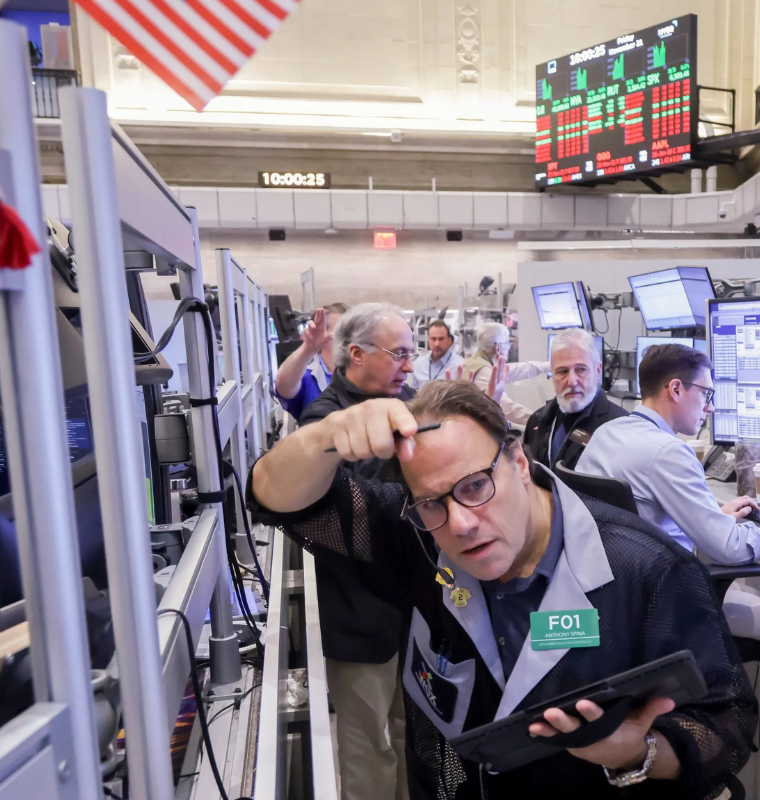
Photo: TechCrunch
Market Overview and Sentiment Breakdown
The cryptocurrency market opened the week under heavy pressure as investors reacted to a combination of macroeconomic uncertainty and persistent geopolitical tension. On March 2, 2026, aggregate market capitalization declined notably, reflecting broad based selling across large cap and mid cap digital assets. Sentiment indicators moved deeper into extreme fear territory, highlighting the fragile psychological state of participants who remain highly responsive to global risk narratives.
Bitcoin Struggles to Regain Technical Momentum
Bitcoin traded lower during early sessions, facing resistance at key technical levels that previously served as short term support. Price action revealed declining momentum on higher time frames, with trading volume concentrated around liquidation driven sell orders. Analysts observed that failure to reclaim recent consolidation ranges may expose the asset to further downside testing. At the same time, long term holders showed limited signs of capitulation, suggesting structural conviction remains intact beneath short term turbulence.
Ethereum Reflects Broader Risk Aversion
Ethereum mirrored the weakness seen in Bitcoin, with price sliding as decentralized finance activity slowed and on chain transaction volumes softened. Traders tracked support zones formed during prior accumulation phases. A decisive breakdown below these levels could invite additional technical selling. However, developers within the ecosystem continue advancing protocol upgrades, reinforcing the long horizon value proposition even amid near term price instability.
Altcoin Sector Faces Liquidity Compression
Mid capitalization tokens experienced sharper percentage declines compared to leading assets. Liquidity conditions tightened as market makers widened spreads in response to volatility. Tokens within gaming, artificial intelligence integration, and decentralized infrastructure sectors saw notable pullbacks. This pattern aligns with historical cycles in which speculative assets experience accelerated drawdowns during periods of macro stress. Portfolio rotation into perceived relative safety assets became increasingly evident.
Derivatives Market Signals Elevated Hedging Activity
Futures open interest declined as leveraged positions were unwound across major exchanges. Funding rates turned neutral to slightly negative, indicating an imbalance favoring short exposure. Options markets reflected elevated implied volatility, particularly for short dated contracts. Such dynamics typically emerge when participants seek downside protection. While these signals underscore heightened caution, they may also lay the groundwork for stabilization once excessive leverage is flushed from the system.
Macro Environment Adds Structural Pressure
Global financial markets continue to grapple with inflationary persistence and shifting central bank guidance. Digital assets remain sensitive to interest rate expectations, as higher yields in traditional markets can dampen speculative appetite. Currency fluctuations and equity index weakness amplified cross asset volatility. The interplay between macro data releases and crypto price reactions remains pronounced, reinforcing the view that digital assets are deeply integrated within broader capital markets.
On Chain Metrics Offer Mixed Signals
Blockchain analytics revealed steady long term holder balances despite falling spot prices. Exchange inflows increased modestly, often interpreted as a precursor to potential selling. However, stablecoin supply levels remained relatively stable, suggesting that sidelined capital has not fully exited the ecosystem. Network activity metrics indicated reduced transactional throughput compared to peak periods, yet overall structural participation remained resilient.
Institutional Flows and Capital Allocation Trends
Large asset managers maintained cautious positioning, favoring diversified exposure rather than concentrated speculative bets. Some institutional desks reportedly engaged in incremental accumulation at predefined support zones, viewing current levels as potential value entry points. Over the past year, institutional participation has grown more methodical, with risk management frameworks mitigating the impact of short lived volatility cycles.
Technical Outlook for the Short Term
Chart analysts emphasize the importance of reclaiming recent breakdown levels to shift momentum back toward neutral territory. Moving averages on daily time frames have begun to slope downward, reinforcing short term bearish bias. Oscillators signal oversold conditions in certain pairs, though oversold does not necessarily imply immediate reversal. Price stabilization often requires consolidation phases that rebuild confidence gradually.
Strategic Considerations for Market Participants
In an environment defined by rapid sentiment shifts, disciplined capital allocation becomes essential. Investors focused on long term thesis driven strategies may prioritize dollar cost averaging rather than attempting to time intraday fluctuations. Risk conscious traders monitor leverage ratios carefully, recognizing that elevated volatility can magnify both gains and losses. Diversification across asset classes remains a prudent approach when uncertainty dominates headlines.
Looking Ahead to Key Catalysts
Upcoming economic data releases, regulatory announcements, and ecosystem development milestones may serve as catalysts for directional movement. Market participants will watch for improvements in liquidity conditions and renewed institutional inflows as indicators of recovery. Until clearer signals emerge, caution is likely to define the tone of trading sessions throughout the week.
Popular articles



Subscribe to unlock premium content
Disney’s Timeless Magic and How the Entertainment Giant Continues to Shape Culture and Innovation

Imran Khan’s Economic Missteps Amid Political Chaos in Pakistan

The Philippines’ Digital Shift How Remittances and BPO Are Fueling Growth

Disney’s Timeless Magic and How the Entertainment Giant Continues to Shape Culture and Innovation
Imran Khan’s Economic Missteps Amid Political Chaos in Pakistan
Disney’s Timeless Magic and How the Entertainment Giant Continues to Shape Culture and Innovation