
Circle Launches cirBTC on Ethereum as Competition Heats Up in the Wrapped Bitcoin Market

Circle Launches cirBTC on Ethereum as Competition Heats Up in the Wrapped Bitcoin Market
By
Alina Sinclair
Last updated:
June 9, 2026
First Published:
June 9, 2026

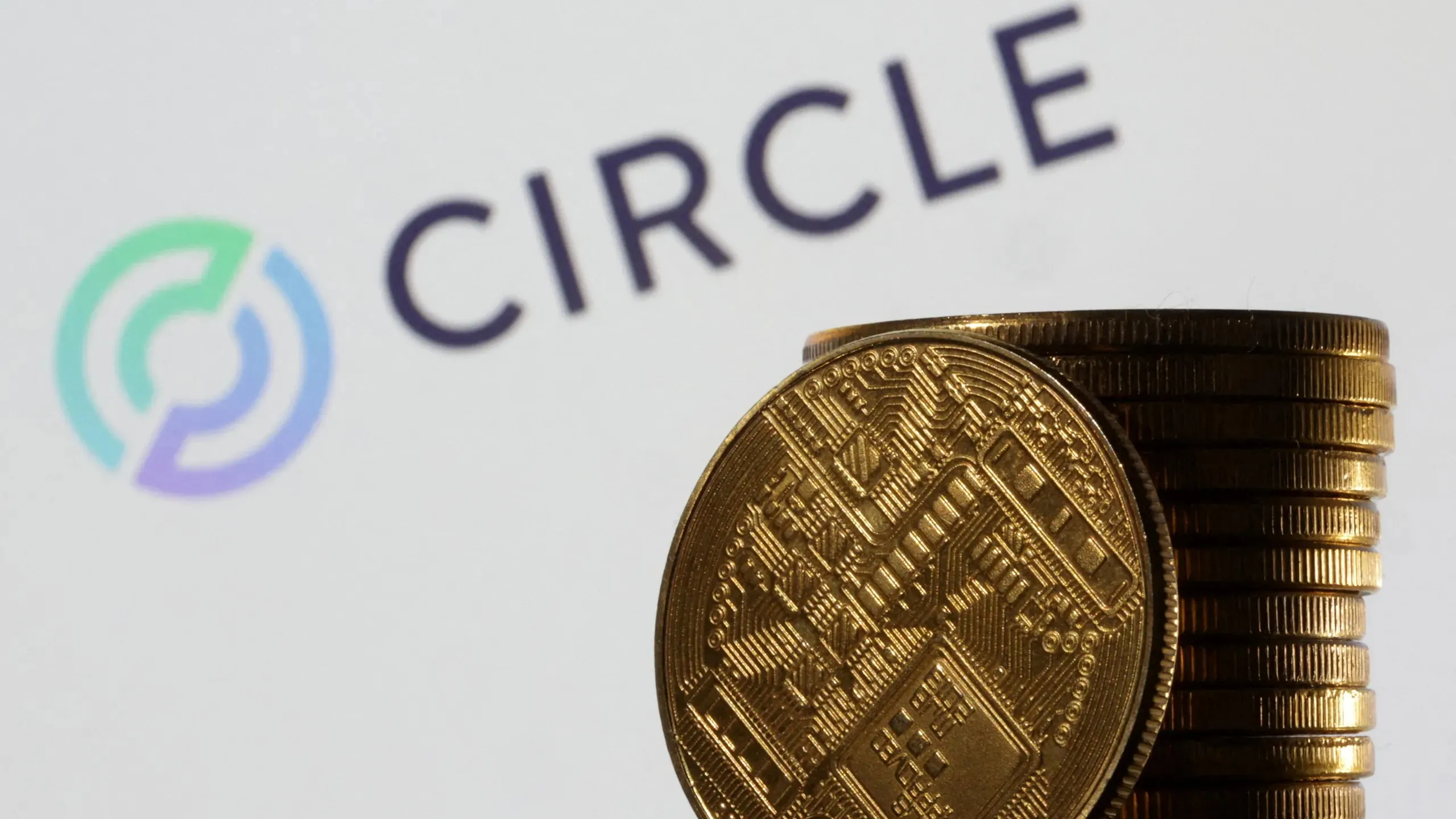
Photo: UA.NEWS
The cryptocurrency industry is entering a new phase of competition as Circle introduces cirBTC, a Bitcoin backed token designed to operate on the Ethereum network. The launch marks a significant development in the ongoing effort to connect Bitcoin's vast capital base with the rapidly expanding decentralized finance ecosystem. As blockchain networks continue to evolve, the ability to move value seamlessly across different ecosystems has become one of the industry's most important priorities.
Bitcoin remains the largest and most valuable cryptocurrency in the world. Despite its dominance, Bitcoin's native blockchain was not originally designed to support the wide variety of decentralized applications that have emerged in recent years. Ethereum, on the other hand, has become the leading platform for decentralized finance, smart contracts, and blockchain based innovation. This difference has created a growing demand for solutions that allow Bitcoin holders to participate in Ethereum's financial ecosystem without selling their Bitcoin holdings.
Circle's introduction of cirBTC represents a strategic effort to address this demand. The new token is designed to maintain a one to one relationship with Bitcoin while functioning within Ethereum's infrastructure. Through this approach, Bitcoin holders can potentially access lending protocols, decentralized exchanges, liquidity pools, and numerous other blockchain based financial services while maintaining exposure to Bitcoin's price movements.
The timing of the launch is particularly noteworthy. The cryptocurrency market has increasingly focused on interoperability and asset mobility over the past several years. Investors are no longer satisfied with keeping assets isolated within a single blockchain ecosystem. Instead, they seek opportunities to maximize utility, generate yield, and participate in multiple decentralized applications across various networks. Products like cirBTC aim to bridge these previously disconnected environments.
One of the most important aspects of the launch is its competitive positioning within the wrapped Bitcoin sector. For years, a small number of Bitcoin representations on Ethereum have dominated the market. These products have become essential infrastructure for decentralized finance applications because they allow Bitcoin liquidity to enter Ethereum based markets. Circle's entry introduces a new challenger into a space that has experienced limited competition despite its importance to the broader digital asset economy.
Competition within blockchain infrastructure often leads to faster innovation and improved user experiences. New entrants typically attempt to differentiate themselves through security frameworks, transparency measures, operational efficiency, and integration opportunities. As a result, the introduction of cirBTC could encourage the entire wrapped Bitcoin sector to enhance its offerings and provide additional benefits to users and institutional participants.
The launch also highlights Circle's broader ambitions within digital finance. The company has already established itself as a major participant in the stablecoin sector, where it plays a central role in facilitating blockchain based payments and liquidity. By expanding into Bitcoin tokenization, Circle is demonstrating a desire to broaden its influence beyond stablecoins and become a more comprehensive provider of blockchain financial infrastructure.
Institutional interest may play a crucial role in determining the success of cirBTC. Large investors increasingly seek regulated and transparent pathways into digital assets. Products that offer clear reserve management practices, reliable redemption mechanisms, and strong operational oversight are often viewed more favorably by institutions. If Circle can leverage its existing reputation and relationships, cirBTC may attract substantial attention from professional investors looking for efficient ways to deploy Bitcoin within decentralized finance markets.
The broader decentralized finance industry stands to benefit from additional Bitcoin liquidity entering the ecosystem. Bitcoin represents trillions of dollars in potential capital. Even a small percentage of that value becoming active within decentralized applications can significantly increase market depth, improve trading efficiency, and create new financial opportunities. Greater liquidity often leads to stronger ecosystems, which in turn attract developers, entrepreneurs, and additional users.
Security will remain one of the most closely watched factors as cirBTC gains adoption. The history of cryptocurrency includes numerous examples where cross chain infrastructure and tokenized assets became targets for sophisticated attacks. Users and institutions will likely evaluate the robustness of custody arrangements, smart contract architecture, auditing processes, and operational safeguards before committing significant capital to the new asset.
Another important consideration is how cirBTC may influence the future of blockchain interoperability. The industry increasingly recognizes that no single blockchain is likely to dominate every use case. Instead, a multi chain environment appears to be emerging where assets move fluidly between networks according to user needs. Bitcoin tokenization solutions represent a critical component of this vision because they unlock the value of the industry's largest asset across diverse ecosystems.
Developers are also expected to explore new applications that leverage Bitcoin liquidity through cirBTC. Decentralized lending platforms, derivatives protocols, automated market makers, and structured financial products could all benefit from increased access to Bitcoin based capital. As adoption grows, innovative use cases may emerge that further expand the utility of tokenized Bitcoin beyond its current role within decentralized finance.
The launch of cirBTC ultimately reflects a broader transformation taking place across the cryptocurrency industry. Blockchain networks are becoming increasingly interconnected, financial products are growing more sophisticated, and users expect greater flexibility in how they manage digital assets. Circle's move into the wrapped Bitcoin market underscores the belief that Bitcoin's future extends beyond simple value storage and into a more active role within decentralized financial systems.
As the market evaluates the performance of cirBTC in the coming months, industry observers will closely monitor adoption rates, liquidity growth, institutional participation, and ecosystem integrations. Whether it becomes a dominant player or simply adds healthy competition to the sector, the launch represents another step toward a more interconnected and efficient blockchain economy. For investors, developers, and cryptocurrency enthusiasts alike, the evolution of Bitcoin liquidity on Ethereum remains one of the most important trends shaping the future of digital finance.

Popular articles



Subscribe to unlock premium content
Imran Khan’s Economic Missteps Amid Political Chaos in Pakistan

The Philippines’ Digital Shift How Remittances and BPO Are Fueling Growth

Is the Era of Globalization Over or Just Evolving?

Imran Khan’s Economic Missteps Amid Political Chaos in Pakistan
The Philippines’ Digital Shift How Remittances and BPO Are Fueling Growth
Imran Khan’s Economic Missteps Amid Political Chaos in Pakistan