CFTC Launches Digital Assets Pilot for BTC, ETH, and USDC Collateral

CFTC Launches Digital Assets Pilot for BTC, ETH, and USDC Collateral
By
David Goldfarb
Last updated:
December 11, 2025
First Published:
April 25, 2026

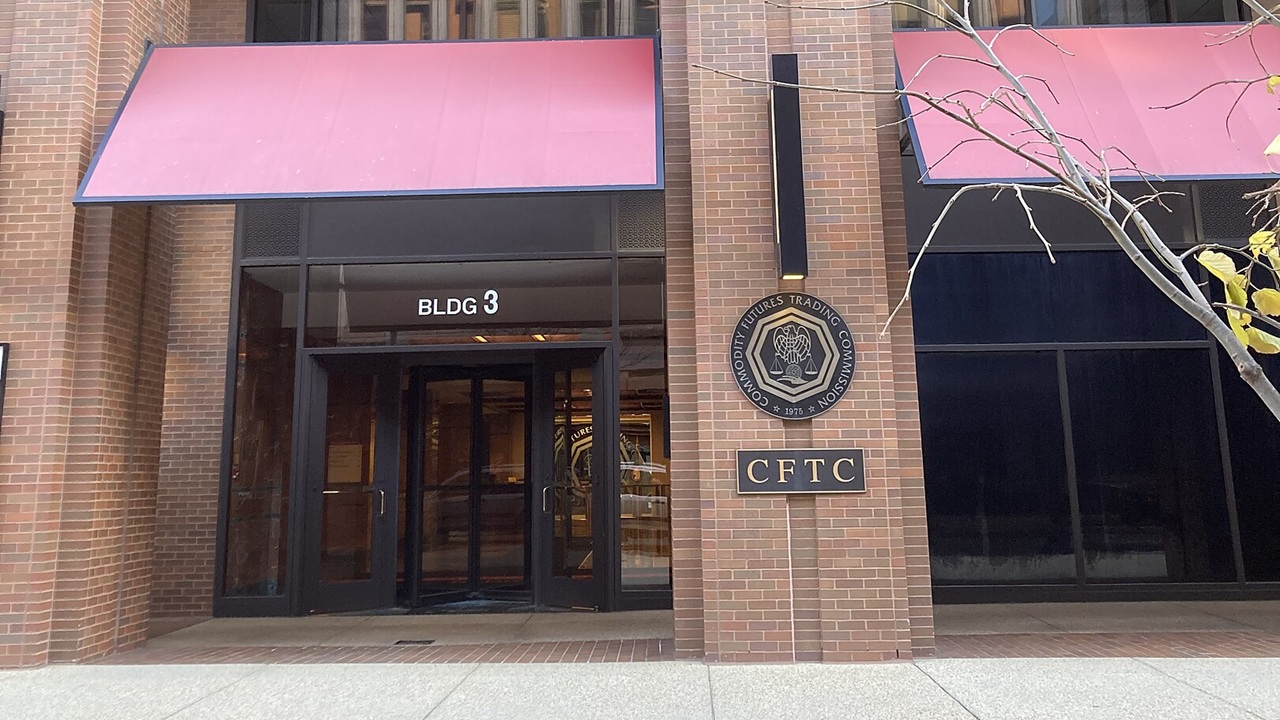
Introducing a regulated pilot for digital asset collateral
The United States Commodity Futures Trading Commission has initiated a groundbreaking pilot program that allows Bitcoin, Ethereum, and USDC to be used as collateral for certain financial products. This move reflects a growing recognition of digital assets as legitimate components of structured finance and aims to explore their potential while maintaining regulatory oversight. The pilot creates a controlled environment to test risk management strategies and operational frameworks.
Expanding the functional role of digital assets
Traditionally, cryptocurrencies were treated primarily as speculative instruments or store of value. With this pilot, BTC, ETH, and USDC can now serve functional roles similar to traditional assets such as bonds or cash equivalents in collateralized arrangements. This expansion enables market participants to leverage digital assets in more sophisticated financial operations while adhering to regulatory standards.
Enhancing liquidity and market efficiency
By allowing these digital assets to act as collateral, the pilot supports greater liquidity in derivative markets and other structured financial instruments. Exchanges and institutional participants can engage with crypto collateral more confidently, knowing that regulatory parameters define acceptable usage. This step may reduce inefficiencies that previously limited participation in certain market segments.
Strengthening institutional confidence in digital assets
Institutional adoption has often been hampered by concerns regarding regulatory clarity and operational risk. The CFTC pilot addresses these concerns by creating a formal framework for the use of widely recognized cryptocurrencies in collateralized trading. This encourages banks, hedge funds, and other large investors to explore digital assets within their existing compliance models, potentially opening a new wave of institutional activity.
Risk management and compliance frameworks
The pilot program also emphasizes robust risk management protocols. Market participants must demonstrate that they can accurately value, monitor, and safeguard digital assets used as collateral. Custody solutions, automated reporting, and real time audit mechanisms are central to the pilot’s design, ensuring that exposure is carefully tracked and operational risk is minimized.
Implications for derivatives and structured products
With cryptocurrencies now eligible as collateral, a broader range of derivative products can be explored. Futures, options, and other structured instruments may incorporate BTC, ETH, or USDC in their margining structures. This could lead to the creation of innovative financial products that blend traditional finance techniques with blockchain based assets, increasing market diversity.
Encouraging innovation within regulatory boundaries
One of the pilot’s core objectives is to foster innovation while maintaining regulatory safeguards. Developers and financial engineers can test new mechanisms for collateralization, settlement, and risk distribution under monitored conditions. This controlled experimentation enables innovation to thrive without exposing participants to undue systemic risk.
Strengthening the credibility of stablecoins
USDC’s inclusion as collateral highlights the growing role of stablecoins in regulated markets. Its price stability and transparent reserve structure make it an ideal candidate for collateralized operations. The pilot demonstrates that stablecoins can function as reliable instruments for liquidity management and market participation, reinforcing their position in the broader financial ecosystem.
Preparing for future regulatory integration
Lessons learned from the pilot are expected to inform future regulations and guidelines for digital asset markets. The CFTC aims to develop best practices and standardized frameworks for integrating cryptocurrencies into mainstream financial processes. These insights will be valuable for market participants, regulators, and developers alike as digital assets continue to evolve in sophistication and scale.
Long term impact on digital asset adoption
The pilot program represents a critical step toward bridging traditional finance and the digital asset economy. By legitimizing BTC, ETH, and USDC as collateral, the initiative signals a new era in which cryptocurrencies can play active roles in regulated financial systems. Over time, this may increase adoption, deepen liquidity, and encourage broader participation from both institutional and retail investors, strengthening the market ecosystem.

Popular articles



Subscribe to unlock premium content
Imran Khan’s Economic Missteps Amid Political Chaos in Pakistan

The Philippines’ Digital Shift How Remittances and BPO Are Fueling Growth

Is the Era of Globalization Over or Just Evolving?

Imran Khan’s Economic Missteps Amid Political Chaos in Pakistan
The Philippines’ Digital Shift How Remittances and BPO Are Fueling Growth
Imran Khan’s Economic Missteps Amid Political Chaos in Pakistan