
Bitcoin Surges Beyond 82 Thousand Dollars as Global Optimism Fuels Fresh Crypto Momentum

Bitcoin Surges Beyond 82 Thousand Dollars as Global Optimism Fuels Fresh Crypto Momentum
By
Augusta Parker
Last updated:
May 7, 2026
First Published:
May 7, 2026

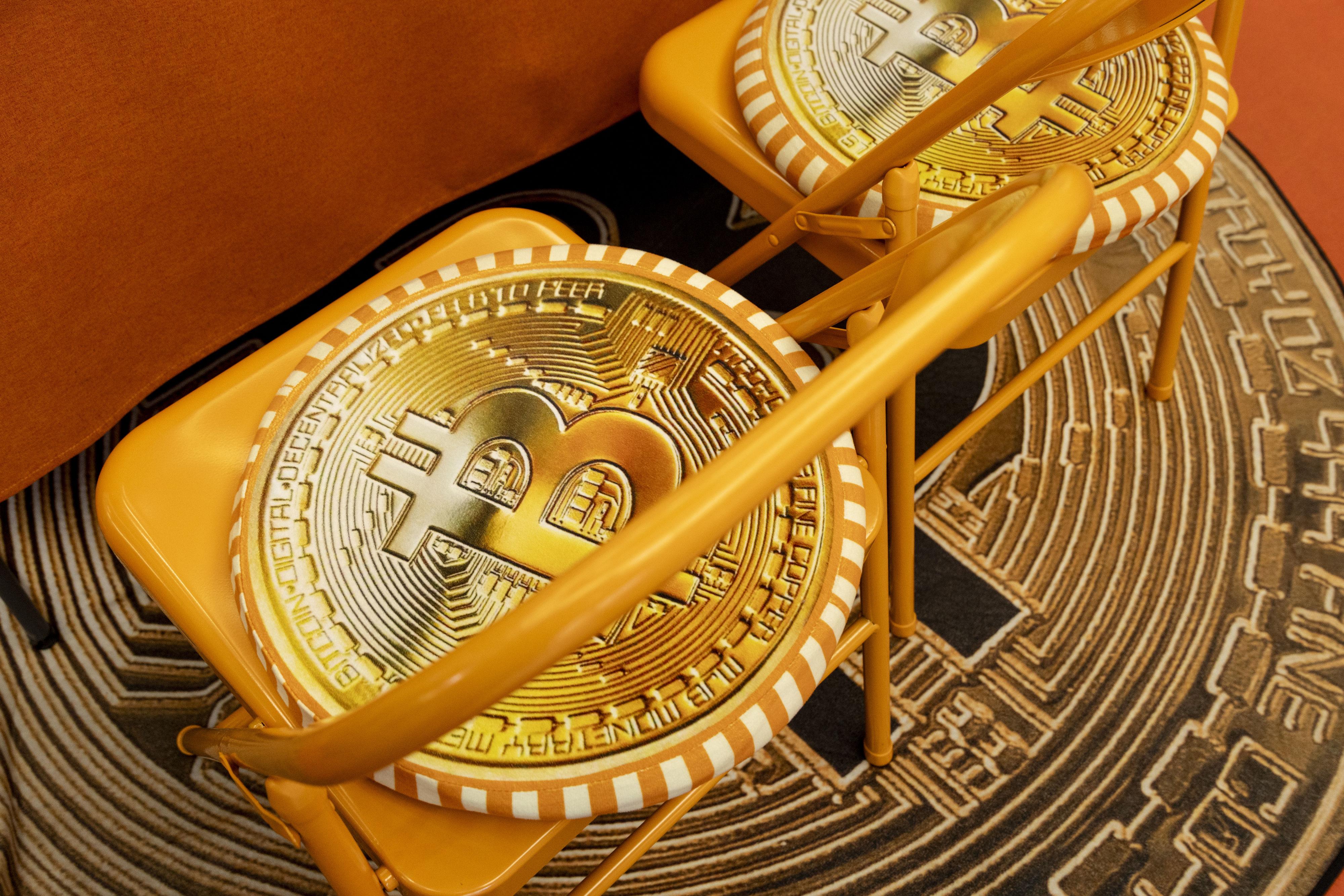
Photo: Business Standard
Bitcoin Reignites Market Excitement After Weeks of Consolidation
Bitcoin captured global financial attention once again after surging above the 82 thousand dollar level during a dramatic rally that energized the broader cryptocurrency market. The sudden upward movement came after renewed optimism surrounding potential diplomatic progress between the United States and Iran, encouraging investors to return to higher risk assets across global markets.
The rally marked one of the strongest short term recoveries seen in recent months and triggered a wave of renewed enthusiasm throughout the digital asset industry. Traders who had remained cautious during previous weeks quickly reentered the market as bullish sentiment spread across exchanges and investment platforms worldwide.
Although Bitcoin later experienced moderate pullbacks after touching local highs, the move reinforced growing confidence that institutional demand and macroeconomic optimism continue supporting the long term strength of cryptocurrency markets in 2026.
Geopolitical Developments Shift Investor Sentiment
Financial markets around the world often react sharply to geopolitical uncertainty, and cryptocurrency has increasingly become part of that broader global investment ecosystem. Recent discussions surrounding potential diplomatic progress between the United States and Iran created a more optimistic environment for investors seeking exposure to growth oriented assets.
When fears surrounding international conflict begin to ease, traders frequently move capital away from defensive positions and back into assets with higher volatility and stronger growth potential. Bitcoin benefited significantly from this shift in sentiment.
The rally demonstrated how deeply interconnected cryptocurrency markets have become with global macroeconomic developments. Unlike earlier years when crypto sometimes moved independently, modern digital asset markets are now influenced heavily by international politics, interest rate expectations, and broader financial risk appetite.
Short Sellers Caught Off Guard During Rapid Price Move
One of the most important factors behind the speed of Bitcoin’s rally was the liquidation of short positions across major exchanges. Many traders had positioned themselves for continued weakness or sideways movement, expecting Bitcoin to remain trapped below key resistance levels.
As prices accelerated upward, those bearish positions began collapsing rapidly. Traders who borrowed funds to bet against Bitcoin were forced to close positions automatically as losses mounted. This process created a chain reaction known as a short squeeze.
The forced buying pressure intensified the rally even further, pushing Bitcoin higher within a very short period of time. Massive liquidation activity added fuel to the market momentum and contributed to heightened volatility across the entire crypto sector.
Institutional Investors Continue Accumulating Bitcoin
Another major driver behind Bitcoin’s resilience in 2026 is the ongoing participation of institutional investors. Large asset managers, hedge funds, and financial firms continue increasing their exposure to digital assets despite periodic market corrections.
Institutional inflows into Bitcoin related investment products have remained relatively stable throughout the year. Many professional investors now view Bitcoin as a long term macro asset rather than simply a speculative technology experiment.
This changing perception has strengthened Bitcoin’s position within global finance. Institutional buyers often enter the market gradually and maintain holdings for extended periods, helping create stronger price support during periods of volatility.
The latest rally reinforced the idea that institutional demand continues acting as a stabilizing force even when retail participation fluctuates.
Retail Traders Return as Momentum Builds
While institutions remain important, retail enthusiasm also returned rapidly during the rally. Social media platforms, trading communities, and crypto influencers quickly amplified discussions surrounding Bitcoin’s breakout above 82 thousand dollars.
Retail traders who had remained on the sidelines began reentering the market in fear of missing further gains. Trading activity surged across major exchanges as smaller investors attempted to capitalize on the renewed bullish momentum.
This pattern has repeated throughout Bitcoin’s history. Rapid upward price movements often generate psychological momentum that attracts additional buyers. Fear of missing out remains one of the most powerful emotional drivers within cryptocurrency markets.
The renewed retail participation also boosted interest in alternative cryptocurrencies, many of which experienced sharp gains alongside Bitcoin.
Altcoins Experience Broad Market Recovery
Bitcoin’s breakout created positive momentum across the wider digital asset ecosystem. Major alternative cryptocurrencies posted strong recoveries as investor confidence improved dramatically within a short timeframe.
Ethereum, Solana, Avalanche, and several artificial intelligence related blockchain projects experienced increased trading volumes during the rally. Meme coins and speculative assets also saw renewed activity as traders searched for higher potential returns.
Historically, Bitcoin rallies often act as catalysts for broader crypto market expansion. When Bitcoin demonstrates strength, traders become more willing to move capital into smaller and more volatile assets.
This interconnected movement highlights Bitcoin’s continued role as the primary market leader within the cryptocurrency ecosystem.
Analysts Debate Whether a New Bull Cycle Has Begun
The sudden rally has intensified debate among analysts regarding the future direction of the crypto market. Some experts believe the move above 82 thousand dollars could represent the beginning of a new bullish expansion phase.
Supporters of this view point to growing institutional demand, expanding regulatory clarity, and improving global liquidity conditions as reasons for optimism. They argue that Bitcoin’s long term adoption trend remains intact despite periodic corrections.
Other analysts remain more cautious. They warn that geopolitical optimism can shift rapidly and emphasize that macroeconomic uncertainty still exists in several major economies. Some believe Bitcoin may continue experiencing sharp volatility before establishing a clear long term direction.
Despite differing opinions, most market participants agree that the cryptocurrency market remains highly sensitive to global economic developments.
Exchange Activity Reveals Changing Market Dynamics
The latest rally also highlighted how trading behavior within crypto markets has evolved over recent years. Derivatives trading volumes increased sharply during the move, demonstrating the growing influence of leveraged financial products.
Professional trading firms now play a much larger role in market activity than during earlier crypto cycles. Algorithmic trading systems, options markets, and institutional liquidity providers have transformed the structure of digital asset trading.
This evolution has made the market more sophisticated but also more reactive to rapid price movements. Large liquidations and automated trading strategies can accelerate volatility in both directions.
Exchanges reported significantly higher activity levels during Bitcoin’s climb above 82 thousand dollars, reflecting renewed trader engagement across global markets.
Global Economic Conditions Continue Supporting Crypto
Beyond short term geopolitical optimism, broader economic conditions are also contributing to sustained interest in digital assets. Investors continue monitoring inflation trends, central bank policy decisions, and currency market fluctuations.
Many cryptocurrency supporters argue that Bitcoin’s fixed supply and decentralized structure make it attractive during periods of long term monetary uncertainty. As governments around the world manage debt pressures and economic slowdowns, some investors continue viewing Bitcoin as an alternative financial asset.
This narrative has become increasingly influential among institutional investors seeking portfolio diversification. While Bitcoin remains volatile, its role within global investment strategies continues expanding.
Market Volatility Remains Part of the Crypto Landscape
Despite the excitement surrounding Bitcoin’s rally, experienced traders understand that volatility remains a defining characteristic of cryptocurrency markets. Sharp upward movements are often followed by rapid corrections as traders secure profits and reassess market conditions.
The latest surge above 82 thousand dollars may strengthen bullish confidence, but it also increases expectations for continued momentum. If macroeconomic conditions change or investor sentiment weakens, price swings could become even more dramatic.
Long term investors generally focus less on short term fluctuations and more on broader adoption trends. However, traders continue navigating a market environment where sentiment can change within hours.
Bitcoin’s Momentum Reflects a Maturing Industry
The recent rally demonstrated that cryptocurrency markets are no longer isolated from global finance. Bitcoin now reacts to geopolitical developments, institutional investment flows, and macroeconomic expectations much like traditional financial assets.
This growing integration reflects the maturation of the digital asset industry. Cryptocurrency has evolved from a niche technology experiment into a significant component of the modern financial landscape.
Bitcoin’s movement above 82 thousand dollars represents more than a temporary trading event. It highlights the continued transformation of crypto into a globally recognized asset class capable of attracting institutional capital, retail enthusiasm, and international attention simultaneously.
As 2026 continues unfolding, investors around the world will be watching closely to see whether Bitcoin can maintain its momentum and potentially establish new historic highs in the months ahead.
Popular articles



Subscribe to unlock premium content
Imran Khan’s Economic Missteps Amid Political Chaos in Pakistan

The Philippines’ Digital Shift How Remittances and BPO Are Fueling Growth

Is the Era of Globalization Over or Just Evolving?
Imran Khan’s Economic Missteps Amid Political Chaos in Pakistan
The Philippines’ Digital Shift How Remittances and BPO Are Fueling Growth
Imran Khan’s Economic Missteps Amid Political Chaos in Pakistan


