

Bitcoin Sees Brief Uptick Following Federal Announcement
By
Leah Rosenfeld
Last updated:
March 18, 2026
First Published:
March 18, 2026

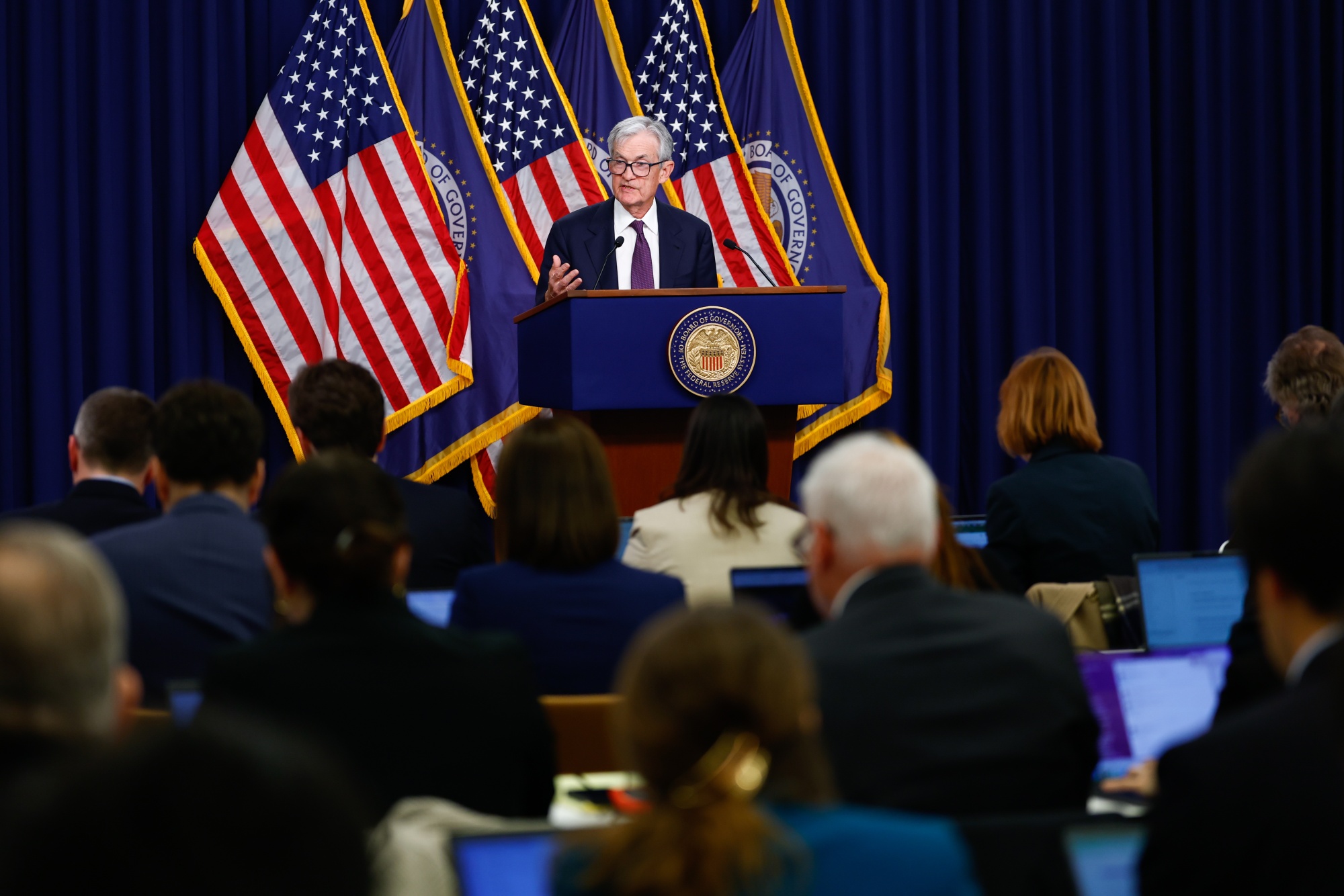
Photo: Bloomberg News
After a period of decline, Bitcoin experienced a modest surge in value following the recent Federal Reserve announcement. The increase was temporary, reflecting both optimism and uncertainty in the cryptocurrency market. Investors are carefully weighing policy signals against broader economic conditions to determine their next moves.
Short Term Gains Amid Market Hesitation
The uptick in Bitcoin’s price was largely driven by short term traders reacting to immediate news. While the increase provided a boost to market sentiment, analysts note that such movements are often fleeting in highly volatile environments. Investors are treating the rise as an opportunity to assess positions rather than a definitive trend reversal.
Policy Signals Influence Investor Behavior
The Federal Reserve’s announcements continue to play a critical role in shaping market expectations. Decisions regarding interest rates, liquidity provisions, and economic guidance affect both traditional and digital assets. In Bitcoin’s case, the absence of unexpected policy shifts created a mixed response, triggering cautious optimism rather than aggressive buying.
Altcoins Mirror Bitcoin’s Movement
Ethereum, XRP, and other major cryptocurrencies mirrored Bitcoin’s brief uptick, highlighting the interconnected nature of the market. When the leading digital asset moves, it often sets the tone for altcoins, amplifying the overall market impact. This synchronized movement underscores the influence of market psychology in cryptocurrency trading.
Profit Taking Moderates Gains
Despite the short term rise, profit taking by traders limited further price appreciation. Investors who had previously entered positions during earlier gains often chose to secure profits, creating a natural resistance to sustained upward movement. This pattern is typical in markets experiencing high volatility.
Market Liquidity Plays a Role
Liquidity conditions significantly influence the magnitude of price movements. During periods of lower trading volume, even modest buying activity can cause noticeable price changes. Bitcoin’s brief surge was partially driven by such dynamics, highlighting the sensitivity of the market to trading activity.
Institutional Participation Remains Measured
Institutional investors continue to engage with the cryptocurrency market but are increasingly cautious. Their decisions often depend on macroeconomic stability and regulatory clarity. In this instance, institutions appeared to respond selectively, contributing to the moderate nature of Bitcoin’s rebound.
Short Term Volatility Versus Long Term Potential
While short term volatility can create uncertainty, it does not alter the long term fundamentals of Bitcoin. Factors such as adoption growth, network security, and technological development continue to provide strong support for future value. Investors remain focused on these fundamentals even during transient price swings.
Psychological Factors Drive Market Reaction
Investor sentiment and psychology play a significant role in market movements. Fear of missing opportunities and concerns about potential losses create rapid trading behavior. Bitcoin’s brief uptick reflects this interplay, as traders respond to news with quick adjustments in positions.
Navigating Uncertainty
Market participants are increasingly aware of the need for disciplined strategies in volatile conditions. Risk management, portfolio diversification, and informed decision making have become essential for navigating short term fluctuations. This cautious approach is influencing the overall behavior of both retail and institutional investors.
Looking Ahead
The recent Bitcoin rebound serves as a reminder of the cryptocurrency market’s sensitivity to policy announcements and macroeconomic trends. While the immediate surge was modest, it demonstrates that investor attention remains high. Continued monitoring of market conditions and economic developments will be critical for predicting future movements and sustaining long term growth.
Popular articles



Subscribe to unlock premium content
Disney’s Timeless Magic and How the Entertainment Giant Continues to Shape Culture and Innovation

Imran Khan’s Economic Missteps Amid Political Chaos in Pakistan

The Philippines’ Digital Shift How Remittances and BPO Are Fueling Growth

Disney’s Timeless Magic and How the Entertainment Giant Continues to Shape Culture and Innovation
Imran Khan’s Economic Missteps Amid Political Chaos in Pakistan
Disney’s Timeless Magic and How the Entertainment Giant Continues to Shape Culture and Innovation