Bitcoin Retreats from Recent Highs as Geopolitical Pressure Sparks Market Pullback

Bitcoin Retreats from Recent Highs as Geopolitical Pressure Sparks Market Pullback
By
David Goldfarb
Last updated:
April 23, 2026
First Published:
April 23, 2026

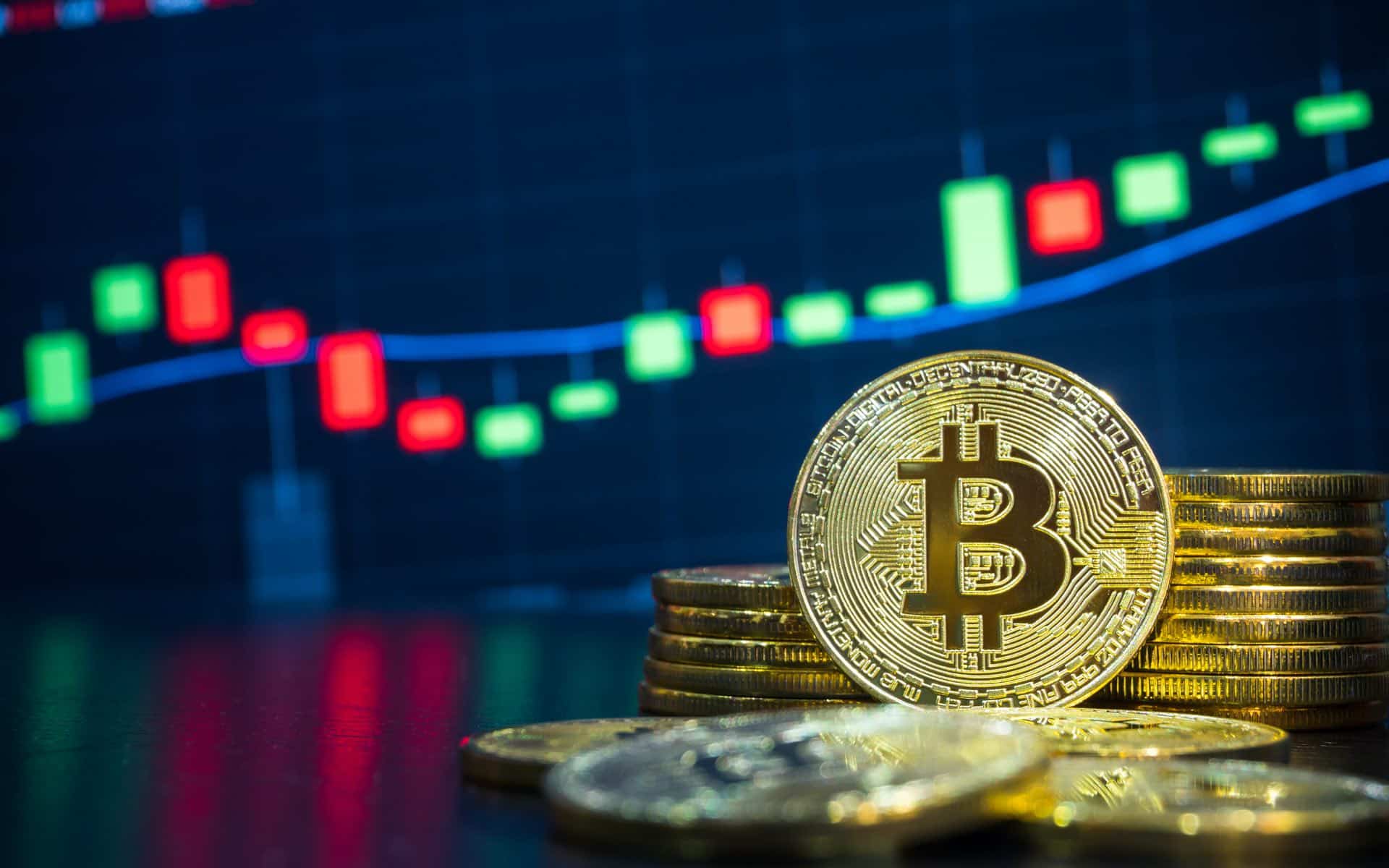
Photo: CoinGape
Bitcoin has pulled back from its recent highs as global geopolitical tensions inject uncertainty into financial markets. After a strong rally that brought prices close to record territory, the cryptocurrency has entered a corrective phase driven by cautious investor behavior and broader risk aversion across asset classes.
The shift in momentum reflects how sensitive digital assets have become to global macro conditions. While Bitcoin was once viewed as relatively detached from traditional markets, it is now increasingly influenced by geopolitical developments, monetary expectations, and investor sentiment across equities and commodities.
One of the key drivers of the recent pullback is the renewed tension in multiple global regions, which has prompted investors to reduce exposure to high volatility assets. In times of uncertainty, capital often flows toward safer instruments, leading to temporary outflows from crypto markets.
This change in sentiment has been visible across major cryptocurrencies, not just Bitcoin. Assets such as Ethereum and other large networks have also experienced downward pressure, suggesting a broad based risk off move rather than a Bitcoin specific event.
Trading activity shows that many short term participants have begun locking in profits after the recent rally. This profit taking has added additional selling pressure, contributing to the downward movement and reinforcing the corrective phase in the market.
Despite the pullback, institutional investors remain active, although their behavior is more measured. Instead of aggressive accumulation, many large investors appear to be waiting for clearer macroeconomic signals before increasing exposure further. This cautious stance is helping to stabilize the market rather than accelerate declines.
Liquidity conditions in the market remain relatively strong, which has prevented sharper drops. Even during periods of selling pressure, sufficient buying interest continues to emerge at lower levels, suggesting that confidence in the long term outlook for Bitcoin remains intact.
Technical indicators also suggest that the market is undergoing a natural cooling phase after a strong upward trend. Rapid rallies are often followed by consolidation or correction as prices adjust to sustainable levels and speculative excess is reduced.
Retail investor sentiment has also shifted slightly toward caution. Many smaller participants who entered during the rally are now reassessing their positions, leading to reduced trading intensity and lower momentum in the short term.
Even with the current decline, Bitcoin continues to trade at significantly elevated levels compared to previous cycles. This indicates that the broader uptrend remains structurally intact, even if temporary corrections occur along the way.
Market analysts generally view this phase as a healthy adjustment rather than a reversal. Pullbacks in strong bull cycles often serve to reset leverage, stabilize pricing, and create opportunities for renewed accumulation.
Looking ahead, the trajectory of Bitcoin will depend heavily on how geopolitical conditions evolve and whether macroeconomic stability returns. If uncertainty eases, the market could quickly regain upward momentum. However, if tensions persist, volatility may remain elevated across the entire cryptocurrency sector.

Popular articles



Subscribe to unlock premium content
Disney’s Timeless Magic and How the Entertainment Giant Continues to Shape Culture and Innovation

Imran Khan’s Economic Missteps Amid Political Chaos in Pakistan

The Philippines’ Digital Shift How Remittances and BPO Are Fueling Growth

Disney’s Timeless Magic and How the Entertainment Giant Continues to Shape Culture and Innovation
Imran Khan’s Economic Missteps Amid Political Chaos in Pakistan
Disney’s Timeless Magic and How the Entertainment Giant Continues to Shape Culture and Innovation