Bitcoin Remains Core Asset as ETF Expansion Drives Deeper Integration with Traditional Finance

Bitcoin Remains Core Asset as ETF Expansion Drives Deeper Integration with Traditional Finance
By
Leah Rosenfeld
Last updated:
March 25, 2026
First Published:
March 25, 2026

Getty Images
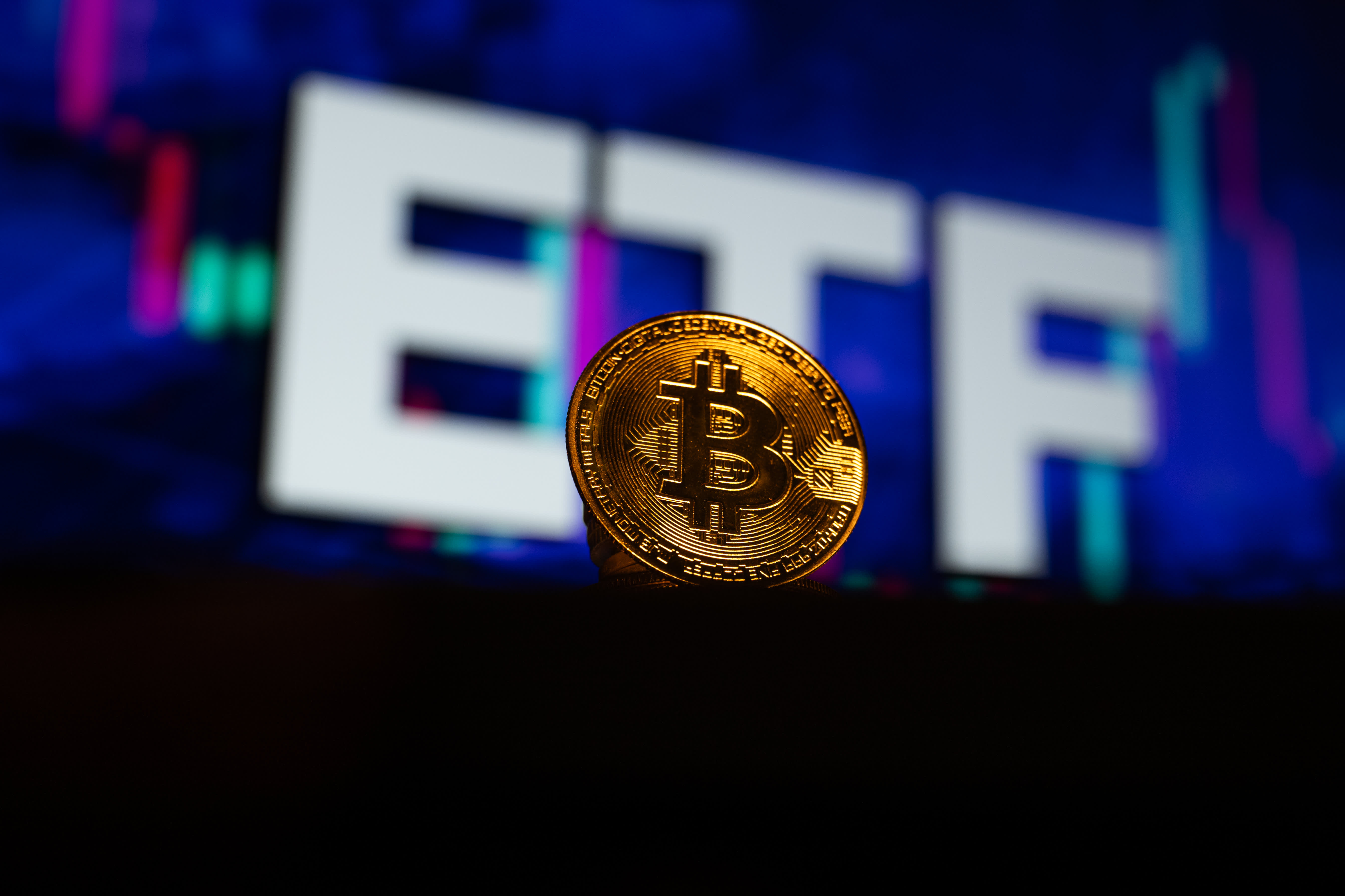
Bitcoin is steadily reinforcing its position as the foundational asset of the cryptocurrency market, and its influence is expanding beyond digital ecosystems into the core of traditional finance. The rapid growth of exchange traded funds tied to Bitcoin is playing a central role in this transformation, creating new pathways for capital to flow seamlessly between conventional markets and decentralized assets.
The emergence of Bitcoin based ETFs has simplified access for institutional and retail investors alike. Instead of navigating complex crypto exchanges or managing private keys, investors can now gain exposure through familiar financial instruments. This accessibility has significantly lowered the barrier to entry, encouraging broader participation from investors who were previously hesitant.
As ETF offerings expand across major financial markets, Bitcoin is increasingly being treated as a mainstream asset class. It is no longer confined to niche portfolios or speculative trading strategies. Instead, it is being incorporated into asset allocation models alongside equities, commodities, and fixed income instruments. This integration reflects a growing recognition of Bitcoin’s role as both a store of value and a strategic investment.
One of the most notable impacts of ETF driven demand is the consistency it brings to market inflows. Unlike retail driven cycles that can be highly volatile, institutional investments through ETFs tend to follow more structured patterns. This contributes to greater price stability and reduces the likelihood of extreme market swings, making Bitcoin more attractive to conservative investors.
The relationship between Bitcoin and traditional financial markets is also evolving. Correlations with major indices are being closely monitored as Bitcoin becomes more intertwined with global economic trends. While it still retains unique characteristics, its behavior is increasingly influenced by macroeconomic factors such as interest rates, inflation expectations, and currency movements.
Financial institutions are adapting to this shift by developing new products and services centered around digital assets. Banks, asset managers, and brokerage firms are expanding their offerings to include crypto related investment solutions. This not only enhances market infrastructure but also legitimizes Bitcoin as a core component of modern finance.
Another dimension of this integration is the growing acceptance of Bitcoin as collateral and a reserve asset. Some institutions are exploring ways to incorporate it into treasury strategies, recognizing its potential to preserve value over the long term. This development further solidifies its status as more than just a speculative instrument.
Retail investors are benefiting from these changes as well. The availability of regulated investment options provides a safer and more transparent environment for participation. This reduces the risks associated with unregulated platforms and increases confidence among individuals entering the market.
Despite the positive momentum, challenges remain. Regulatory differences across regions can create inconsistencies in how ETFs are structured and managed. Additionally, the increasing influence of traditional finance raises questions about whether Bitcoin can maintain its decentralized ethos while becoming more integrated into established systems.
Market analysts suggest that this phase represents a critical turning point for the cryptocurrency industry. The blending of digital assets with traditional finance is not a temporary trend but a long term evolution. As ETFs continue to grow and attract capital, Bitcoin’s role is likely to expand further, shaping the future of global investment strategies.
In conclusion, Bitcoin’s position as a core asset is being strengthened by the expansion of ETFs and the deepening connection with traditional financial markets. This convergence is redefining how investors perceive and utilize digital assets, marking a new era in the ongoing development of the financial landscape.

Popular articles



Subscribe to unlock premium content
Disney’s Timeless Magic and How the Entertainment Giant Continues to Shape Culture and Innovation

Imran Khan’s Economic Missteps Amid Political Chaos in Pakistan

The Philippines’ Digital Shift How Remittances and BPO Are Fueling Growth

Disney’s Timeless Magic and How the Entertainment Giant Continues to Shape Culture and Innovation
Imran Khan’s Economic Missteps Amid Political Chaos in Pakistan
Disney’s Timeless Magic and How the Entertainment Giant Continues to Shape Culture and Innovation