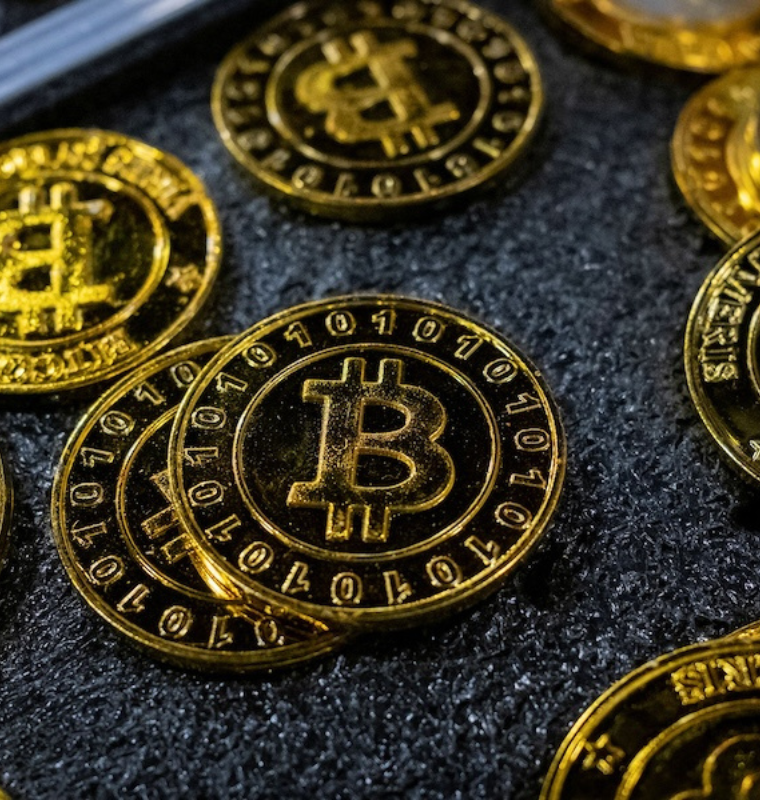

Bitcoin Pulls Back From Recent Highs
By
David Goldfarb
Last updated:
March 18, 2026
First Published:
March 18, 2026

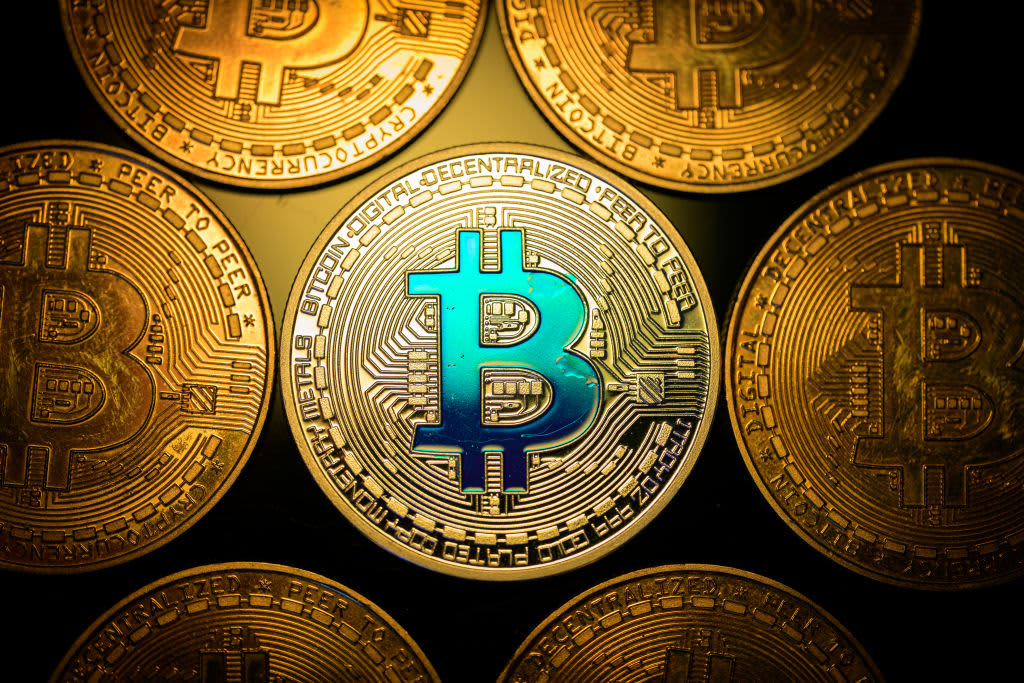
Getty Images
The cryptocurrency market has entered a phase of cautious movement as Bitcoin retreats from its recent highs. After weeks of upward momentum that reignited optimism across the industry, the leading digital asset is now experiencing a pullback. This shift reflects a broader pattern where investors are pausing to evaluate macroeconomic signals before making further commitments.
Market Momentum Slows After Strong Rally
Bitcoin’s recent climb attracted significant attention from both retail and institutional participants. The rally was driven by renewed confidence, increased inflows, and expectations of favorable financial conditions. However, such rapid upward movement often leads to periods of consolidation as traders lock in profits and reassess market direction.
Investor Focus Turns to Economic Policy
Global financial markets are closely watching central bank decisions, particularly those related to interest rates. These policies have a direct impact on liquidity and risk appetite. In the case of cryptocurrency, tighter monetary conditions tend to reduce speculative investments, while more accommodative policies can encourage capital flow into digital assets.
Volatility Remains a Defining Feature
Despite growing maturity, Bitcoin continues to exhibit notable volatility. Price swings within short time frames are still common, driven by both technical trading and external economic factors. This volatility creates opportunities for traders but also introduces risk, especially for those with short term strategies.
Institutional Activity Becomes More Selective
Institutional investors remain engaged in the cryptocurrency market, but their approach has become increasingly selective. Rather than chasing rapid gains, institutions are focusing on long term positioning and risk management. This shift contributes to slower but potentially more stable market movements.
Profit Taking Influences Market Direction
Following a strong rally, it is common for investors to secure profits. This behavior can lead to temporary price declines, even when overall sentiment remains positive. The recent pullback in Bitcoin reflects this natural market cycle rather than a fundamental loss of confidence.
Correlation With Traditional Markets Persists
Bitcoin’s performance continues to show correlation with traditional financial markets, particularly equities and bonds. Economic uncertainty in global markets often translates into cautious behavior within the crypto sector. This interconnectedness highlights the growing integration of digital assets into the broader financial ecosystem.
Market Liquidity Plays a Key Role
Liquidity conditions significantly influence price stability. During periods of uncertainty, reduced trading volume can amplify price movements, leading to sharper corrections. Conversely, strong liquidity supports smoother price transitions and reduces extreme volatility.
Long Term Outlook Remains Intact
While short term fluctuations can create uncertainty, the long term outlook for Bitcoin remains supported by its underlying fundamentals. Increasing adoption, technological resilience, and its role as a decentralized asset continue to attract interest from a wide range of participants.
Psychological Factors Shape Trading Behavior
Market sentiment is heavily influenced by psychology. Fear of missing out during rallies and fear of loss during pullbacks can drive rapid decision making. Understanding these behavioral patterns is essential for interpreting market movements and anticipating potential trends.
Looking Ahead
The current pullback in Bitcoin represents a period of recalibration rather than decline. As investors await clearer signals from economic policy and global markets, the cryptocurrency space is likely to experience continued fluctuations. This phase may ultimately contribute to a more balanced and sustainable growth trajectory.
Popular articles



Subscribe to unlock premium content
Disney’s Timeless Magic and How the Entertainment Giant Continues to Shape Culture and Innovation

Imran Khan’s Economic Missteps Amid Political Chaos in Pakistan
The Philippines’ Digital Shift How Remittances and BPO Are Fueling Growth

Disney’s Timeless Magic and How the Entertainment Giant Continues to Shape Culture and Innovation
Imran Khan’s Economic Missteps Amid Political Chaos in Pakistan
Disney’s Timeless Magic and How the Entertainment Giant Continues to Shape Culture and Innovation