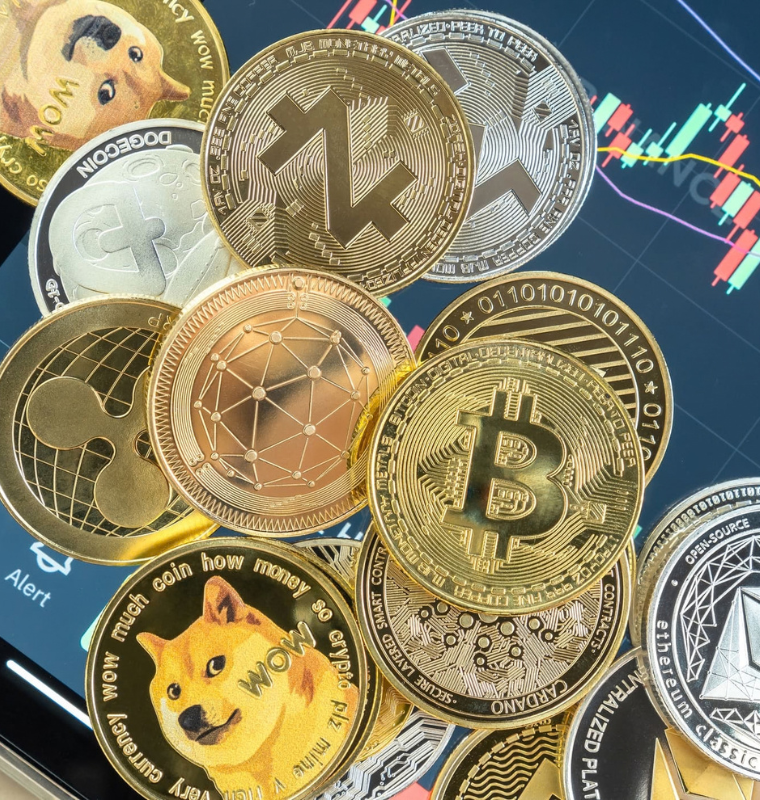
Bitcoin Nears 70000 as Investors Await United States Inflation Data and Market Signals

Bitcoin Nears 70000 as Investors Await United States Inflation Data and Market Signals
By
Calder Monroe
Last updated:
March 10, 2026
First Published:
March 10, 2026

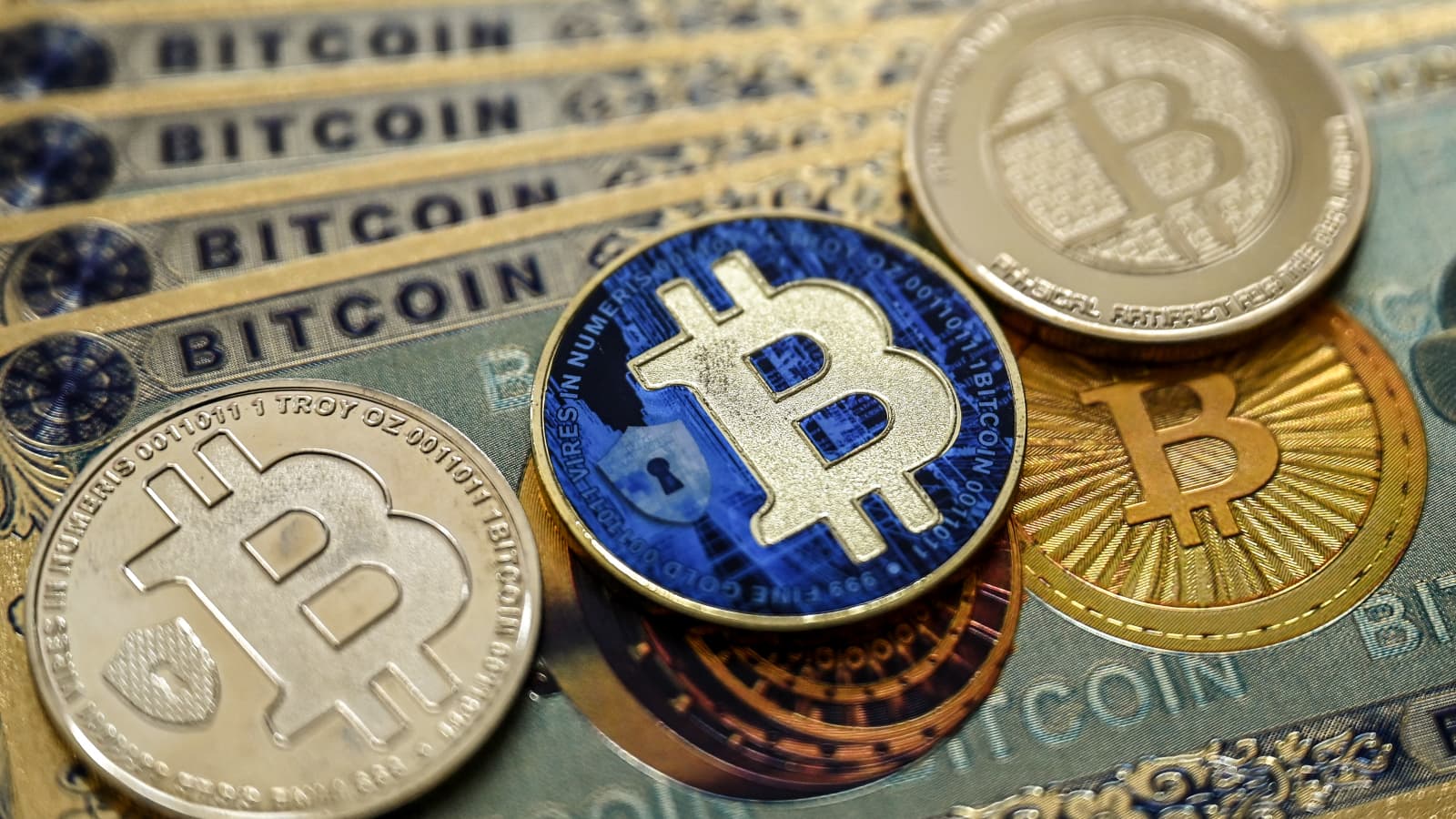
Getty Images
Market optimism returns as Bitcoin approaches a major psychological level
The cryptocurrency market has entered a period of renewed optimism as Bitcoin moves closer to the highly watched 70000 price level. Traders and analysts across global markets are paying close attention to the digital asset’s momentum, particularly as it climbs toward a price point that carries strong psychological significance for investors. While Bitcoin has experienced periods of volatility in recent weeks, the overall market sentiment has gradually improved as institutional interest and macroeconomic expectations align.
Bitcoin’s current movement is not happening in isolation. The entire cryptocurrency ecosystem often reacts to global financial signals, especially those connected to inflation and central bank policy in the United States. Because the United States economy plays such a central role in global finance, any new economic data released by the government can influence investor confidence across multiple asset classes, including digital currencies.
Investors watch inflation data for clues about future monetary policy
One of the most important economic indicators currently on the radar is the latest inflation data from the United States. Inflation figures provide insight into how quickly consumer prices are rising and whether central banks might adjust interest rates to control economic activity. For cryptocurrency investors, these signals are particularly important because they affect liquidity across financial markets.
If inflation continues to cool, it could strengthen the argument that the United States Federal Reserve may reduce interest rates in the coming months. Lower interest rates often encourage investors to allocate capital into risk assets such as technology stocks and cryptocurrencies. This expectation has already begun influencing market behavior, with Bitcoin showing steady gains as traders position themselves ahead of the data release.
Institutional participation continues to shape Bitcoin momentum
Another factor supporting Bitcoin’s current upward movement is the growing presence of institutional investors in the digital asset market. Over the past several years, large investment firms and asset managers have increased their exposure to cryptocurrency through exchange traded products, custodial services, and diversified digital asset portfolios.
Institutional participation tends to bring more stability and long term capital into the market. Unlike short term retail speculation, institutional investment strategies often involve gradual accumulation over extended periods. As Bitcoin approaches the 70000 level, analysts believe that institutional demand is helping sustain the rally by absorbing selling pressure and maintaining market confidence.
Market sentiment strengthens across the broader crypto ecosystem
The rise of Bitcoin has also had a noticeable impact on the broader cryptocurrency landscape. Major altcoins such as Ethereum and other blockchain based assets often follow Bitcoin’s direction due to its dominant position in the market. When Bitcoin gains strength, it frequently triggers a wave of optimism throughout the entire sector.
This effect can be observed in trading volumes across major exchanges. Increased activity suggests that investors are returning to the market after a period of caution earlier in the year. As confidence improves, new participants begin exploring opportunities across decentralized finance platforms, blockchain infrastructure projects, and emerging digital assets.
Global economic conditions add complexity to market outlook
Despite the optimism surrounding Bitcoin’s recent performance, the market environment remains complex. Global economic conditions continue to evolve, and investors must navigate uncertainties related to inflation trends, geopolitical tensions, and central bank policies. These factors can create sudden shifts in investor sentiment, especially in markets that are still considered relatively young and dynamic.
Cryptocurrency markets are particularly sensitive to global liquidity conditions. When financial systems experience tighter monetary policies, risk oriented investments often face downward pressure. Conversely, when liquidity increases and borrowing costs decline, digital assets tend to benefit from renewed capital inflows.
Technical indicators point to strong momentum
From a technical perspective, Bitcoin’s approach toward the 70000 level reflects strong momentum built over several weeks of positive price action. Market analysts frequently monitor support and resistance levels to determine whether an asset is likely to continue rising or face a correction.
The 70000 threshold represents more than just a numerical milestone. It acts as a psychological barrier that can influence trading behavior. If Bitcoin successfully breaks above this level with sustained volume, it could open the door to further upward movement as traders interpret the breakout as confirmation of bullish sentiment.
Retail investors return as market enthusiasm grows
Retail participation has also begun increasing as Bitcoin headlines once again dominate financial news discussions. Individual investors often become more active when prices approach record levels because the excitement surrounding potential gains attracts new participants.
This renewed retail interest can contribute to stronger price movements because it increases overall trading volume. However it also introduces the possibility of heightened volatility. When markets move quickly, inexperienced investors may react emotionally to short term price swings, creating rapid shifts in buying and selling activity.
The evolving role of Bitcoin within global finance
Bitcoin’s steady rise toward the 70000 mark highlights the digital asset’s growing influence within global financial conversations. What began as an experimental technology more than a decade ago has gradually evolved into a recognized investment asset that attracts attention from hedge funds, corporations, and financial institutions.
Many investors now view Bitcoin as a form of digital store of value that operates independently of traditional banking systems. While debates about its long term role continue, the increasing integration of cryptocurrency infrastructure into mainstream finance suggests that digital assets will remain an important part of the investment landscape.
Regulatory clarity remains an important factor for long term growth
While price momentum currently dominates headlines, regulatory developments will continue shaping the future of cryptocurrency markets. Governments and financial authorities around the world are working to establish clearer frameworks for digital asset trading, taxation, and investor protection.
Greater regulatory clarity could encourage more institutional investors to enter the market with confidence. Many financial institutions remain cautious due to uncertainties surrounding compliance requirements. As regulations evolve and become more transparent, the cryptocurrency industry may experience broader adoption across global financial systems.
Market participants prepare for the next phase of Bitcoin’s journey
As Bitcoin approaches the 70000 milestone, investors across the world are preparing for several possible outcomes. A strong breakout above this level could reinforce bullish sentiment and push the market toward new historical highs. On the other hand, a temporary pullback may occur if traders decide to secure profits after the recent rally.
Regardless of the immediate direction, Bitcoin’s current momentum demonstrates the resilience of the cryptocurrency market. Each cycle of growth and correction contributes to the maturity of the ecosystem. As technology continues evolving and financial institutions deepen their involvement, Bitcoin’s role in global investment strategies is likely to become even more significant in the years ahead.
Popular articles



Subscribe to unlock premium content
Disney’s Timeless Magic and How the Entertainment Giant Continues to Shape Culture and Innovation

Imran Khan’s Economic Missteps Amid Political Chaos in Pakistan

The Philippines’ Digital Shift How Remittances and BPO Are Fueling Growth

Disney’s Timeless Magic and How the Entertainment Giant Continues to Shape Culture and Innovation
Imran Khan’s Economic Missteps Amid Political Chaos in Pakistan
Disney’s Timeless Magic and How the Entertainment Giant Continues to Shape Culture and Innovation