Bitcoin Holds Steady as Traders Monitor Macro Economic and Federal Reserve Signals

Bitcoin Holds Steady as Traders Monitor Macro Economic and Federal Reserve Signals
By
Leah Rosenfeld
Last updated:
June 22, 2026
First Published:
June 22, 2026


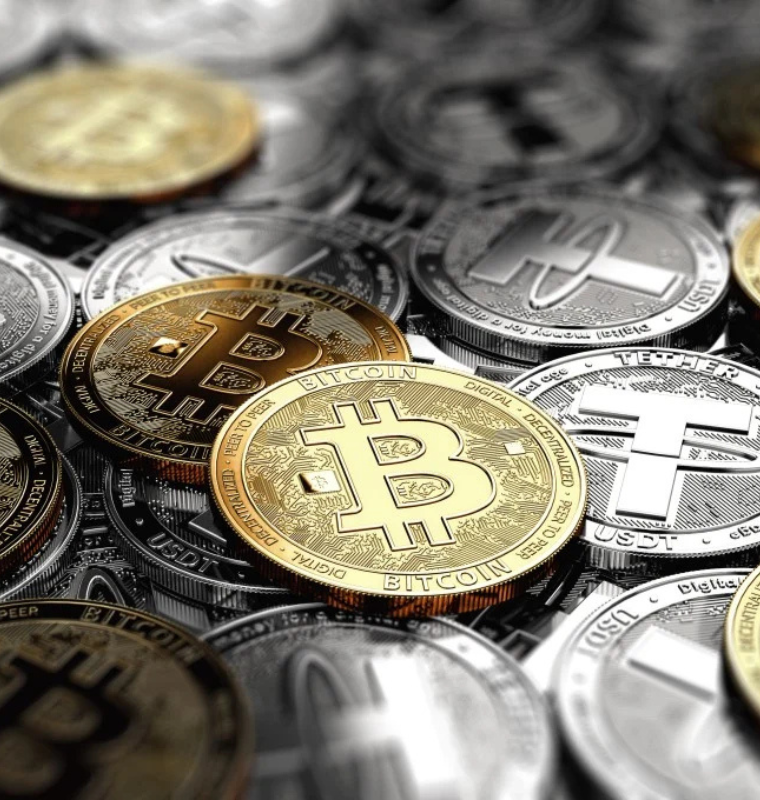
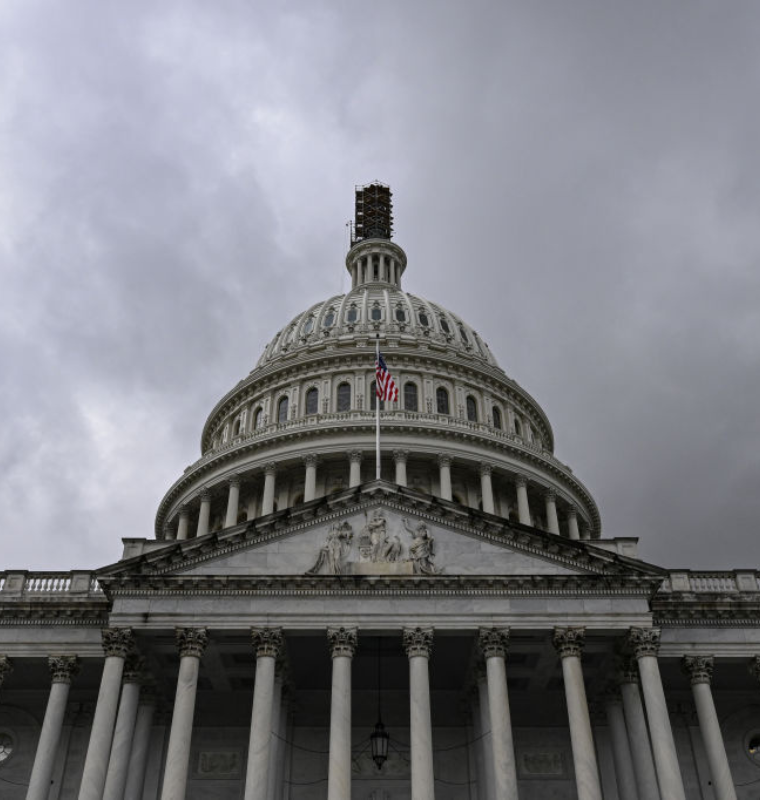
Photo: Bankless Times
Bitcoin Enters a Period of Consolidation
Bitcoin spent much of the past several trading sessions moving within a relatively narrow range as investors assessed a combination of economic data, central bank signals, and broader financial market developments. After experiencing notable volatility earlier in the year, the world's largest cryptocurrency appears to have entered a period of consolidation, with traders carefully evaluating the next potential catalyst that could drive prices higher or lower.
This phase of stability has attracted significant attention because periods of consolidation often precede major market moves. While some investors interpret the current environment as a sign of growing market maturity, others believe it reflects uncertainty regarding future monetary policy and economic conditions.
Regardless of perspective, Bitcoin remains at the center of discussions across both traditional finance and the digital asset industry.
The Growing Influence of Macro Economics
The cryptocurrency market has evolved considerably over the past decade. In its early years, Bitcoin often moved independently from traditional financial assets. Today, however, macroeconomic developments frequently play a major role in influencing market behavior.
Investors closely watch inflation reports, employment figures, consumer spending data, and economic growth indicators because these metrics can affect central bank decision making. Changes in monetary policy expectations often influence liquidity conditions throughout global markets, including cryptocurrencies.
As a result, Bitcoin traders now pay as much attention to economic calendars as they do to blockchain related developments.
Why Federal Reserve Signals Matter
Among all economic influences, few have as much impact on investor sentiment as communication from the Federal Reserve. Interest rate decisions can significantly affect how capital flows across different asset classes.
When interest rates remain elevated, investors often find lower risk financial instruments more attractive. Conversely, expectations of lower rates can encourage greater interest in growth oriented assets, including technology stocks and cryptocurrencies.
Because of this relationship, every statement from Federal Reserve officials is analyzed carefully by market participants seeking clues about future policy direction. Even subtle changes in tone can influence expectations and trigger shifts in investor positioning.
Investor Sentiment Remains Divided
Current market sentiment reflects a mixture of optimism and caution. On one side, long term Bitcoin supporters point to growing institutional adoption, expanding infrastructure, and increasing acceptance among financial institutions as reasons for confidence.
These investors argue that Bitcoin's fundamental position within the global financial landscape continues to strengthen. They believe temporary periods of consolidation are a normal part of a broader growth cycle and may ultimately support healthier market development.
On the other side, some traders remain cautious due to economic uncertainty and the possibility of changing monetary conditions. They prefer to wait for stronger confirmation before making aggressive investment decisions.
Institutional Participation Continues Expanding
One of the most important factors supporting Bitcoin's long term outlook is continued institutional involvement. Large asset managers, investment firms, and financial service providers have become increasingly active participants in the cryptocurrency market.
Institutional adoption has contributed to improved market liquidity, greater visibility, and stronger integration between traditional finance and digital assets. Many analysts believe this trend represents one of the most significant structural changes in Bitcoin's history.
As institutions continue building exposure to the asset class, market dynamics are becoming more sophisticated and increasingly influenced by broader economic forces.
The Role of Global Financial Markets
Bitcoin no longer operates in isolation from traditional markets. Movements in equities, bond yields, commodity prices, and currency markets frequently influence cryptocurrency trading activity.
Investors increasingly view Bitcoin as part of a diversified investment landscape rather than a completely separate financial ecosystem. This interconnectedness means global developments can quickly affect digital asset valuations.
Economic uncertainty in one region, changes in investor risk appetite, or major geopolitical events can all contribute to shifts in cryptocurrency market behavior. Understanding these relationships has become essential for modern investors.
Technical Analysts Watch Key Levels
While macroeconomic developments dominate headlines, technical analysts remain focused on chart patterns and important support and resistance levels. Periods of consolidation often attract heightened interest because they can indicate the formation of future trends.
Analysts examine trading volume, momentum indicators, and historical price behavior in an effort to identify potential breakout scenarios. Some believe the current range could eventually lead to renewed upward momentum, while others warn that downside risks remain present.
Although opinions differ, most observers agree that the market is searching for a decisive catalyst.
Retail Investors Remain Active
Retail participation continues to play an important role within the Bitcoin ecosystem. Individual investors closely monitor economic developments and market news while seeking opportunities to build long term positions.
Many retail participants have become more educated and experienced compared with previous market cycles. Access to information, educational resources, and institutional research has improved significantly, allowing individuals to make more informed decisions.
This growing sophistication has contributed to a more mature market environment where participants increasingly consider both fundamental and macroeconomic factors.
What Could Drive the Next Major Move
Several potential catalysts could influence Bitcoin's next significant price movement. Changes in interest rate expectations remain among the most closely watched factors. Positive economic developments that improve investor confidence may also support increased demand for risk assets.
Additionally, regulatory clarity, institutional investment activity, and technological advancements within the blockchain industry could contribute to future momentum. Any combination of these factors has the potential to alter market sentiment and reshape trading behavior.
Because multiple influences are currently competing for attention, investors continue monitoring developments across a wide range of sectors.
A Market Waiting for Direction
Bitcoin's current stability reflects a market carefully evaluating its next move. Rather than reacting impulsively, investors appear focused on understanding the broader economic environment before committing to major positions.
This cautious approach highlights the increasing maturity of the cryptocurrency market and its growing connection to global financial systems. Economic indicators, Federal Reserve communications, and investor sentiment are now deeply intertwined with Bitcoin's performance.
As the final weeks of June unfold, traders and investors remain alert for signals that could determine the market's next direction. Whether the result is renewed bullish momentum or continued consolidation, one fact remains clear: Bitcoin has become an asset that commands attention not only from cryptocurrency enthusiasts but from the entire financial world.

Popular articles



Subscribe to unlock premium content
Ripple and Bitso Expand Partnership as RLUSD Stablecoin Ecosystem Gains Momentum
Bybit Introduces Tokenized SpaceX IPO Shares in Landmark Real World Asset Initiative
Crypto Tax Debate Intensifies in Washington Over Mining and Staking Rewards
Ripple and Bitso Expand Partnership as RLUSD Stablecoin Ecosystem Gains Momentum
Bybit Introduces Tokenized SpaceX IPO Shares in Landmark Real World Asset Initiative
Ripple and Bitso Expand Partnership as RLUSD Stablecoin Ecosystem Gains Momentum