Bitcoin Holds Ground as Institutional Demand Rebuilds Across Global Markets

Bitcoin Holds Ground as Institutional Demand Rebuilds Across Global Markets
By
Augusta Parker
Last updated:
April 19, 2026
First Published:
April 19, 2026

.webp)
Photo: Bloomberg News
A Period of Stability in a Volatile Market
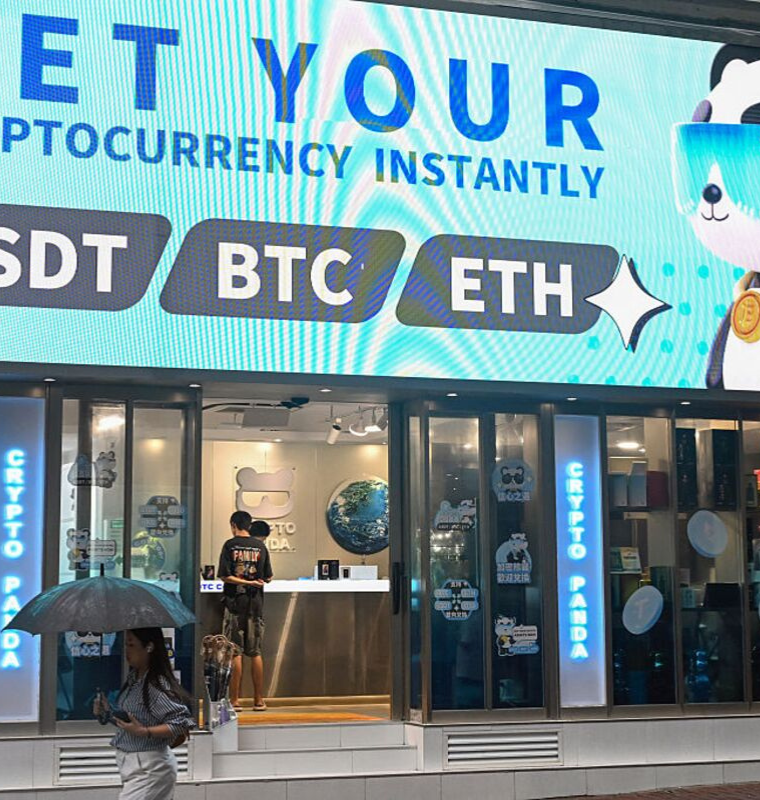
Bitcoin has entered a phase of notable stability at a time when volatility has long defined the cryptocurrency landscape. Despite macroeconomic uncertainty and shifting investor sentiment, the asset has managed to maintain its position with surprising resilience. This steadiness is drawing attention from both seasoned investors and new participants who are watching closely for signals of a broader market shift.
Institutional Players Reenter the Arena
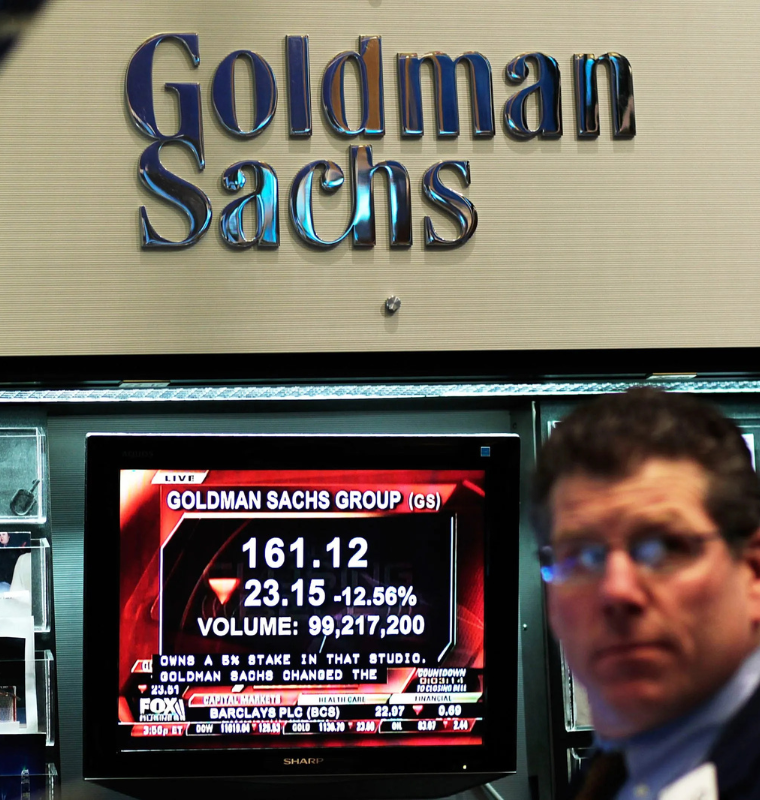
One of the most significant developments behind this stability is the return of institutional capital. Large investment firms, asset managers, and hedge funds are gradually increasing their exposure to Bitcoin. This renewed participation is not driven by hype but by calculated strategies that view Bitcoin as a long term asset with potential to hedge against global economic instability.
Changing Perception of Bitcoin
Bitcoin is no longer seen solely as a speculative instrument. Over time, it has evolved into a digital asset that is increasingly compared to traditional stores of value. Institutional investors are approaching Bitcoin with frameworks similar to those used for commodities and alternative investments. This shift in perception is playing a crucial role in strengthening market confidence.
Global Economic Factors at Play
Macroeconomic conditions are also influencing the growing demand for Bitcoin. Inflation concerns, currency fluctuations, and geopolitical uncertainty are pushing investors to seek assets that are not directly tied to traditional financial systems. Bitcoin’s decentralized nature makes it an attractive option in this context, particularly for institutions looking to diversify their portfolios.
Market Behavior Reflects Growing Maturity
The current price behavior of Bitcoin suggests a maturing market structure. Instead of sharp spikes and dramatic crashes, the asset is showing more controlled movements. This pattern is often associated with increased liquidity and deeper market participation, both of which are being driven by institutional involvement.
Impact on Retail Investors
Retail investors are observing these developments with a mix of optimism and caution. On one hand, institutional participation adds credibility to the market. On the other, it introduces a level of competition and complexity that smaller investors must navigate carefully. The presence of large players can influence price movements in ways that are not always predictable.
Infrastructure Supporting Growth
Behind the scenes, the infrastructure supporting Bitcoin trading and custody has improved significantly. Secure storage solutions, regulatory compliance measures, and advanced trading platforms are making it easier for institutions to participate. This evolution is reducing barriers to entry and encouraging more traditional financial entities to explore the crypto space.
Long Term Investment Strategies Emerging
Institutional investors are not just entering the market but doing so with long term strategies. Instead of short term trading, many are adopting accumulation approaches that focus on gradual exposure. This behavior contributes to price stability and reduces the likelihood of sudden market shocks.
Potential Challenges Ahead
Despite the positive momentum, challenges remain. Regulatory developments, technological risks, and global economic shifts could all impact Bitcoin’s trajectory. Institutional investors are aware of these risks and are likely to adjust their strategies accordingly, which could influence market dynamics in the future.
A Foundation for Future Growth
The rebuilding of institutional demand may serve as a foundation for the next phase of growth in the cryptocurrency market. As confidence strengthens, more capital could flow into Bitcoin and potentially into other digital assets. This could create a ripple effect that benefits the broader ecosystem.
Conclusion
Bitcoin’s ability to hold its ground in a complex and evolving environment is a testament to its growing role in global finance. The return of institutional demand is not just a short term trend but a signal of deeper structural change. As the market continues to mature, Bitcoin is positioning itself as a central player in the future of digital finance.
Popular articles



Subscribe to unlock premium content
Disney’s Timeless Magic and How the Entertainment Giant Continues to Shape Culture and Innovation

Imran Khan’s Economic Missteps Amid Political Chaos in Pakistan

The Philippines’ Digital Shift How Remittances and BPO Are Fueling Growth

Disney’s Timeless Magic and How the Entertainment Giant Continues to Shape Culture and Innovation
Imran Khan’s Economic Missteps Amid Political Chaos in Pakistan
Disney’s Timeless Magic and How the Entertainment Giant Continues to Shape Culture and Innovation