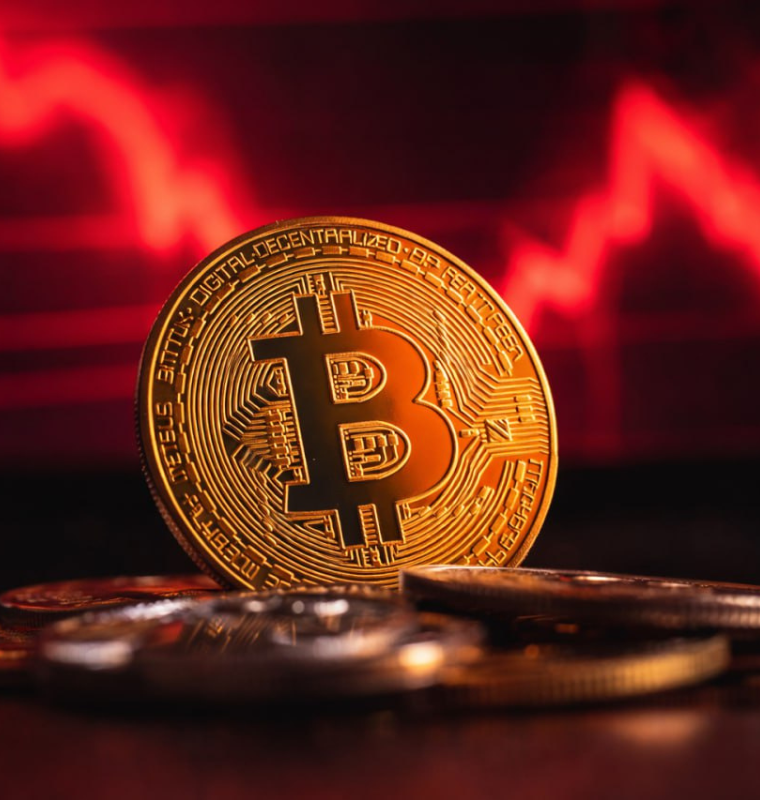
Bitcoin Holds Above $80000 Despite Heavy Market Liquidations Across Major Crypto Exchanges

Bitcoin Holds Above $80000 Despite Heavy Market Liquidations Across Major Crypto Exchanges
By
Augusta Parker
Last updated:
May 13, 2026
First Published:
May 13, 2026

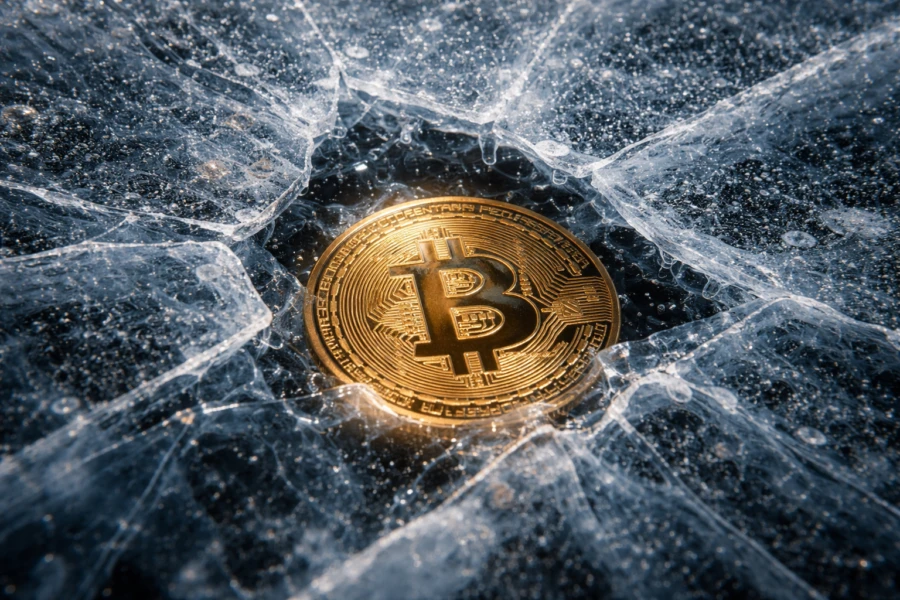
Photo: TradingView
Bitcoin Faces Pressure but Refuses to Collapse
The cryptocurrency market witnessed another dramatic trading session this week as Bitcoin managed to remain above the important $80000 level despite intense selling pressure and widespread liquidations across major exchanges. Investors entered the week expecting sharp volatility after several days of uncertain market sentiment, but few anticipated the scale of liquidations that would follow.
Billions of dollars moved rapidly across digital asset markets as traders attempted to adjust their positions during sudden price swings. While many altcoins suffered steep declines, Bitcoin demonstrated unusual resilience compared to previous correction phases. The leading cryptocurrency repeatedly recovered after temporary dips, signaling that buyer demand remains strong even during periods of panic selling.
Market analysts believe the ability to hold above this psychological price level has become an important signal for both institutional and retail investors.
Liquidations Shake Leveraged Traders Worldwide
One of the biggest stories dominating the crypto industry has been the massive wave of liquidations that swept through leveraged trading positions. Many traders who used borrowed funds to amplify profits faced automatic selloffs as prices moved against their expectations.
Crypto exchanges recorded hundreds of millions of dollars in liquidated positions within a short period. Long traders experienced the most damage as sudden downward movements triggered cascading sell orders across futures markets.
The situation created an atmosphere of uncertainty where traders struggled to determine whether the correction represented a temporary pullback or the beginning of a larger market reversal. Despite the fear, Bitcoin managed to stabilize faster than many analysts predicted.
The event once again highlighted the risks associated with highly leveraged crypto trading, especially during periods of heightened volatility.
Institutional Demand Continues Supporting Bitcoin
Even as short term traders faced losses, institutional activity appeared to provide support for Bitcoin prices. Several large investment firms reportedly continued accumulating digital assets during market weakness instead of exiting positions.
This behavior reflects a growing shift in how institutional investors approach cryptocurrency markets. In previous years large corrections often triggered extended panic across all investor categories. However many institutions now view temporary declines as strategic buying opportunities rather than warning signs.
The growing involvement of professional asset managers has changed the overall structure of the Bitcoin market. Long term investment strategies increasingly compete with speculative short term trading, creating a more mature but still highly volatile environment.
Analysts believe this institutional presence helped prevent Bitcoin from falling below key support levels during the latest correction.
Retail Investors React Emotionally to Price Swings
While institutional investors appeared relatively calm, retail traders reacted emotionally as prices fluctuated rapidly throughout the trading session. Social media platforms filled with discussions ranging from panic selling to predictions of an imminent recovery.
Many smaller investors expressed frustration after watching sudden market reversals wipe out leveraged positions within hours. Others saw the decline as another opportunity to accumulate Bitcoin before future price growth.
The emotional nature of crypto investing continues to play a major role in short term price movements. Fear and excitement often spread quickly through online communities, amplifying already volatile market conditions.
Despite the uncertainty, trading activity remained extremely high as millions of investors monitored charts and searched for signs of market direction.
Altcoins Suffer Greater Losses Than Bitcoin
Although Bitcoin experienced significant volatility, many alternative cryptocurrencies performed far worse during the market correction. Several smaller digital assets recorded double digit percentage losses within a single day as investor confidence weakened.
The difference in performance reinforced Bitcoin’s position as the dominant asset within the crypto industry. During periods of uncertainty investors often move capital away from riskier altcoins and back into Bitcoin because it is perceived as more stable compared to smaller projects.
Ethereum also faced pressure but maintained relatively stronger support than many speculative tokens. Meme coins and low liquidity projects experienced some of the largest declines as traders rushed to reduce risk exposure.
This pattern has become increasingly common during volatile periods where Bitcoin acts as a relative safe haven within the broader crypto ecosystem.
Analysts Debate Whether the Bull Market Remains Intact
The recent market correction has sparked intense debate among analysts regarding the future direction of Bitcoin and the broader crypto market. Some experts argue that temporary pullbacks are natural during strong bull cycles and should not be interpreted as signs of long term weakness.
Others warn that repeated liquidations and declining investor confidence could indicate growing exhaustion after months of aggressive price growth. Market strategists are closely watching trading volume, institutional flows, and macroeconomic developments to determine the next major trend.
Several analysts pointed out that Bitcoin maintaining support above $80000 remains technically important because losing that level could trigger additional panic selling. At the same time, successful stabilization may encourage renewed buying activity from investors waiting on the sidelines.
The coming weeks are expected to play a crucial role in shaping market sentiment for the remainder of 2026.
Global Economic Factors Continue Influencing Crypto Markets
Cryptocurrency prices are no longer isolated from traditional financial systems. Global economic developments continue influencing investor behavior across digital asset markets.
Interest rate expectations, inflation concerns, and central bank policies all contribute to shifts in crypto sentiment. Many investors now treat Bitcoin as part of a broader risk asset environment alongside stocks and technology investments.
Recent uncertainty surrounding global monetary policy has increased market sensitivity to economic news. Traders are reacting more aggressively to inflation reports, employment data, and statements from financial officials.
As a result cryptocurrency volatility has become closely connected to developments outside the blockchain industry itself. This growing integration reflects the increasing maturity of the digital asset market.
Crypto Exchanges Strengthen Risk Management Measures
Following the latest liquidation event, several crypto exchanges are reviewing their risk management systems and leverage policies. Industry observers expect some platforms to introduce stricter requirements aimed at reducing excessive speculation.
High leverage trading has long been criticized for increasing market instability because rapid liquidations can accelerate price declines. Exchanges now face growing pressure to balance profitability with market safety.
Some trading platforms have already lowered maximum leverage options for retail traders while others continue expanding educational resources focused on risk management.
The recent volatility may encourage further reforms as regulators and industry leaders attempt to reduce the likelihood of future cascading liquidation events.
Long Term Bitcoin Holders Remain Confident
Despite the turbulence, long term Bitcoin holders appear largely unaffected by short term price swings. Blockchain data suggests many investors continue holding assets rather than selling during corrections.
This behavior reflects growing confidence in Bitcoin’s long term value proposition. Supporters view the cryptocurrency as a digital store of value capable of surviving temporary market instability.
Many long term holders experienced previous market cycles involving dramatic corrections followed by eventual recoveries. As a result they often remain less reactive during periods of panic compared to newer investors.
The increasing presence of patient long term capital may gradually reduce the severity of future market collapses, although volatility is expected to remain a defining feature of cryptocurrency trading.
The Market Awaits Its Next Major Catalyst
As Bitcoin stabilizes above the $80000 mark, traders and investors are now searching for the next major catalyst that could determine market direction. Regulatory developments, institutional investment activity, and macroeconomic events all remain critical factors influencing sentiment.
The crypto industry continues evolving rapidly with new financial products, blockchain innovations, and global adoption trends reshaping the market landscape. While short term uncertainty remains high, many investors still believe the long term growth story for digital assets remains intact.
For now Bitcoin’s ability to withstand one of the largest liquidation waves of the year has reinforced its reputation as the dominant force within the cryptocurrency industry. Whether this resilience marks the beginning of another rally or simply a pause before further volatility remains one of the biggest questions facing the market today.

Popular articles



Subscribe to unlock premium content
Imran Khan’s Economic Missteps Amid Political Chaos in Pakistan

The Philippines’ Digital Shift How Remittances and BPO Are Fueling Growth

Is the Era of Globalization Over or Just Evolving?
Imran Khan’s Economic Missteps Amid Political Chaos in Pakistan
The Philippines’ Digital Shift How Remittances and BPO Are Fueling Growth
Imran Khan’s Economic Missteps Amid Political Chaos in Pakistan