Bitcoin Falls Below 73 Thousand Dollars as Global Tensions Shake the Cryptocurrency Market

Bitcoin Falls Below 73 Thousand Dollars as Global Tensions Shake the Cryptocurrency Market
By
Alina Sinclair
Last updated:
May 29, 2026
First Published:
May 29, 2026

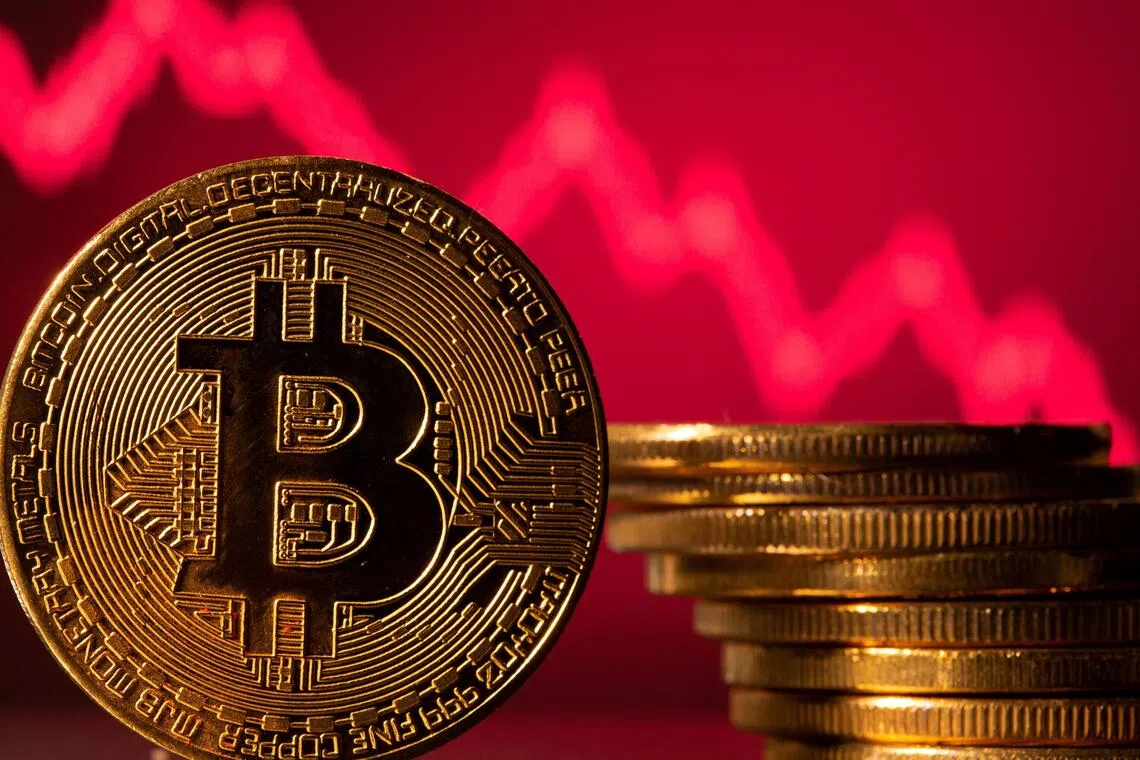
Photo: The Straits Times
A Sudden Shock Hits the Digital Asset Market
The cryptocurrency market experienced a dramatic wave of panic during the final days of May 2026 after Bitcoin slipped below the 73 thousand dollar mark. The decline arrived suddenly and created intense fear across the global digital asset industry. Investors who had expected Bitcoin to continue climbing toward new yearly highs instead witnessed a sharp correction that wiped billions from the total crypto market value within hours.
The sell off was not caused by a technical failure inside the blockchain ecosystem itself. Instead the pressure came from rising geopolitical uncertainty between the United States and Iran. As reports of growing military tensions circulated through financial markets investors quickly moved away from volatile assets and toward safer investment choices such as gold and government bonds. Cryptocurrency became one of the first sectors to feel the pressure.
Liquidations Create a Chain Reaction Across Exchanges
One of the biggest reasons for the rapid fall in Bitcoin prices came from large scale liquidations inside leveraged trading markets. Many traders had opened aggressive long positions expecting Bitcoin to continue its upward momentum after weeks of strong gains earlier in the month. When prices started dropping automated liquidation systems on major exchanges began closing positions at massive speed.
This created a domino effect throughout the industry. As long positions disappeared more Bitcoin entered the market for immediate sale which pushed prices even lower. Within a short period hundreds of millions of dollars in leveraged positions vanished. The panic quickly spread from Bitcoin to Ethereum Solana XRP and several other major cryptocurrencies.
The atmosphere inside the crypto industry became extremely tense as traders watched charts collapse minute by minute. Social media platforms filled with reactions from investors discussing whether this was the beginning of a larger correction or simply another temporary crash.
Fear Returns After Months of Optimism
Earlier in 2026 many analysts believed the crypto market had entered a stronger and more mature growth cycle. Institutional investment continued increasing and several financial firms expanded their Bitcoin related services. Spot Bitcoin exchange traded funds also brought additional capital into the market during the first quarter of the year.
Because of this optimism many retail investors became highly confident that Bitcoin would continue moving upward without major resistance. The sudden fall below 73 thousand dollars therefore shocked both new and experienced traders.
Market sentiment changed rapidly from greed to fear. Investors who were celebrating profits only days earlier suddenly began discussing capital protection and risk management. This emotional shift is one of the defining characteristics of cryptocurrency markets where prices often react faster than traditional financial sectors.
Global Politics Continue Influencing Crypto Prices
The latest market decline once again proved that cryptocurrency is no longer isolated from the wider global economy. In earlier years many supporters described Bitcoin as an independent asset capable of resisting global political instability. However recent events continue showing that major geopolitical developments can heavily influence digital currencies.
As uncertainty rises investors often prefer assets that are traditionally considered safer during periods of conflict. Even though Bitcoin is sometimes called digital gold many institutional investors still treat it as a high risk investment during unstable periods.
This relationship between global politics and cryptocurrency markets has become stronger as large financial institutions enter the industry. Traditional investment firms now hold substantial exposure to digital assets which means macroeconomic events influence crypto trading behavior more than ever before.
Bitcoin Traders Search for Strong Support Levels
After falling below 73 thousand dollars analysts immediately began studying possible support zones that could stabilize the market. Some traders believe Bitcoin may recover quickly if geopolitical tensions cool down over the coming days. Others warn that additional selling pressure could send prices even lower before stability returns.
Technical analysts are closely watching investor behavior around key psychological levels. Historically Bitcoin has experienced sharp corrections even during long term bull markets. Several experienced traders argue that volatility remains a normal part of the cryptocurrency ecosystem.
At the same time market observers continue monitoring institutional buying activity. If large investment firms begin purchasing Bitcoin during the decline confidence could slowly return to the market.
Altcoins Face Even Greater Pressure
While Bitcoin experienced major losses several alternative cryptocurrencies suffered even heavier declines. Smaller digital assets often react more aggressively during periods of fear because investors consider them riskier than Bitcoin itself.
Ethereum Solana Avalanche and meme based cryptocurrencies all faced sharp selling pressure as traders rushed to reduce exposure. Some tokens lost double digit percentages within a single trading session. The sudden decline erased weeks of gains for many investors who entered the market during recent rallies.
The situation highlighted the ongoing volatility that still exists across the broader crypto ecosystem despite years of industry growth and institutional adoption.
Retail Investors Feel the Emotional Impact
For everyday investors the crash created emotional stress and uncertainty. Many retail traders who entered the market during recent rallies watched their portfolios lose value rapidly. Social media communities became filled with discussions about panic selling emotional trading and long term investment discipline.
Experienced investors often warn newcomers that cryptocurrency markets can move violently in either direction. However large corrections continue catching many traders unprepared especially when leverage becomes involved.
Financial experts frequently encourage investors to avoid risking money they cannot afford to lose. The latest market decline may once again remind traders about the importance of patience diversification and careful risk management inside highly volatile markets.
Institutional Investors Remain a Key Market Force
Despite the decline many industry analysts believe institutional participation will continue shaping the long term future of Bitcoin. Large financial firms pension funds and investment managers now play a far greater role in crypto markets compared to previous cycles.
Institutional investors typically operate with longer time horizons than retail traders. Because of this some analysts expect major firms to view market corrections as potential buying opportunities rather than reasons to exit completely.
The growing connection between Wall Street and cryptocurrency also means Bitcoin is increasingly behaving like a mainstream financial asset influenced by interest rates global conflicts and broader economic conditions.
The Crypto Industry Faces Another Important Test
The events of late May 2026 may become another defining chapter in the history of digital assets. Cryptocurrency markets have survived numerous crashes throughout the past decade yet each correction continues testing investor confidence and industry resilience.
Supporters of Bitcoin argue that temporary declines are natural within emerging financial technologies. Critics however continue pointing toward volatility as proof that cryptocurrencies remain unstable for mainstream adoption.
Regardless of market direction the latest decline demonstrated how quickly sentiment can change inside digital finance. A combination of geopolitical tension leveraged trading and investor fear created a perfect storm that sent shockwaves throughout the crypto industry.
What Comes Next for Bitcoin and the Broader Market
The coming weeks will likely determine whether the latest correction becomes a short term panic event or the beginning of a larger market downturn. Traders investors and institutions around the world are now closely watching both geopolitical developments and financial market reactions.
If global tensions ease confidence may slowly return and push Bitcoin back toward previous highs. However continued uncertainty could keep volatility elevated across the entire cryptocurrency sector.
For now the crypto market remains in a cautious state as investors attempt to understand whether this dramatic fall represents temporary fear or a deeper shift in market momentum. One thing remains certain. The cryptocurrency industry continues evolving within an increasingly interconnected global financial system where politics economics and digital assets now move together more closely than ever before.

Popular articles



Subscribe to unlock premium content
Imran Khan’s Economic Missteps Amid Political Chaos in Pakistan

The Philippines’ Digital Shift How Remittances and BPO Are Fueling Growth

Is the Era of Globalization Over or Just Evolving?
Imran Khan’s Economic Missteps Amid Political Chaos in Pakistan
The Philippines’ Digital Shift How Remittances and BPO Are Fueling Growth
Imran Khan’s Economic Missteps Amid Political Chaos in Pakistan