Bitcoin Falls Below $64,000 as Federal Reserve Caution Sends Shockwaves Through Crypto Markets

Bitcoin Falls Below $64,000 as Federal Reserve Caution Sends Shockwaves Through Crypto Markets
By
Alina Sinclair
Last updated:
June 18, 2026
First Published:
June 18, 2026

.webp)
Photo: Forbes
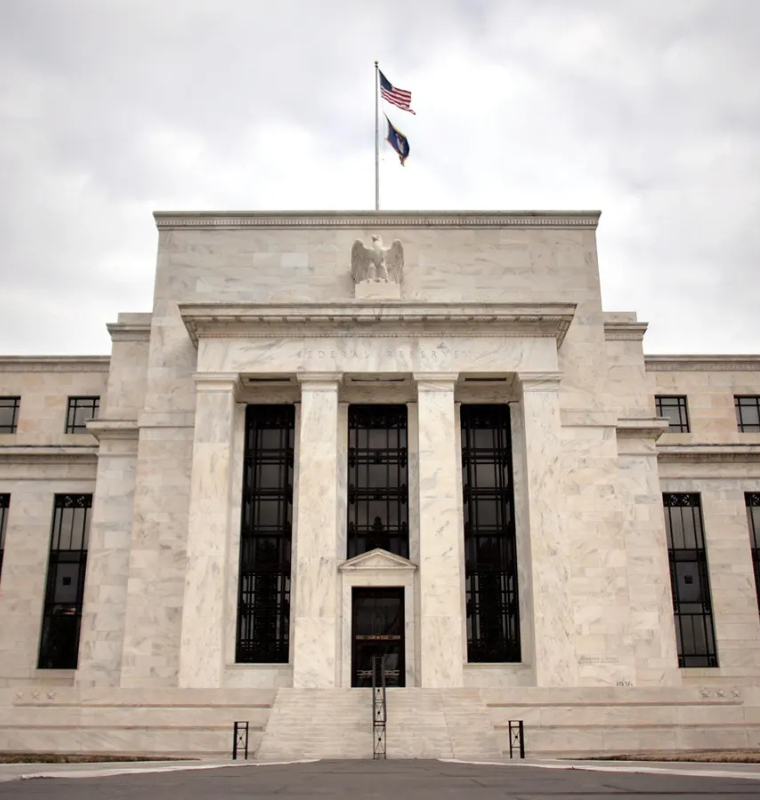
The cryptocurrency market experienced a significant shift in sentiment after Bitcoin slipped below the $64,000 mark, a move that highlighted the growing influence of macroeconomic policy on digital assets. Following the latest remarks from the United States Federal Reserve, investors across both traditional and crypto markets adopted a more cautious stance, leading to widespread selling pressure and heightened volatility. While Bitcoin has weathered numerous market cycles over the years, the latest decline demonstrates that cryptocurrencies remain deeply connected to broader financial conditions.
A Sudden Change in Market Mood
For much of the year, optimism had surrounded the cryptocurrency sector. Institutional participation remained strong, new blockchain innovations continued to emerge, and many investors expected a supportive monetary environment. However, market expectations shifted when Federal Reserve officials signaled that inflation concerns had not completely disappeared and that policymakers would remain careful about future interest rate decisions.
This message was enough to alter investor behavior. Market participants who had anticipated a more accommodative policy outlook began reducing exposure to risk sensitive assets. Since cryptocurrencies are often viewed as higher risk investments, Bitcoin became one of the first assets to feel the impact of changing sentiment.
Why Federal Reserve Decisions Matter to Bitcoin
Many cryptocurrency enthusiasts once believed Bitcoin would operate independently of traditional financial systems. While Bitcoin remains decentralized in its structure, market behavior over recent years has shown that investor psychology often connects digital assets with broader economic trends.
When interest rates remain elevated, borrowing becomes more expensive and liquidity throughout financial markets can tighten. Investors generally become more selective about where they allocate capital. Assets perceived as speculative often face increased selling pressure as investors seek stability and preservation of capital.
As a result, Federal Reserve communications now influence cryptocurrency markets almost as much as they affect stocks and other financial assets.
The Importance of the $64,000 Level
Psychological price levels play an important role in financial markets. The $64,000 threshold represented a key support zone that many traders monitored closely. When Bitcoin moved below this level, automated trading systems and short term market participants responded quickly.
Such price movements often create a chain reaction. Some traders exit positions to limit losses, while others take advantage of downward momentum by opening short positions. These actions can accelerate volatility and lead to larger market swings within a relatively short period.
Although Bitcoin has experienced much larger corrections throughout its history, breaking below a major support level often affects confidence across the broader market.
Altcoins Feel the Pressure
Bitcoin was not the only digital asset impacted by the changing environment. Major alternative cryptocurrencies also experienced declines as investors reduced exposure across the sector.
Historically, Bitcoin serves as the market leader for digital assets. When Bitcoin weakens, many altcoins experience even larger percentage declines because they are generally viewed as riskier investments. This pattern once again emerged as traders sought safety amid uncertainty.
Several blockchain projects with strong long term fundamentals remained under pressure simply because broader market sentiment turned negative. This illustrates how emotional factors can temporarily outweigh project specific developments.
Institutional Investors Take a More Defensive Approach
Institutional investors have become increasingly important participants in cryptocurrency markets. Large investment firms, hedge funds, and asset managers now represent a significant share of trading activity.
When macroeconomic uncertainty rises, these organizations often reduce exposure to volatile assets as part of broader risk management strategies. This does not necessarily indicate a loss of confidence in Bitcoin's long term future. Instead, it reflects a desire to preserve capital until economic conditions become clearer.
Many institutional investors continue to view Bitcoin as a strategic asset, but they are also highly sensitive to interest rate expectations and monetary policy developments.
Market Volatility Creates Opportunities
While declining prices can generate concern among investors, periods of volatility also create opportunities. Experienced market participants often view corrections as a natural component of healthy market development.
Price pullbacks can remove excessive speculation and encourage more sustainable growth. Investors who maintain a long term perspective frequently use market weakness as an opportunity to evaluate positions and identify assets with strong fundamentals.
The cryptocurrency industry has repeatedly demonstrated resilience following periods of uncertainty. Previous market corrections have often been followed by renewed innovation, adoption, and investment activity.
The Role of Investor Psychology
Financial markets are driven not only by economic data but also by human emotions. Fear and uncertainty can spread rapidly when investors encounter unexpected developments.
In the cryptocurrency market, sentiment can change especially quickly due to the twenty four hour nature of trading. News events, policy statements, and economic reports can trigger immediate reactions from participants around the world.
As Bitcoin fell below $64,000, many traders focused on potential downside risks. However, history shows that market sentiment often shifts just as rapidly in the opposite direction when conditions improve.
Long Term Fundamentals Remain Intact
Despite recent market weakness, many analysts continue to believe that Bitcoin's long term investment thesis remains unchanged. Adoption among institutions continues to expand, blockchain infrastructure keeps improving, and digital asset awareness is higher than ever before.
Bitcoin's fixed supply remains one of its most distinctive characteristics. Supporters argue that this scarcity could become increasingly valuable over time, particularly in an environment where concerns about currency debasement and inflation persist.
While short term price fluctuations attract headlines, many long term investors remain focused on broader adoption trends rather than temporary market movements.
What Investors Are Watching Next
The next phase for Bitcoin will likely depend on a combination of economic data, Federal Reserve communications, and overall market sentiment. Investors will closely monitor inflation reports, employment figures, and future policy statements for clues regarding the direction of monetary policy.
Any indication that inflation is easing more rapidly than expected could improve market confidence and encourage renewed investment in risk assets. Conversely, signs of persistent inflation could prolong uncertainty and maintain pressure on cryptocurrency prices.
Because financial markets are highly interconnected, developments outside the crypto sector may continue influencing Bitcoin's trajectory in the months ahead.
Bitcoin's decline below $64,000 serves as a reminder that cryptocurrencies do not exist in isolation from the global financial system. Federal Reserve policy, investor sentiment, and broader economic conditions continue shaping market behavior alongside blockchain innovation and technological progress.
Although short term volatility may concern some investors, the cryptocurrency industry has repeatedly demonstrated an ability to adapt and evolve through changing market cycles. As participants navigate the current environment, the focus will remain on whether Bitcoin can regain momentum while maintaining its position as the leading digital asset in an increasingly complex financial landscape.
Popular articles



Subscribe to unlock premium content
Ripple and Bitso Expand Partnership as RLUSD Stablecoin Ecosystem Gains Momentum

Bybit Introduces Tokenized SpaceX IPO Shares in Landmark Real World Asset Initiative

Crypto Tax Debate Intensifies in Washington Over Mining and Staking Rewards
Ripple and Bitso Expand Partnership as RLUSD Stablecoin Ecosystem Gains Momentum
Bybit Introduces Tokenized SpaceX IPO Shares in Landmark Real World Asset Initiative
Ripple and Bitso Expand Partnership as RLUSD Stablecoin Ecosystem Gains Momentum