
Bitcoin ETFs Suffer Sixth Consecutive Day of Outflows as Investor Sentiment Weakens

Bitcoin ETFs Suffer Sixth Consecutive Day of Outflows as Investor Sentiment Weakens
By
Alina Sinclair
Last updated:
May 25, 2026
First Published:
May 25, 2026

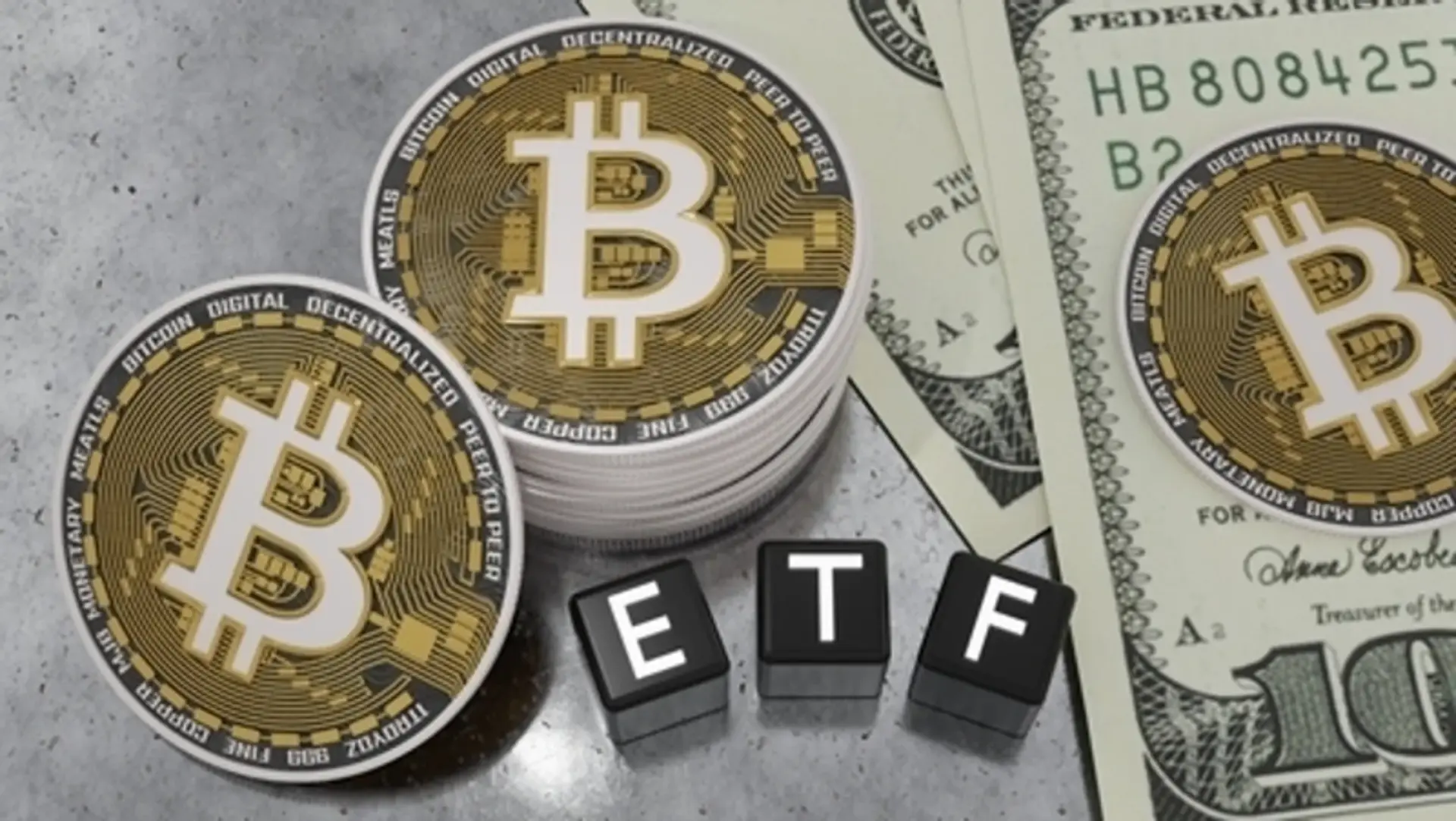
Photo: bloomingbit
The cryptocurrency market has entered another period of careful observation as Bitcoin exchange traded funds continue to experience sustained capital outflows. After several months of strong institutional participation and growing confidence in digital assets, the recent trend has raised important questions about investor sentiment, market direction, and the evolving role of Bitcoin within global investment portfolios.
The sixth consecutive day of outflows from Bitcoin ETFs has attracted significant attention from analysts, fund managers, and retail investors alike. While Bitcoin remains one of the most recognized digital assets in the world, the movement of institutional capital often provides valuable insights into broader market psychology. The current situation suggests that many investors are reassessing risk exposure amid changing economic conditions and shifting market expectations.
Understanding Why ETF Flows Matter
Exchange traded funds have become one of the most important gateways connecting traditional finance with the cryptocurrency sector. Unlike direct cryptocurrency ownership, ETFs provide investors with exposure to Bitcoin through regulated financial products that can be accessed through conventional brokerage accounts.
When capital flows into Bitcoin ETFs, it generally reflects growing institutional confidence and increasing demand for digital asset exposure. Conversely, consistent outflows can indicate caution, profit taking, portfolio rebalancing, or broader uncertainty about future market performance.
Because institutional investors often manage large amounts of capital, even modest changes in allocation strategies can influence overall market sentiment and attract attention across the financial industry.
The Shift From Enthusiasm to Caution
Earlier periods of strong ETF inflows helped fuel optimism throughout the cryptocurrency ecosystem. Investors viewed growing institutional participation as evidence that Bitcoin was becoming increasingly accepted as a legitimate asset class.
However, financial markets rarely move in a straight line. As prices climbed and valuations expanded, some investors began locking in gains accumulated during previous rallies. This natural cycle of profit realization often occurs after significant market appreciation.
The recent outflows may not necessarily indicate a loss of confidence in Bitcoin itself. Instead, they could reflect a temporary shift toward caution as investors evaluate market conditions and future opportunities.
The Role of Macroeconomic Uncertainty
Global economic conditions continue to influence investment decisions across all asset classes. Interest rate expectations, inflation concerns, geopolitical developments, and economic growth forecasts play major roles in determining how investors allocate capital.
Bitcoin is increasingly viewed through the same lens as other financial assets. As a result, institutional investors frequently adjust their exposure based on broader economic trends rather than cryptocurrency specific developments alone.
Periods of uncertainty often encourage investors to reduce risk and move capital into assets perceived as more stable. This behavior can contribute to ETF outflows even when long term confidence in digital assets remains intact.
Market Reactions to Consecutive Outflows
Financial markets often react not only to individual events but also to emerging trends. A single day of ETF outflows may generate limited concern, but multiple consecutive sessions can influence market psychology.
Traders closely monitor fund flow data because it provides a measurable indicator of institutional behavior. As reports of continued outflows circulate throughout the market, some participants may become more cautious, leading to reduced buying activity and increased volatility.
This psychological component can sometimes amplify market movements beyond what underlying fundamentals might justify. Investor perception often becomes a powerful force in determining short term price action.
How Retail Investors Are Interpreting the Situation
Retail investors are approaching the current ETF outflow trend with mixed perspectives. Some view it as a warning sign that institutional confidence may be fading, while others see it as a normal correction within a longer growth cycle.
Experienced market participants often recognize that capital flows fluctuate regularly. Institutional investors frequently rebalance portfolios based on changing objectives, risk management requirements, and market opportunities.
For long term Bitcoin supporters, temporary outflows may be viewed as part of the natural evolution of a maturing asset class rather than evidence of structural weakness.
The Impact on Bitcoin Price Dynamics
Bitcoin prices are influenced by numerous factors including supply and demand dynamics, market sentiment, macroeconomic developments, regulatory news, and institutional activity.
ETF flows represent one important component of this complex ecosystem. Sustained inflows can create additional demand for Bitcoin exposure, while persistent outflows may reduce buying pressure.
However, Bitcoin has historically demonstrated resilience through multiple market cycles. The asset's performance over time has often depended on a combination of technological adoption, investor confidence, and broader economic trends rather than any single metric.
Institutional Strategies Continue to Evolve
The rise of Bitcoin ETFs has fundamentally changed how institutions interact with cryptocurrency markets. Pension funds, asset managers, family offices, and wealth management firms now have multiple avenues for gaining exposure to digital assets.
As the market matures, institutional strategies are becoming increasingly sophisticated. Rather than maintaining static positions, many professional investors actively adjust allocations based on market conditions and portfolio objectives.
This evolution means that periods of inflows and outflows may become more common as institutions treat Bitcoin exposure similarly to other components of diversified investment portfolios.
What Analysts Are Watching Next
Market analysts are focusing on several key indicators to determine whether current outflows represent a temporary pause or the beginning of a longer trend. Future ETF flow data will be closely monitored for signs of stabilization or renewed demand.
Analysts are also evaluating economic indicators, central bank policies, and broader market sentiment to understand how external factors may influence cryptocurrency investments in the coming months.
The behavior of large institutional investors will remain particularly important because their decisions often shape market narratives and influence capital allocation across the financial sector.
The Broader Implications for Cryptocurrency Markets
The significance of Bitcoin ETF outflows extends beyond Bitcoin itself. Because Bitcoin often serves as the primary entry point for institutional cryptocurrency exposure, changes in demand can affect sentiment across the broader digital asset ecosystem.
Alternative cryptocurrencies, blockchain projects, and digital asset investment products frequently experience indirect effects from shifts in Bitcoin related investment activity. As a result, market participants throughout the industry are paying close attention to current developments.
At the same time, the existence of regulated ETFs continues to represent a major achievement for the cryptocurrency sector. Even during periods of outflows, these products provide a framework through which traditional finance and digital assets remain interconnected.
Looking Ahead
The sixth consecutive day of Bitcoin ETF outflows highlights the dynamic nature of modern financial markets. Investor sentiment can shift rapidly as economic conditions evolve and market participants reassess risk and opportunity.
While the current trend has introduced a degree of caution into the cryptocurrency market, it also reflects the increasing maturity of Bitcoin as an institutional asset. Professional investors are treating digital assets with the same analytical rigor applied to stocks, bonds, commodities, and other investment categories.
Whether outflows continue or reverse in the coming weeks, the episode serves as an important reminder that market cycles are a natural part of investing. For Bitcoin and the broader cryptocurrency industry, the ability to navigate these fluctuations will remain a defining factor in the next phase of growth and institutional adoption.

Popular articles



Subscribe to unlock premium content
Imran Khan’s Economic Missteps Amid Political Chaos in Pakistan

The Philippines’ Digital Shift How Remittances and BPO Are Fueling Growth

Is the Era of Globalization Over or Just Evolving?

Imran Khan’s Economic Missteps Amid Political Chaos in Pakistan
The Philippines’ Digital Shift How Remittances and BPO Are Fueling Growth
Imran Khan’s Economic Missteps Amid Political Chaos in Pakistan