

Bitcoin ATM Fraud Explosion Draws Federal Attention
By
Alina Sinclair
Last updated:
December 30, 2025
First Published:
April 25, 2026

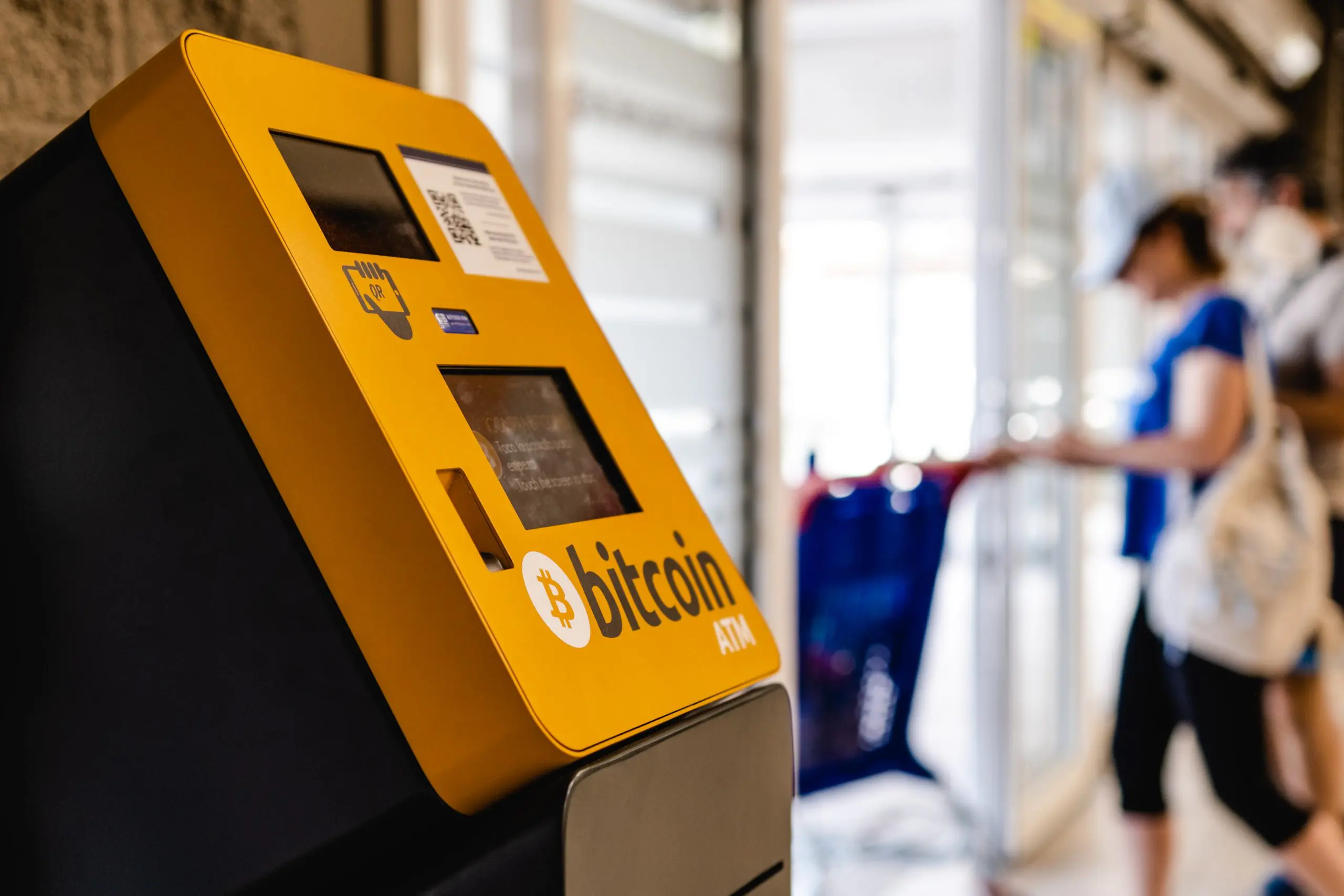
Photo: PaymentsJournal
Rising Threat in Physical Crypto Access Points
Bitcoin ATMs were originally designed to simplify access to digital assets for everyday users. Over time these machines have also become an attractive tool for fraudsters. The FBI warning highlights how criminals are exploiting the physical nature of these kiosks to bypass traditional banking safeguards and pressure victims into irreversible transactions.
How Scammers Manipulate Human Behavior
Unlike online hacks that rely on technical vulnerabilities most Bitcoin ATM scams depend on psychological manipulation. Victims are often contacted through phone calls messages or emails that create panic urgency or fear. The scammer then directs the individual to a nearby Bitcoin ATM and guides them step by step until the funds are transferred.
Why Bitcoin ATMs Are Hard to Police
Bitcoin ATM transactions are fast final and largely anonymous compared to bank transfers. Once funds are sent they cannot be reversed. This makes recovery extremely difficult even when fraud is quickly reported. Law enforcement agencies face challenges tracing funds that move rapidly across wallets and exchanges.
The Scale of Financial Damage in 2025
According to federal assessments losses connected to Bitcoin ATM scams reached unprecedented levels in 2025. The amounts involved are no longer small scale incidents but large aggregate losses affecting retirees first time crypto users and individuals unfamiliar with blockchain mechanics.
Geographic Spread and Targeted Demographics
Fraud reports show that these scams are not limited to major cities. Smaller towns and suburban areas with newly installed Bitcoin ATMs are increasingly targeted. Older adults are disproportionately affected due to lower familiarity with digital asset systems and higher trust in authority based deception.
Role of ATM Operators and Compliance Gaps
Many Bitcoin ATM operators function under varying regulatory standards depending on jurisdiction. While some have introduced transaction warnings and spending limits others still lack robust fraud detection measures. This inconsistency has contributed to uneven consumer protection across regions.
Federal Response and Investigative Focus
The FBI alert signals a shift from passive monitoring to active intervention. Authorities are now coordinating with ATM operators financial institutions and crypto analytics firms to identify suspicious transaction patterns and disrupt scam networks before funds fully disappear.
Impact on Crypto Industry Reputation
These scams damage public trust in the broader cryptocurrency ecosystem even though the technology itself is not inherently flawed. Industry leaders increasingly recognize that failure to address consumer protection risks could slow mainstream adoption and invite harsher regulation.
Education as the First Line of Defense
The most effective countermeasure remains public awareness. Clear messaging that legitimate agencies never demand payment through Bitcoin ATMs is critical. Education campaigns by regulators exchanges and wallet providers are becoming essential to reduce victimization.
What This Means Going Into 2026
The FBI warning marks a pivotal moment for crypto infrastructure oversight. Bitcoin ATMs will likely face stricter rules stronger identity checks and enhanced monitoring. While this may reduce convenience it could ultimately strengthen trust and sustainability in real world crypto access.

Popular articles



Subscribe to unlock premium content
Imran Khan’s Economic Missteps Amid Political Chaos in Pakistan

The Philippines’ Digital Shift How Remittances and BPO Are Fueling Growth

Is the Era of Globalization Over or Just Evolving?

Imran Khan’s Economic Missteps Amid Political Chaos in Pakistan
The Philippines’ Digital Shift How Remittances and BPO Are Fueling Growth
Imran Khan’s Economic Missteps Amid Political Chaos in Pakistan