
Backpack Exchange Completes Strategic Acquisition of FTX EU
By
David Goldfarb
Last updated:
January 4, 2026
First Published:
April 25, 2026

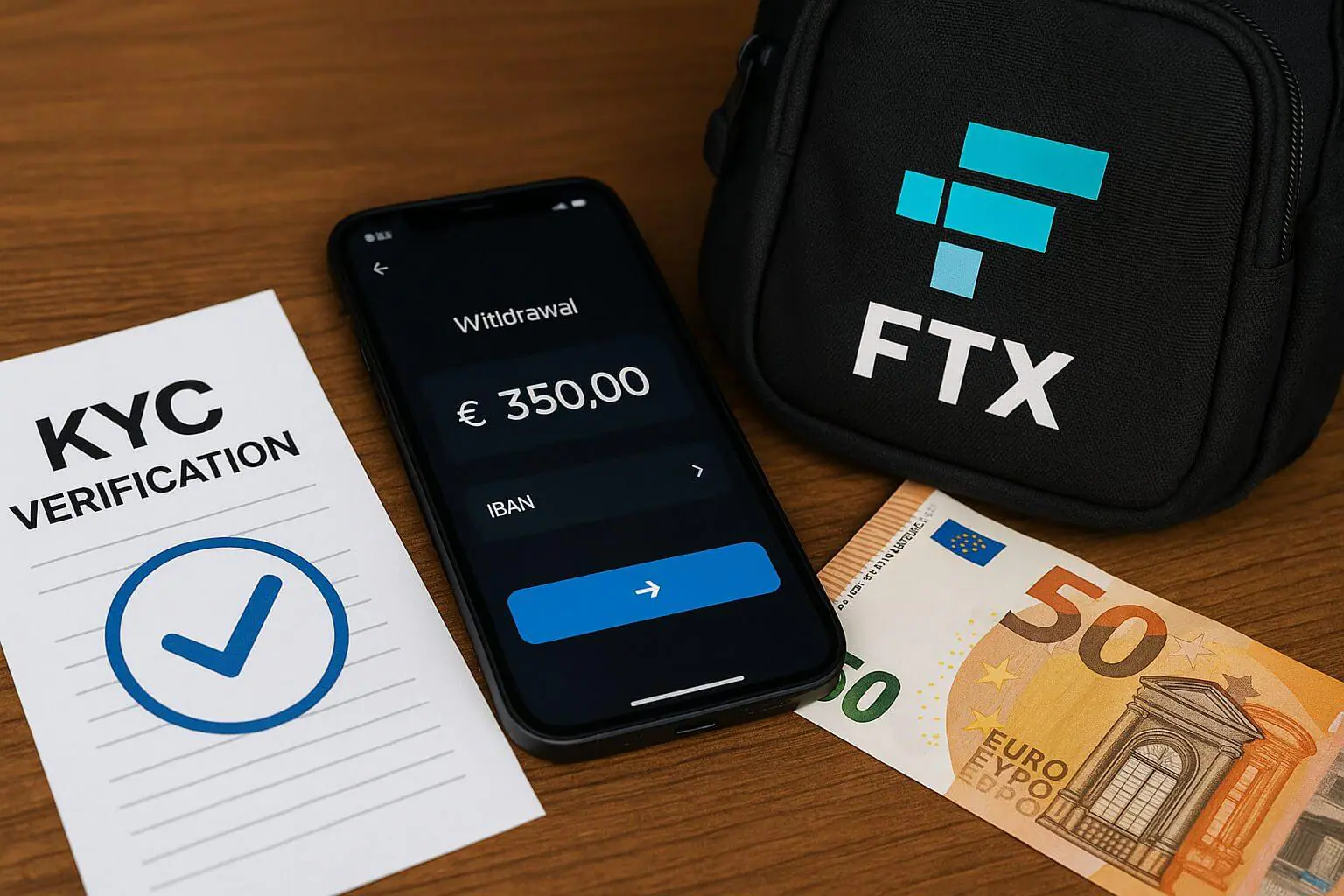
Photo: Blockchain Stories
A Defining Moment for European Crypto Markets
Early 2025 has delivered a significant structural development in the European cryptocurrency sector with Backpack Exchange completing the acquisition of FTX EU. This move signals a shift away from speculative expansion toward regulated market rebuilding. The transaction represents a deliberate effort to restore trust and operational continuity within Europe’s digital asset trading ecosystem.
Repositioning After Industry Disruption
The collapse of major global exchanges in previous years left a regulatory and confidence vacuum across European markets. Backpack Exchange has approached this acquisition with a corrective mindset rather than aggressive growth ambitions. By taking control of FTX EU’s licensed framework the company is attempting to stabilize an infrastructure that was previously damaged by governance failures elsewhere.
MiFID II Compliance as a Strategic Asset
One of the most valuable aspects of the acquisition is FTX EU’s alignment with MiFID II regulatory standards. This compliance enables Backpack Exchange to operate within a clearly defined financial services framework across the European Economic Area. Rather than building regulatory approval from scratch the company gains immediate access to a legally recognized operating structure.
A Shift Toward Institutional Credibility
This acquisition is not primarily aimed at retail expansion. Instead it reflects a strategic pivot toward institutional credibility. Regulatory clarity operational transparency and risk controls are now central to exchange competitiveness in Europe. Backpack Exchange appears to be positioning itself as a venue suitable for professional traders asset managers and regulated financial entities.
Rebuilding User Confidence Through Structure
European users have become increasingly cautious following past exchange failures. The integration of a regulated entity allows Backpack Exchange to emphasize governance segregation of funds and oversight. These structural assurances are likely to matter more to users than promotional incentives or high yield products.
Operational Integration and Technology Alignment
Beyond licensing the acquisition involves aligning two operational frameworks. Backpack Exchange brings its own technology stack custody design and security practices into the FTX EU structure. This integration process is expected to focus on minimizing systemic risk while improving execution reliability and platform resilience.
Regulation as a Competitive Differentiator
In the European market regulation is no longer viewed as a barrier to growth but as a competitive advantage. Exchanges that can demonstrate compliance readiness are better positioned to survive tightening oversight. Backpack Exchange’s decision reflects an understanding that future market leaders will be defined by regulatory endurance rather than speed alone.
Implications for the Broader Exchange Industry
This transaction may encourage similar consolidation across the crypto exchange sector. Smaller platforms lacking regulatory approval may seek acquisition rather than independent survival. The industry appears to be entering a phase where licenses infrastructure and governance carry more strategic value than brand recognition.
A Signal to Policymakers and Regulators
The acquisition also sends a message to regulators that private actors are willing to operate within established legal frameworks. This cooperative stance may encourage further dialogue between exchanges and policymakers. Such engagement could accelerate the development of clearer rules tailored to digital asset markets.
Setting the Tone for European Crypto in 2025
Backpack Exchange’s acquisition of FTX EU marks a turning point for how crypto businesses expand in Europe. The focus has shifted from aggressive market capture to sustainable regulated growth. If executed effectively this strategy could help define a more stable and credible European crypto trading environment.
Popular articles



Subscribe to unlock premium content
Imran Khan’s Economic Missteps Amid Political Chaos in Pakistan

The Philippines’ Digital Shift How Remittances and BPO Are Fueling Growth

Is the Era of Globalization Over or Just Evolving?
Imran Khan’s Economic Missteps Amid Political Chaos in Pakistan
The Philippines’ Digital Shift How Remittances and BPO Are Fueling Growth
Imran Khan’s Economic Missteps Amid Political Chaos in Pakistan