
American Bitcoin Expands Mining Fleet as Industry Competition Intensifies

American Bitcoin Expands Mining Fleet as Industry Competition Intensifies
By
Augusta Parker
Last updated:
March 3, 2026
First Published:
April 25, 2026

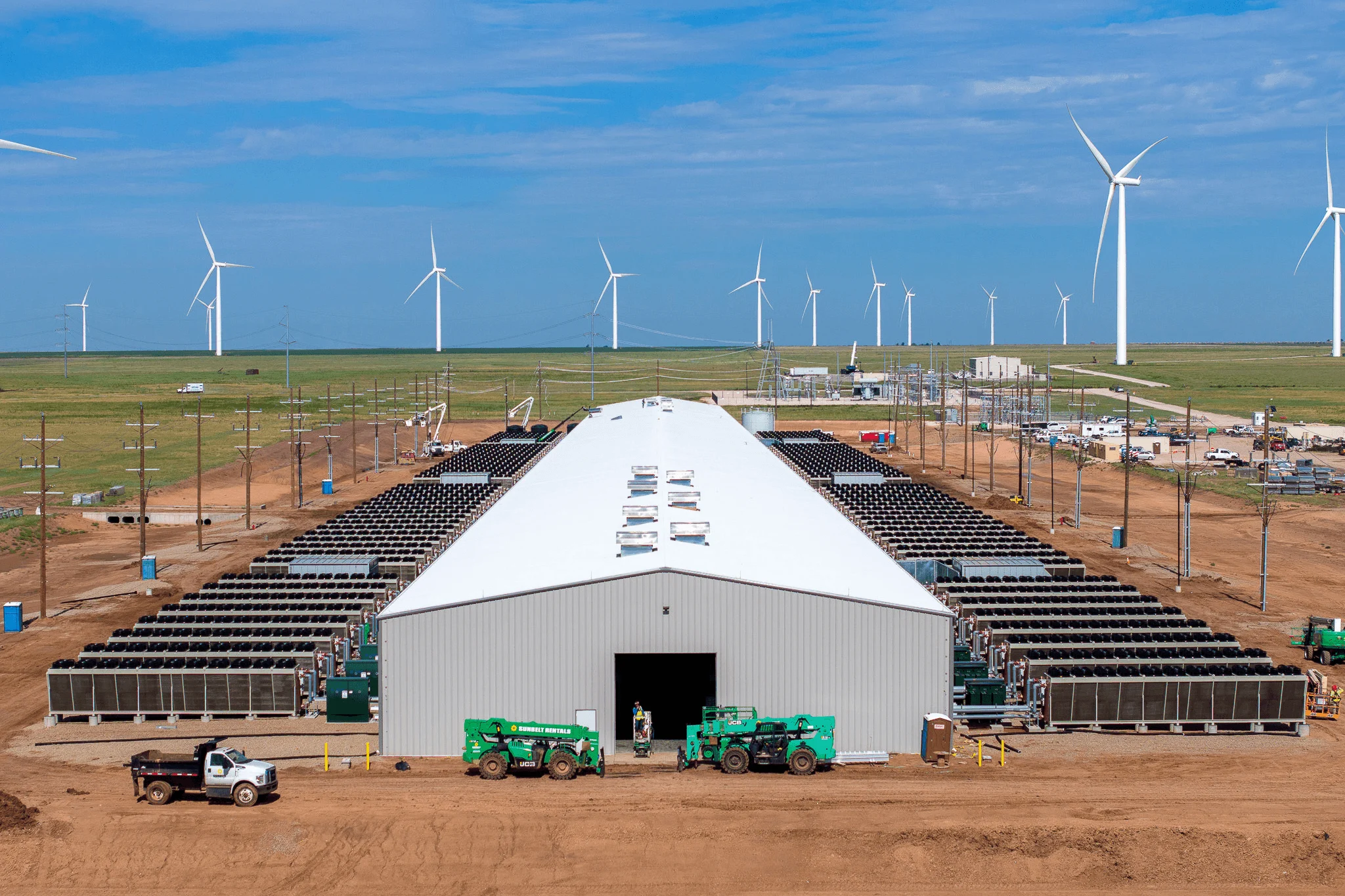
Photo: Bitcoin.com
A Bold Expansion in a Competitive Mining Landscape
American Bitcoin announced a significant expansion of its mining fleet, increasing operational capacity by approximately twelve percent. The move comes at a time when many mining firms are reassessing capital allocation strategies amid shifting energy costs, hardware efficiency improvements, and growing competition from artificial intelligence infrastructure providers. Rather than slowing down, American Bitcoin has chosen to scale aggressively, reinforcing its long term conviction in Bitcoin mining economics.
The Economics Behind Mining Expansion
Bitcoin mining is fundamentally a capital intensive business built on three pillars: hardware efficiency, energy cost optimization, and operational uptime. By acquiring thousands of next generation ASIC machines, American Bitcoin is effectively increasing its share of global hash rate. A larger hash rate allocation improves block reward probability, which directly impacts revenue generation. In a post halving environment where block subsidies are reduced, efficiency and scale become even more critical to maintaining profitability margins.
Strategic Timing in the Hardware Cycle
The decision to expand during a period of macroeconomic uncertainty reflects calculated risk management. Hardware pricing cycles often fluctuate based on Bitcoin price volatility and supply chain dynamics. By securing equipment during a transitional phase in the market, the company positions itself ahead of potential demand surges should Bitcoin prices strengthen further. Early procurement also mitigates future supply bottlenecks that could arise if industry expansion accelerates.
Competition From Artificial Intelligence Infrastructure
An emerging theme within the mining sector is competition for energy resources and data center capacity from artificial intelligence operators. As AI workloads expand globally, high performance computing facilities demand substantial electricity and cooling infrastructure. Some mining companies have pivoted partially toward AI hosting services to diversify revenue. American Bitcoin’s expansion signals a strategic choice to double down on core mining operations rather than dilute focus into adjacent computing markets.
Energy Strategy and Operational Efficiency
Energy procurement remains the single largest variable expense in mining operations. To sustain expanded capacity, companies must secure stable long term energy agreements at competitive rates. American Bitcoin’s growth implies confidence in its energy partnerships and grid integration strategies. Firms that successfully negotiate predictable electricity pricing structures can better weather Bitcoin price fluctuations without compromising operational continuity.
Hash Rate Growth and Network Security
Increased mining capacity not only benefits the company but also contributes to the overall security of the Bitcoin network. A higher aggregate hash rate strengthens resistance against potential attacks and enhances network integrity. From a macro perspective, fleet expansions by established operators signal continued confidence in Bitcoin’s long term viability. Mining infrastructure represents fixed investment that typically reflects multi year strategic planning rather than short term speculation.
Capital Structure and Financing Considerations
Expanding mining capacity requires substantial capital outlay. Companies typically finance growth through a combination of retained earnings, equity issuance, or debt instruments. Market participants closely monitor balance sheet leverage, particularly in volatile crypto cycles. Sustainable expansion depends on disciplined treasury management, especially when Bitcoin price swings can materially affect cash flow projections.
Market Reaction and Investor Sentiment
Investor response to mining expansions often hinges on broader Bitcoin price trends. When price momentum is favorable, fleet growth is interpreted as bullish conviction. During downturns, similar announcements may raise concerns about overextension. In this instance, the market appears to interpret the expansion as a proactive measure aligned with improving digital asset sentiment. Equity performance among publicly traded miners reflects cautious optimism.
Operational Risks and Volatility Exposure
Despite strategic advantages, mining remains exposed to multiple risk vectors. Network difficulty adjustments can reduce block reward frequency even as hash rate increases. Regulatory developments affecting energy consumption or environmental standards may also influence cost structures. Additionally, hardware obsolescence cycles require continuous reinvestment to maintain competitive efficiency ratios.
Long Term Positioning in a Consolidating Industry
The mining sector has gradually moved toward consolidation, with larger operators benefiting from economies of scale and improved financing access. By expanding capacity, American Bitcoin strengthens its competitive moat within an industry where scale directly correlates with resilience. Smaller operators with limited capital flexibility may struggle to match such expansions, particularly if price volatility returns.
Looking Forward
The expansion of American Bitcoin’s mining fleet underscores a broader industry theme: long term conviction remains intact among established players. While external variables such as geopolitics, energy markets, and regulatory frameworks introduce uncertainty, capital deployment into physical infrastructure signals confidence beyond short term price action. As Bitcoin continues to mature as a global asset, mining operations will remain foundational to its ecosystem, and strategic expansions like this one shape the network’s future trajectory.

Popular articles


Subscribe to unlock premium content
Imran Khan’s Economic Missteps Amid Political Chaos in Pakistan

The Philippines’ Digital Shift How Remittances and BPO Are Fueling Growth

Is the Era of Globalization Over or Just Evolving?
Imran Khan’s Economic Missteps Amid Political Chaos in Pakistan
The Philippines’ Digital Shift How Remittances and BPO Are Fueling Growth
Imran Khan’s Economic Missteps Amid Political Chaos in Pakistan